

Mingachevir State University (MSU) continues to organise scientific and educational activities aimed at developing students’ analytical thinking skills, promoting the evidence-based analysis of economic processes, and fostering knowledge and competencies aligned with contemporary economic challenges.
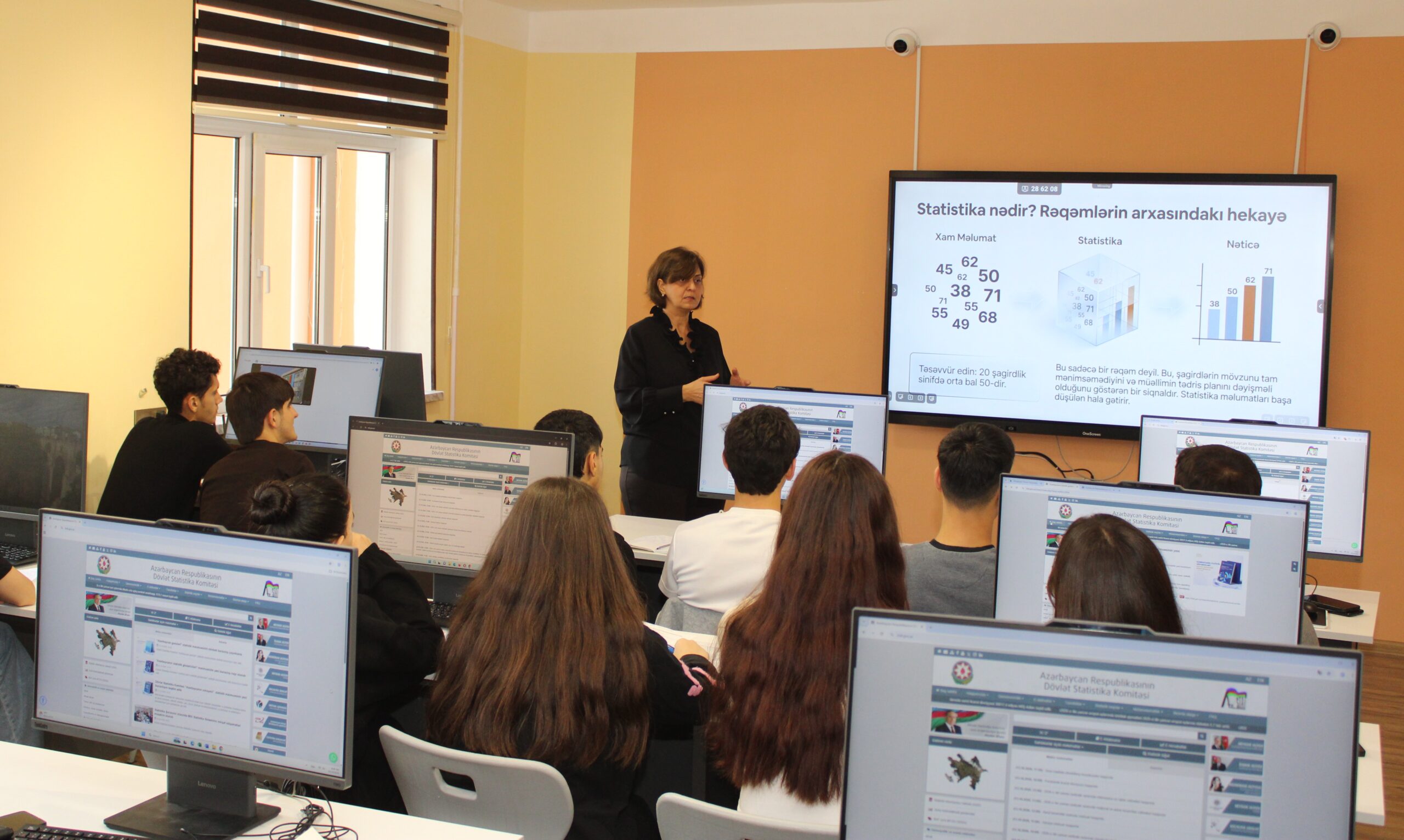
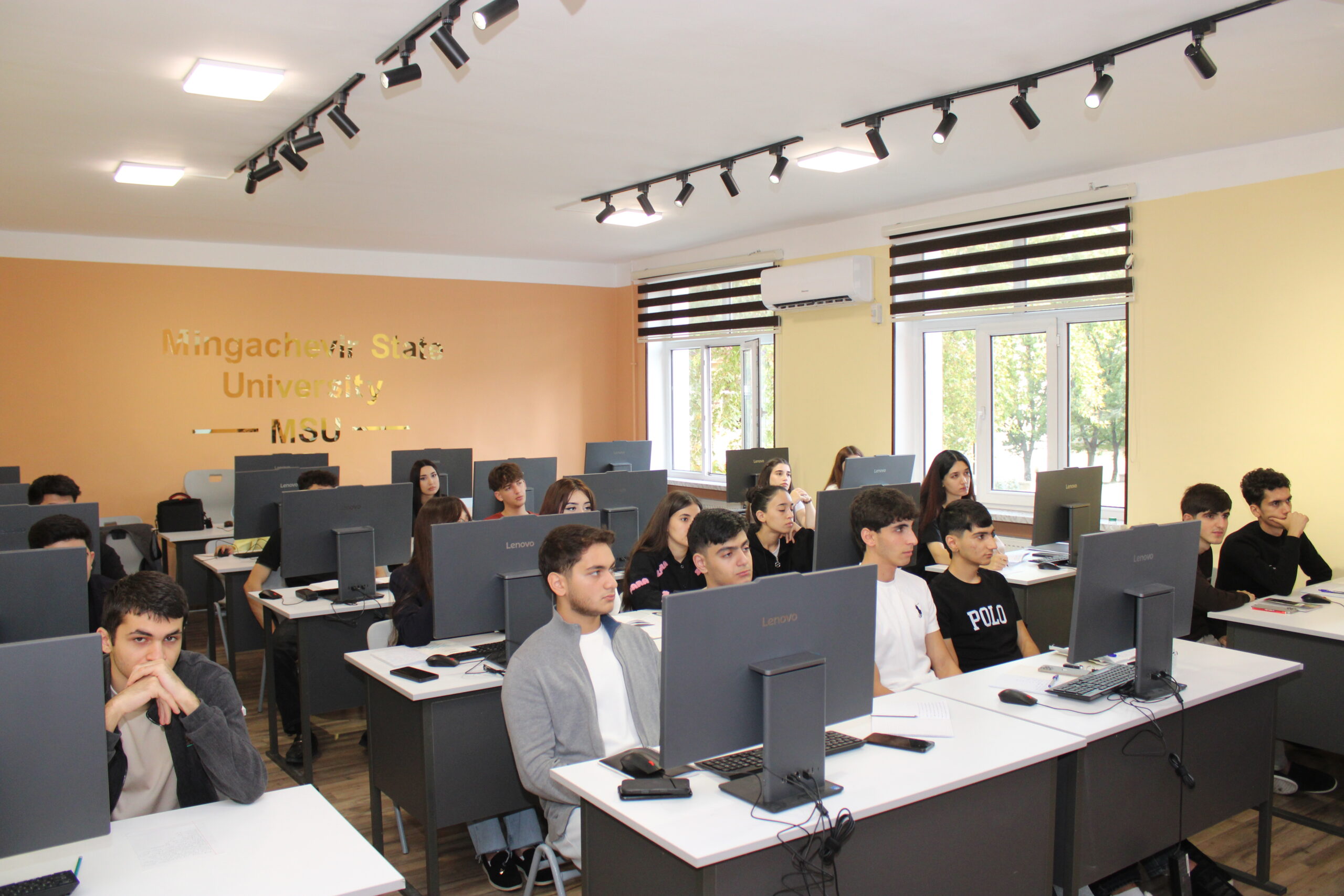
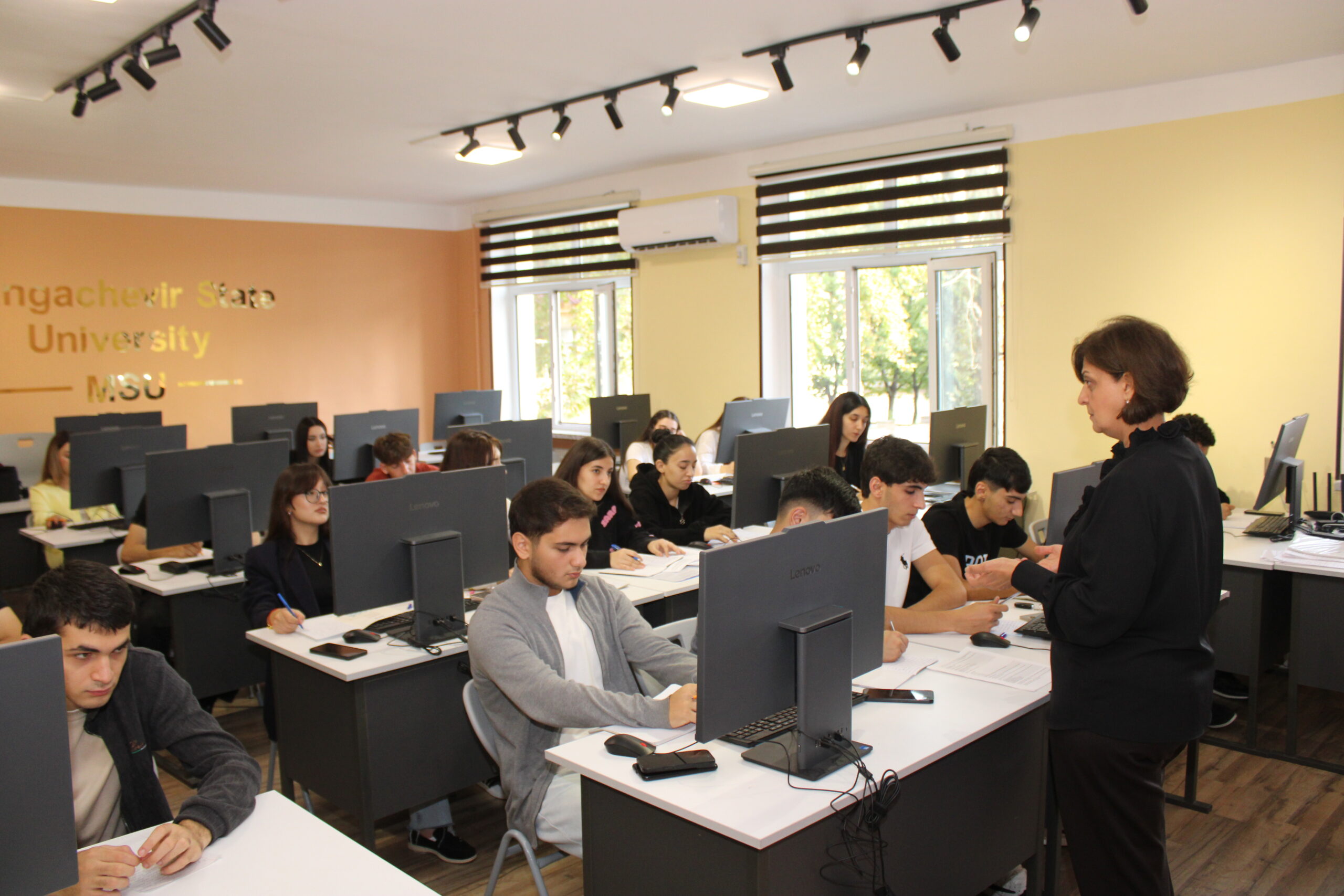
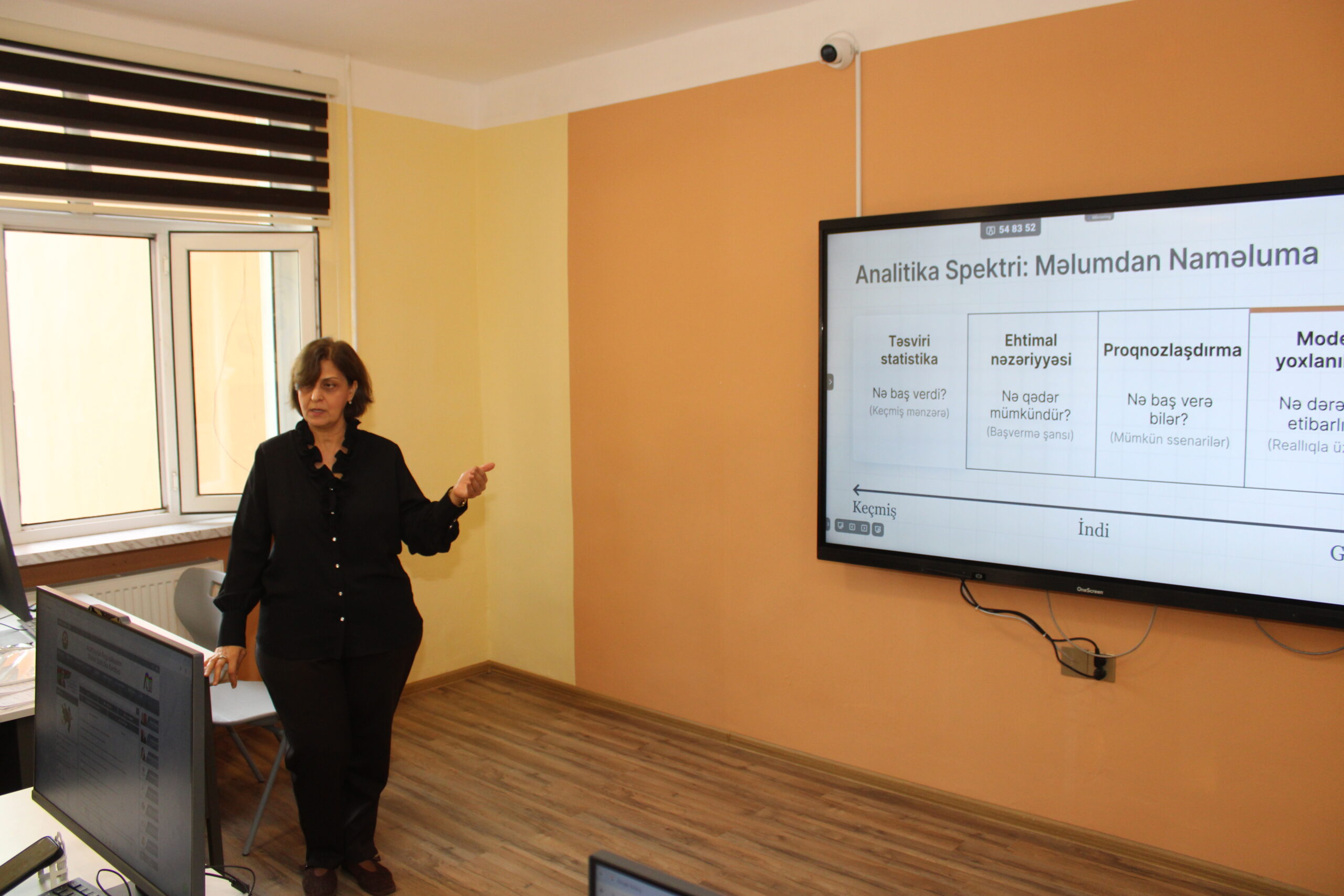
On October 16, 2026, a scientific seminar entitled “Statistics and Economic Forecasting: Is It Possible to See the Future Through Numbers?” was held, presented by Tarana Suleymanova, Senior Lecturer at MSU’s Department of Economics.
The main objective of the seminar was to expand students’ knowledge of statistical analysis, economic modelling, and forecasting, while developing their analytical approaches to evaluating economic indicators and making data-driven decisions.
During the presentation, attention was drawn to the role of statistical data in analysing economic processes, forecasting future economic trends, and making evidence-based decisions under conditions of uncertainty. The essence of economic forecasting, the potential of statistical observations and time-series analysis, and methods for identifying interrelationships among macroeconomic indicators were explained.
The seminar examined the application of trend analysis, correlation and regression models, econometric assessment, and scenario-based approaches in economic forecasting. Alongside identifying possible directions of future economic changes through the analysis of historical data, it was emphasised that statistical forecasts are based on probabilities, the quality of the data used, and the limitations of the selected models.
Discussions also focused on the factors affecting the accuracy of economic forecasts. It was noted that global economic crises, geopolitical changes, fluctuations in energy prices, climate risks, and unexpected external shocks can influence existing economic trends. In this regard, the assessment of different development scenarios and the early identification of risks were presented as important elements of economic decision-making.
Furthermore, attention was drawn to the expanding potential of artificial intelligence, machine learning, and big data technologies in economic forecasting. It was emphasised that these technologies enable more comprehensive analysis of economic data, the identification of complex relationships, and the improvement of decision-making processes. However, the resulting outcomes depend on data quality and the appropriate selection of models.
At the conclusion of the seminar, it was noted that statistical forecasting is not a means of determining the future with certainty, but rather an important analytical tool for assessing possible economic scenarios, taking uncertainty into account, identifying risks, and supporting more informed decision-making.
In the context of contemporary economic development, enhancing statistical literacy, digital skills, and the ability to conduct data-driven analysis is of particular importance. Accurate assessment of economic processes contributes not only to the quality of business and financial decisions but also to the efficient use of resources, stronger economic resilience, and the development of long-term strategies. In this regard, scientific seminars organised by higher education institutions create opportunities for students to become familiar with modern analytical methods and develop the knowledge and skills they can apply in their future professional careers.
Mingachevir State University continues its efforts to promote scientific knowledge, integrate innovative approaches into the educational process, and develop students’ competencies in line with the evolving demands of the labour market. Such scientific and educational initiatives contribute to strengthening a research-oriented learning environment, fostering a culture of economic analysis, and reinforcing the knowledge base for sustainable development.