Buildings and Campus Areas
University Infrastructure and Academic Environment
Mingachevir State University carries out its educational, research, and administrative activities across a modern campus infrastructure located in different areas of the city of Mingachevir. The university comprises 4 faculties, 11 departments, 4 academic buildings, 1 new campus under construction, 2 research institutes, 6 research centers, 1 library, 3 student organizations, 1 assembly hall, and 1 Sports and Health Complex.
Educational activities are conducted in three academic buildings. The campus includes classrooms, laboratories, administrative offices, and other facilities that support the teaching and learning process.
As part of its infrastructure development strategy, the university is continuing the construction of a new campus complex. Upon completion, the new campus will expand the university’s educational and research capacity and contribute to the development of a modern and innovative academic environment.
To support research and innovation, the university operates the Institute of Artificial Intelligence and Digital Technologies and the Institute of Sustainable Energy and Regional Development. In addition, the Economic Research Center, Central Aran Scientific Research Center, Incubation and Acceleration Center, Tourism and Environmental Research Center, Inclusive Education Center, and Veterans Social Services Center contribute to the advancement of the university’s research and innovation activities.
To enhance students’ academic and social engagement, the university hosts the Student Youth Organization, Student Scientific Society, and Student Trade Union Committee. These organizations support students’ participation in scientific, social, cultural, and volunteer activities.
To promote physical well-being and a healthy lifestyle, the university operates a Sports and Health Complex. The complex provides facilities for sports training, recreational activities, and various events, contributing to a healthy and active university environment.
The university’s assembly hall is used for conferences, seminars, scientific events, and official ceremonies. Together, the university’s existing and future infrastructure creates a supportive environment for education, research, innovation, and student development.
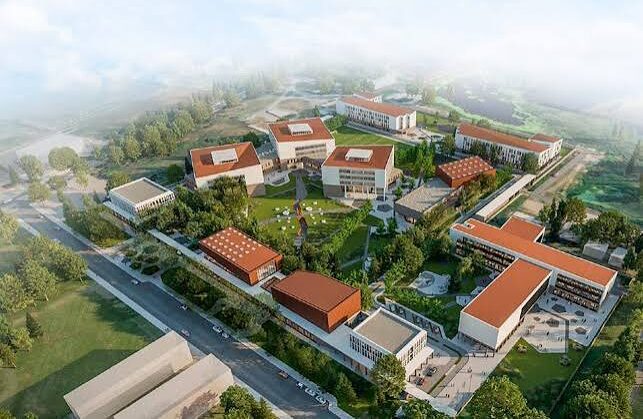
New campus
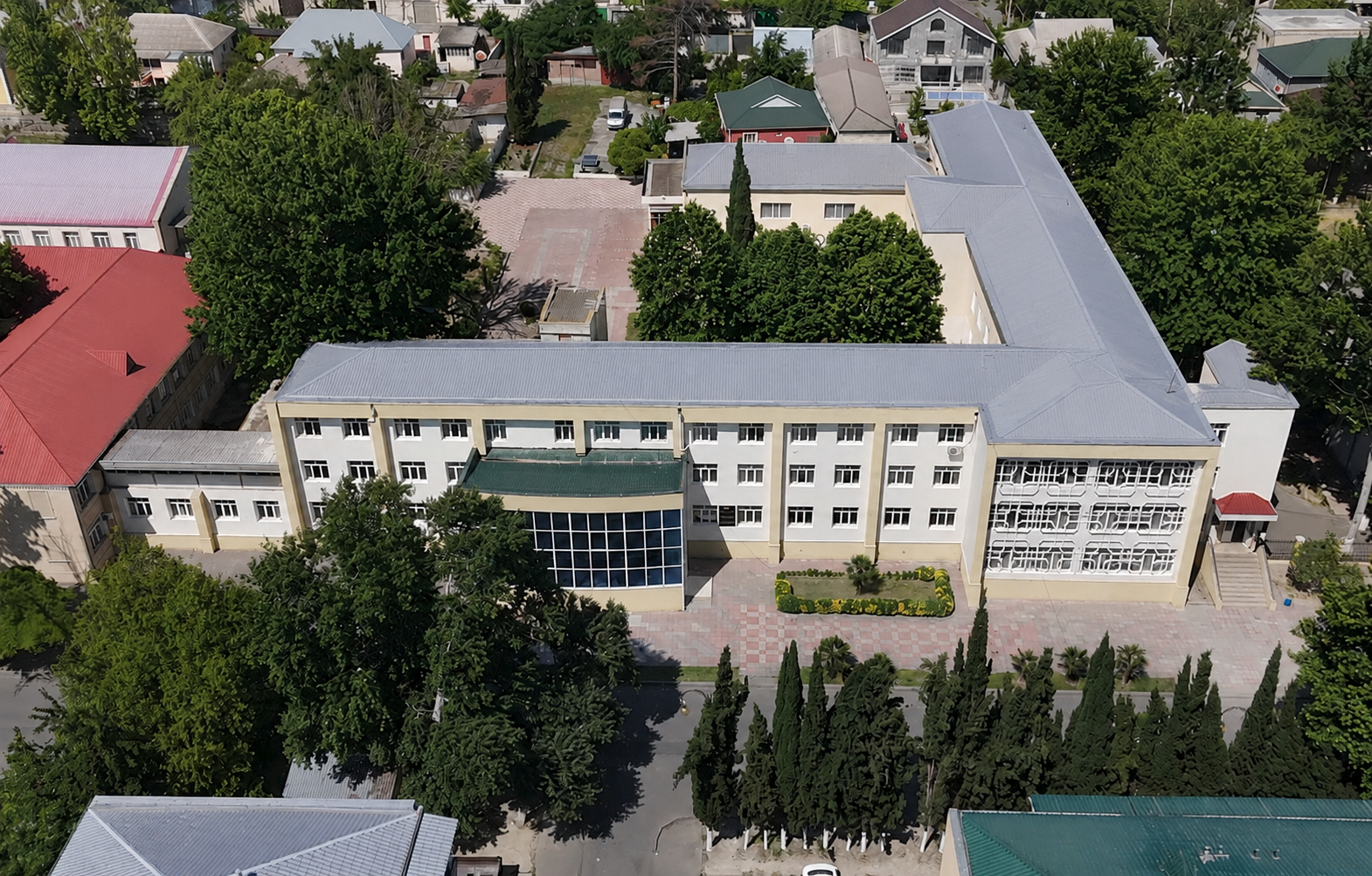
Main building

Heydar Aliyev Museum
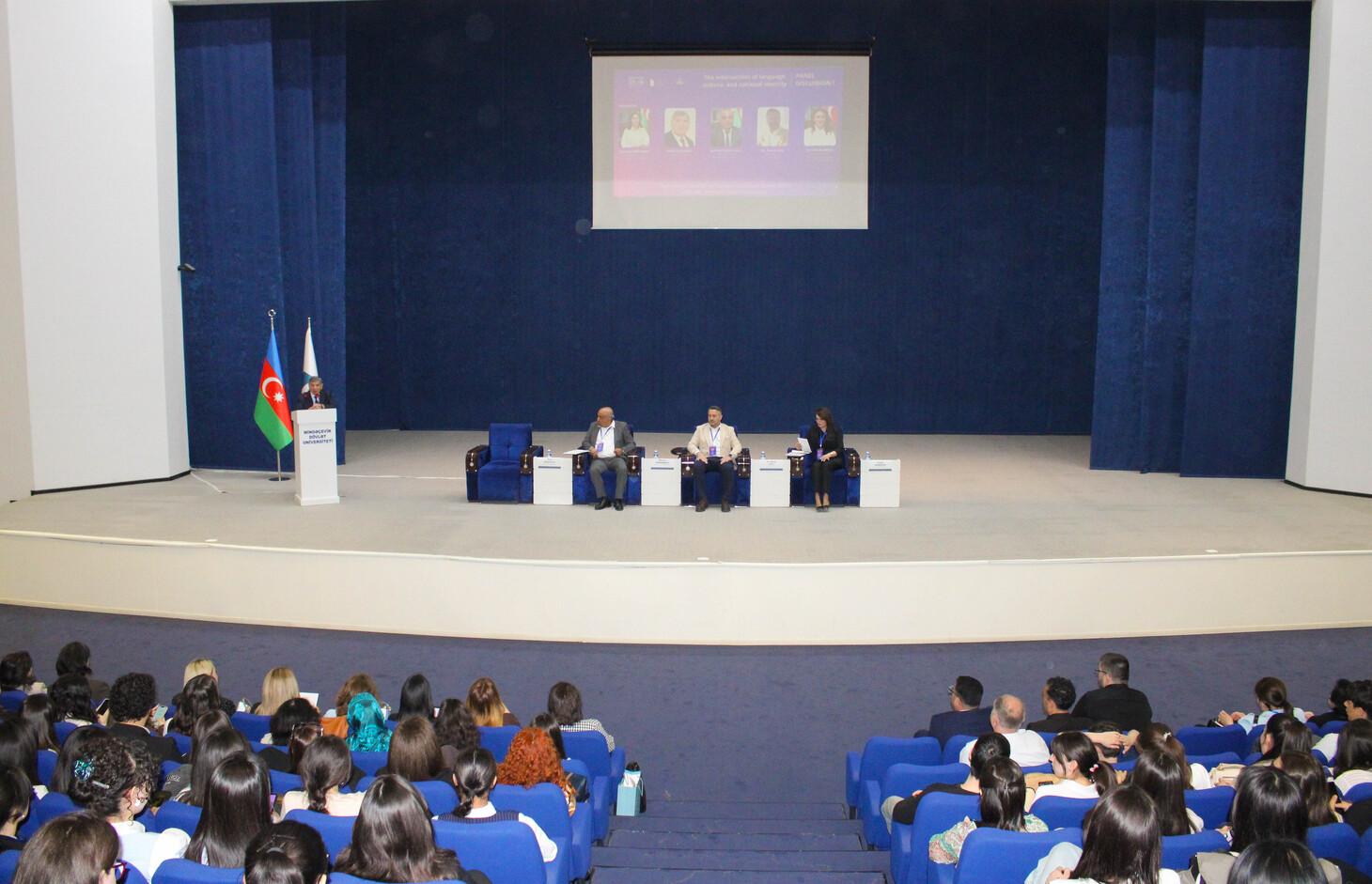
Assembly hall
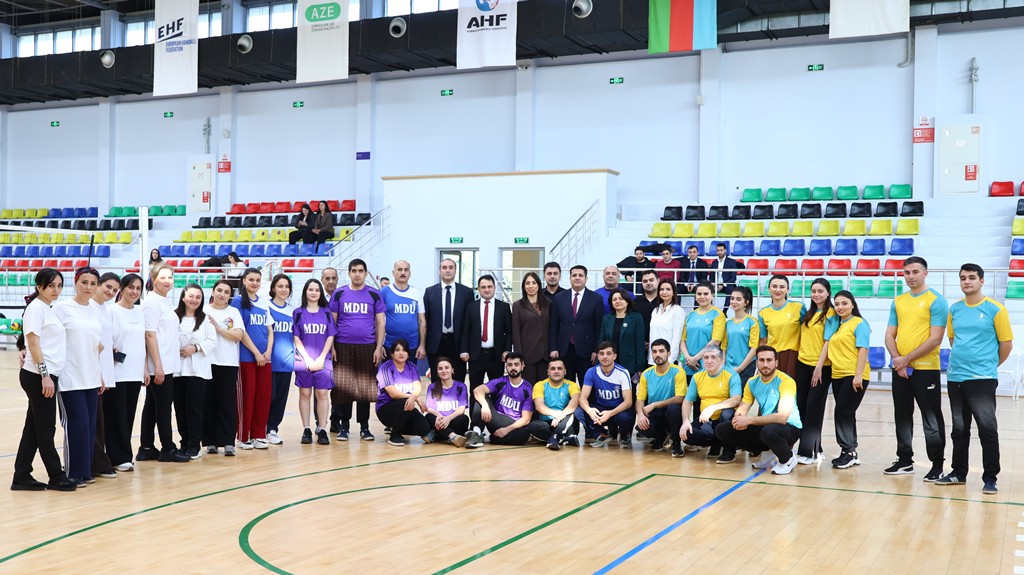
Sports and Health Complex
Location of Campuses
Mingachevir State University carries out its educational, research, and administrative activities in three academic buildings located in different areas of the city of Mingachevir. The university is currently constructing a new campus, which is expected to further expand its educational, research, social, and recreational facilities in the future.
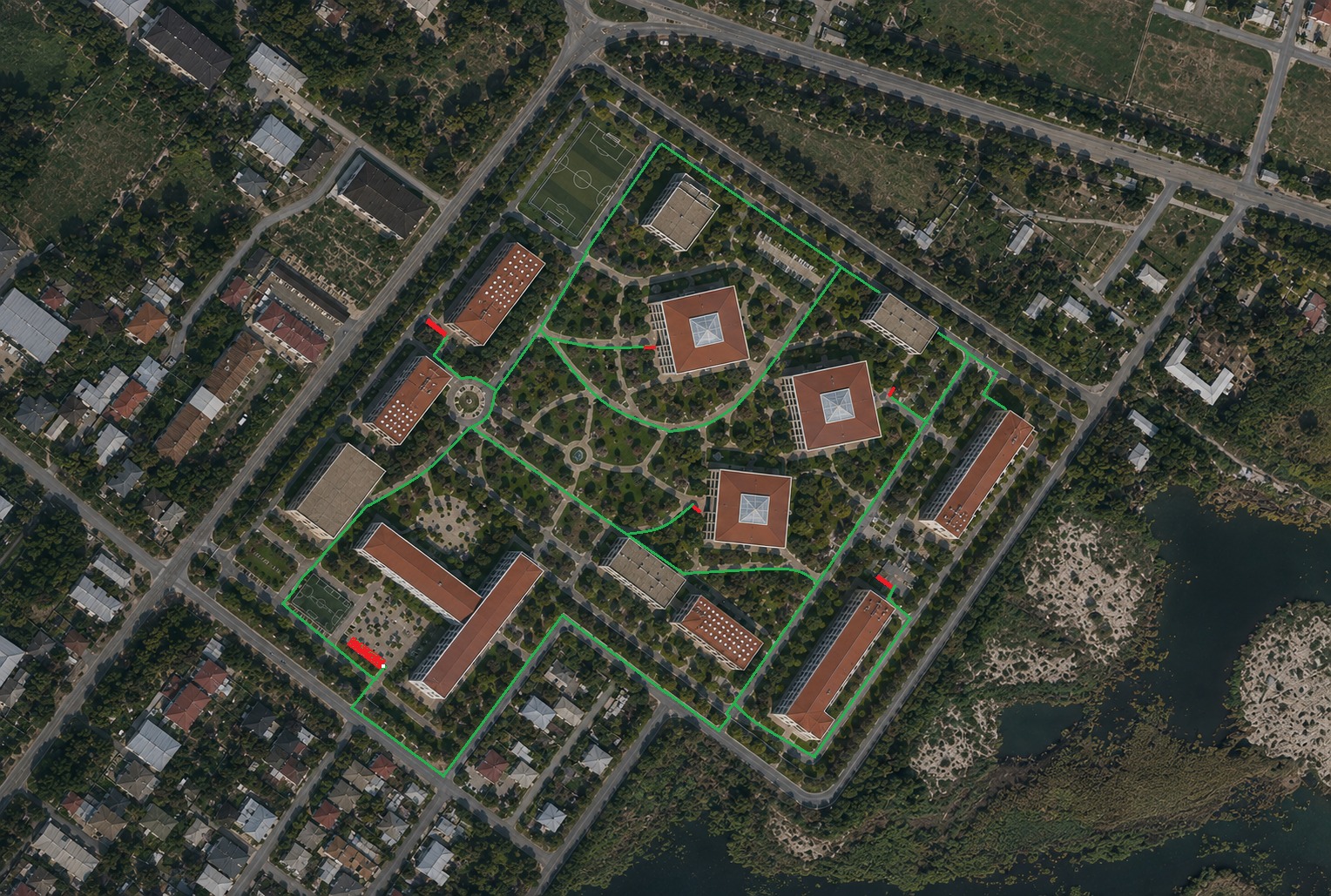
The new campus of Mingachevir State University
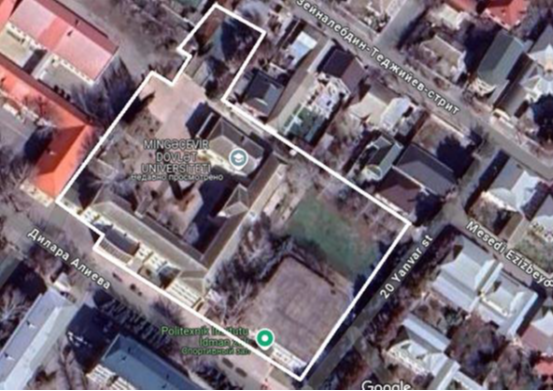
The main campus of Mingachevir State University
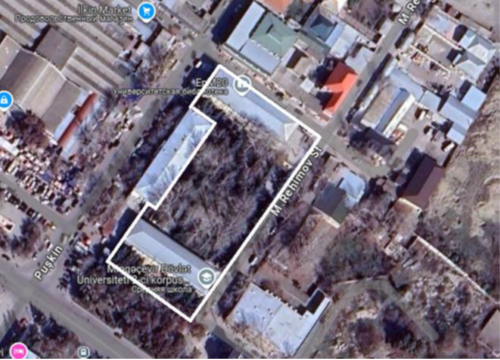
The academic campus of Mingachevir State University
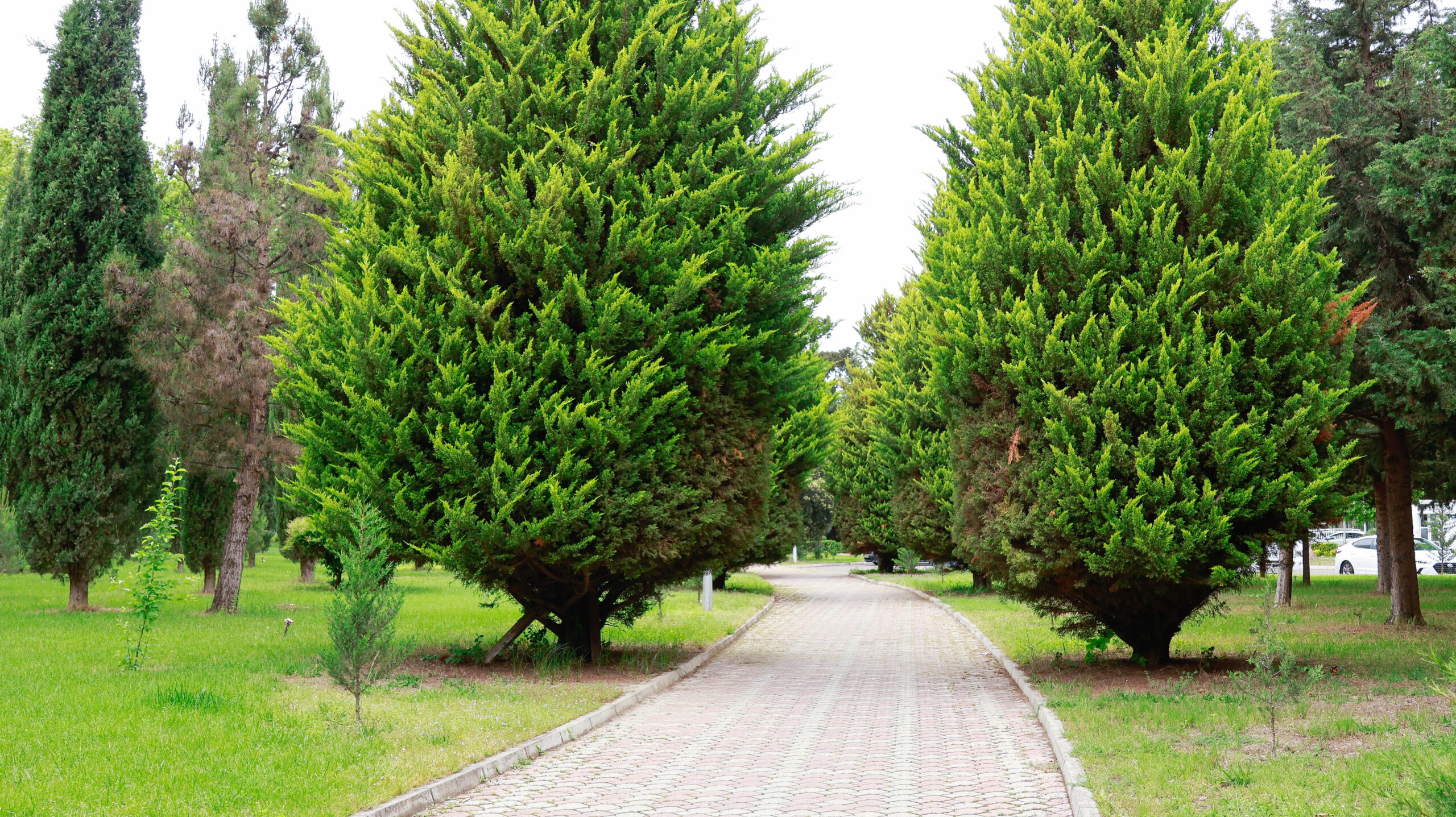
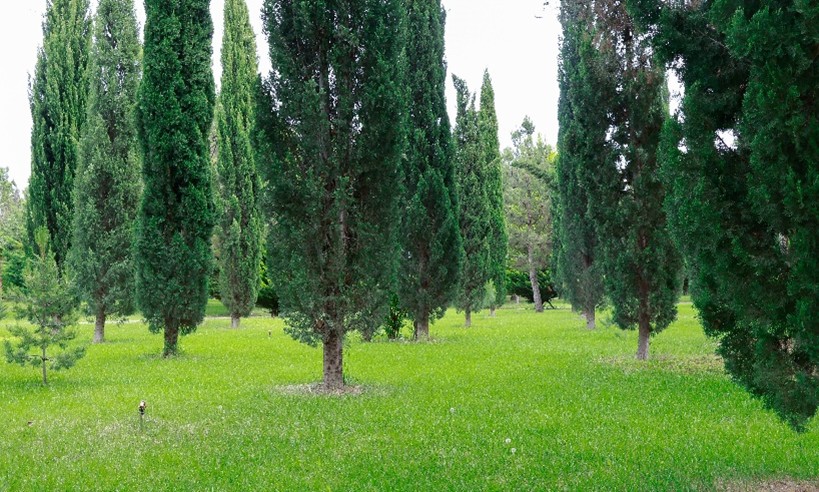
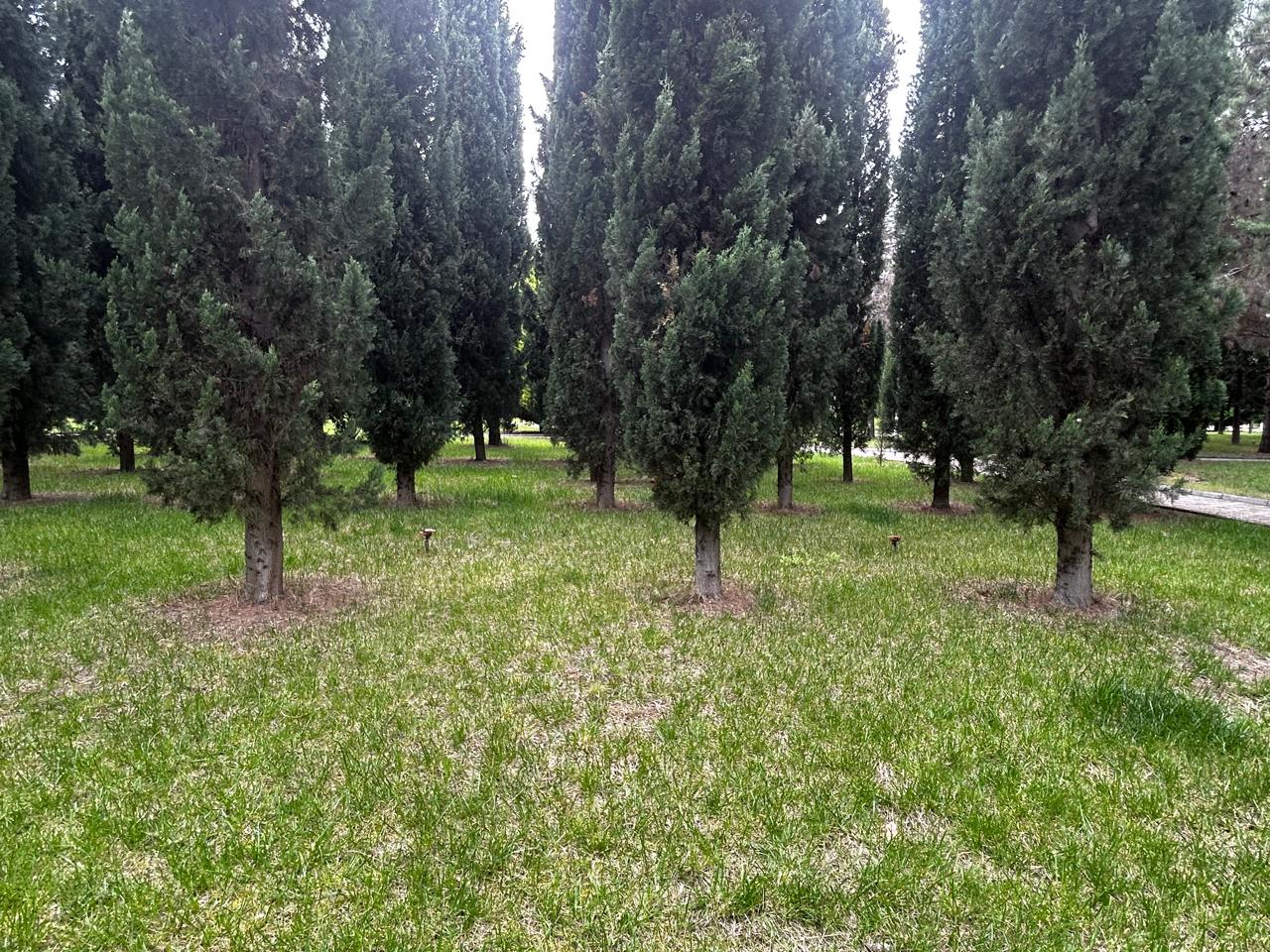
Forest-Covered Area on Campus
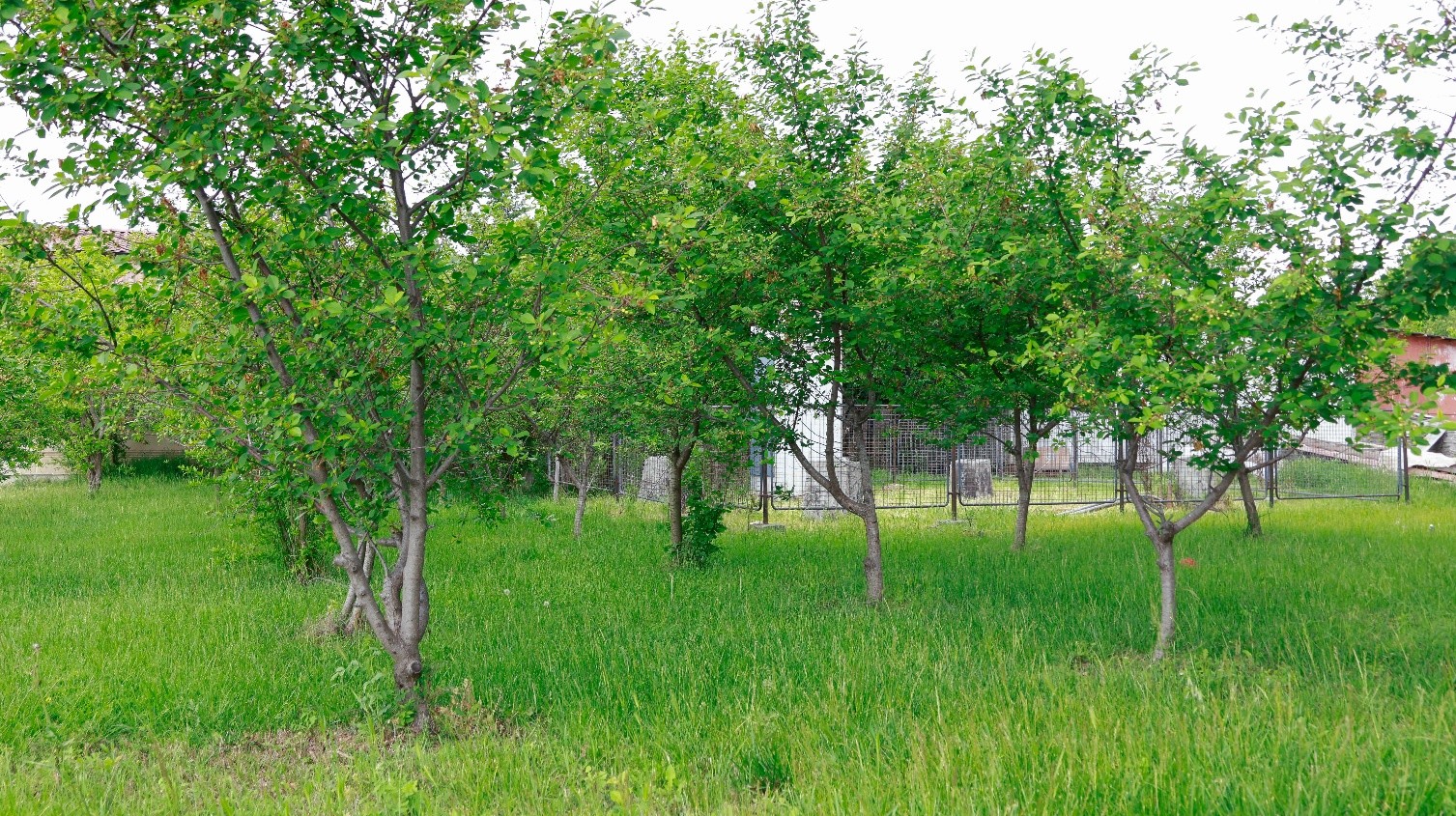
Mingachevir State University’s campus includes extensive tree-covered and forest-like green areas. These spaces play an important role in supporting the campus’s environmental sustainability, contributing to biodiversity conservation, improved air quality, and a healthier, more comfortable environment and promotes the development of a sustainable green campus environment.



Area Covered by Planted Vegetation on Campus
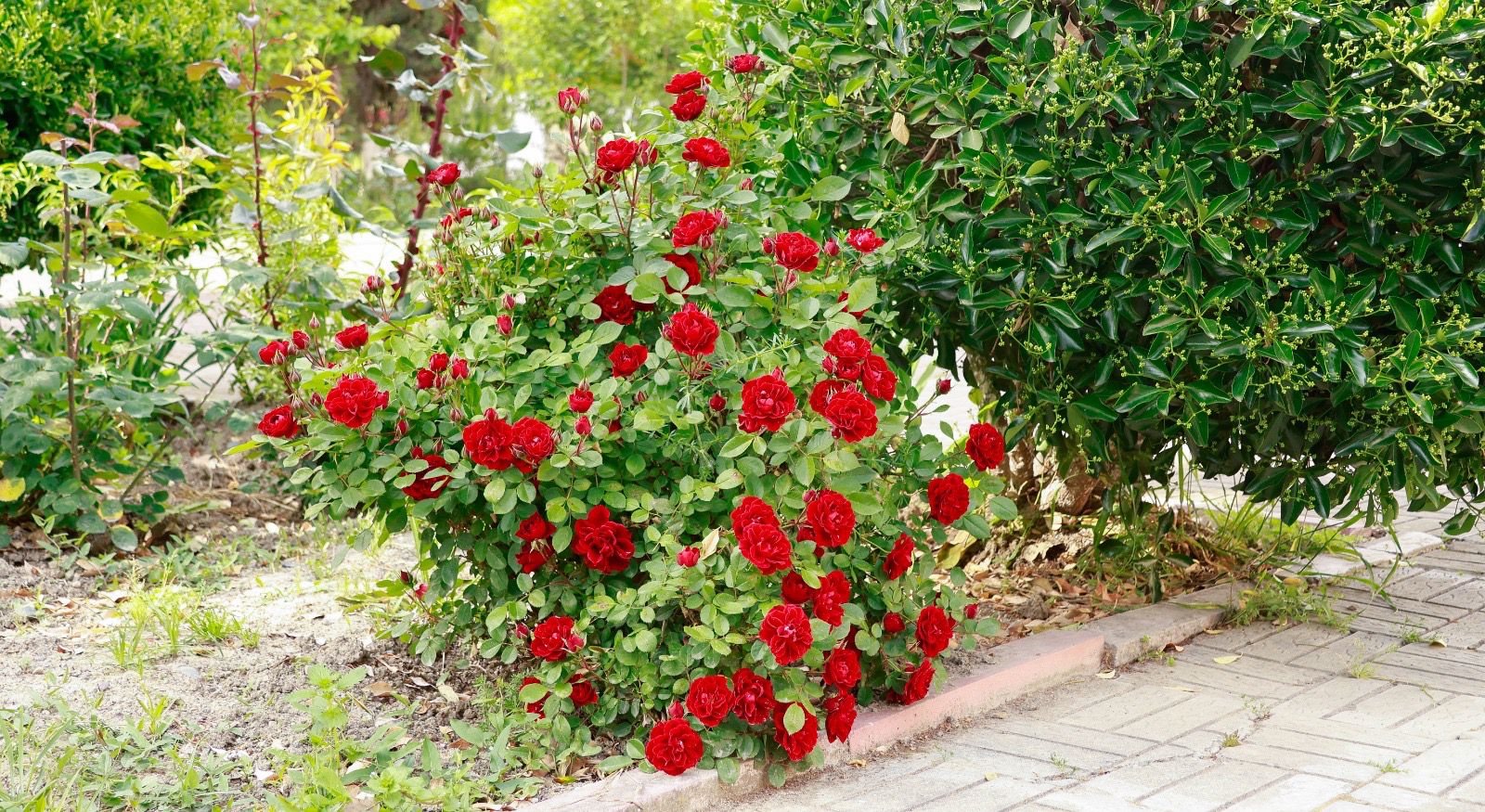
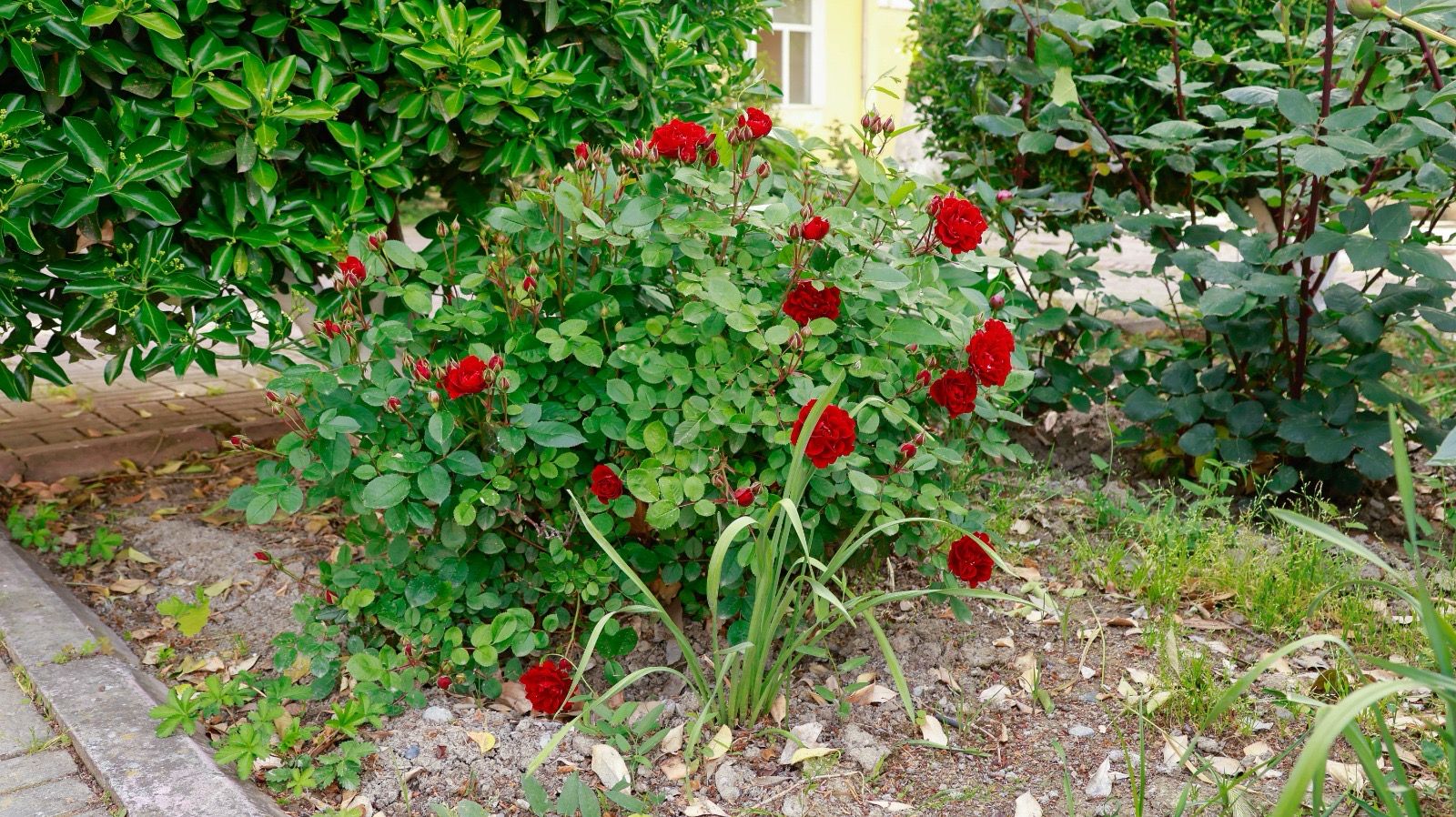
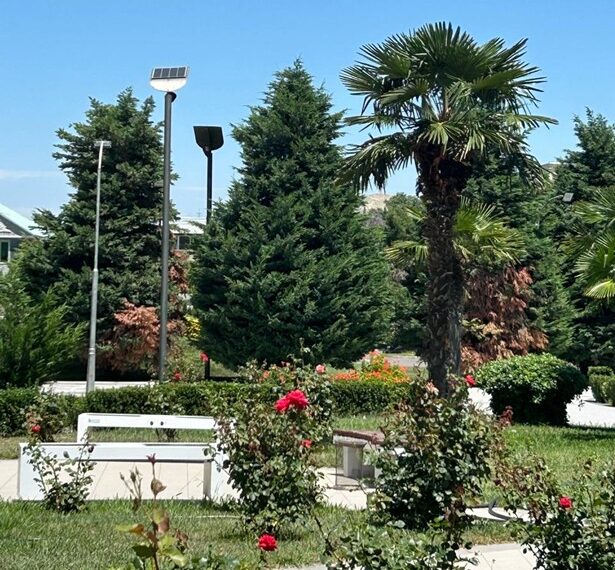
Mingachevir State University’s campus features landscaped green areas enriched with various types of trees, shrubs, lawns, flowers, and other ornamental plants. These green spaces contribute to strengthening the campus’s environmental sustainability, supporting biodiversity, and improving environmental quality. At the same time, they help create a healthier, more comfortable, and aesthetically attractive learning environment for students and staff.


Water Absorption Areas on Campus Other Than Forest and Planted Vegetation
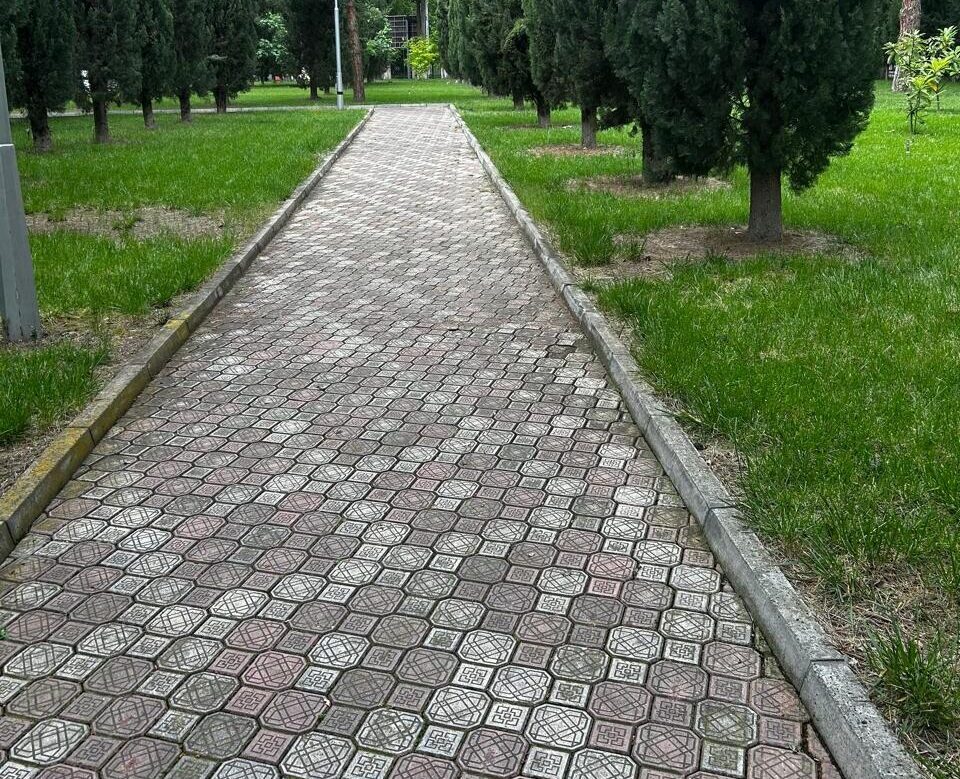
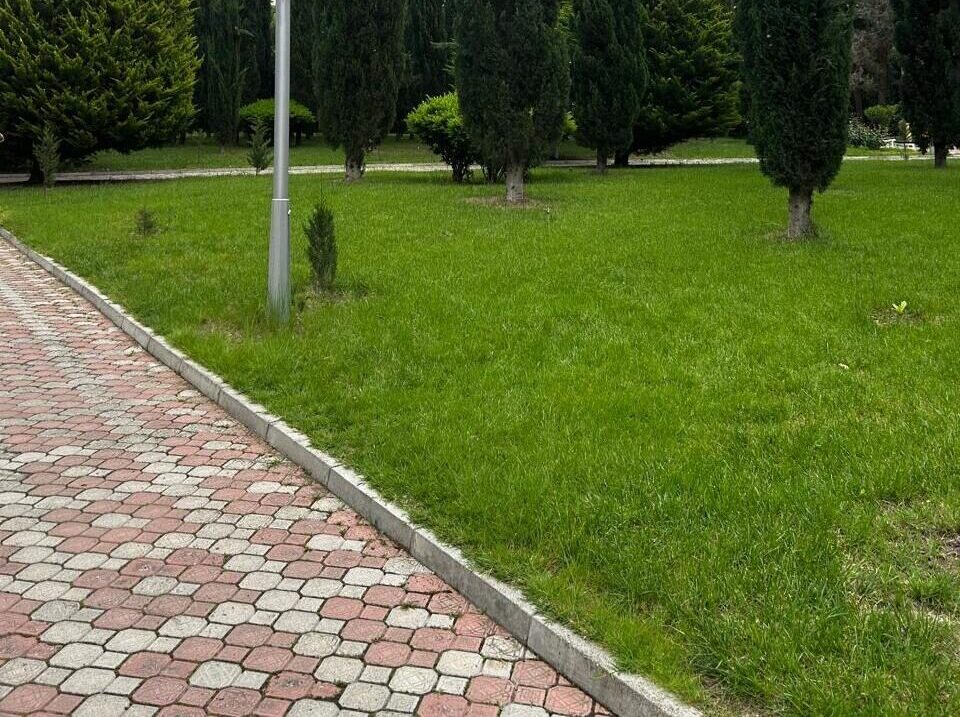
In addition to forested and landscaped areas, the campus of Mingachevir State University includes various open and permeable surfaces that allow water to naturally infiltrate the soil. These areas facilitate the absorption of rainwater, helping to reduce surface runoff, recharge groundwater resources, and maintain the natural water cycle. They play an important role in supporting sustainable water management and maintaining ecological balance on campus.



Facilities for People with Disabilities, Special Needs, and Mother-Child Care
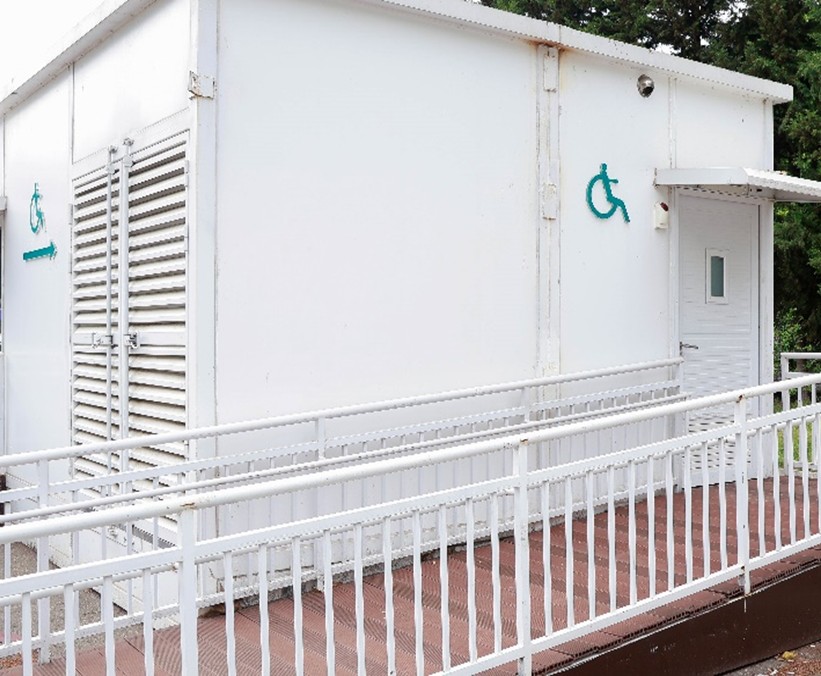
Mingachevir State University places special emphasis on creating an inclusive and accessible campus environment. The university’s Inclusive Education Center supports the equal participation of individuals with special needs in education and campus life. The campus is equipped with accessible sanitary facilities and a Mother–Child (Lactation) Room.
The new campus currently under construction is planned to include elevators, ramps, and tactile guiding pathways. These initiatives aim to further strengthen accessibility, social inclusion, and equal opportunities across the university.



Security and Safety Measures
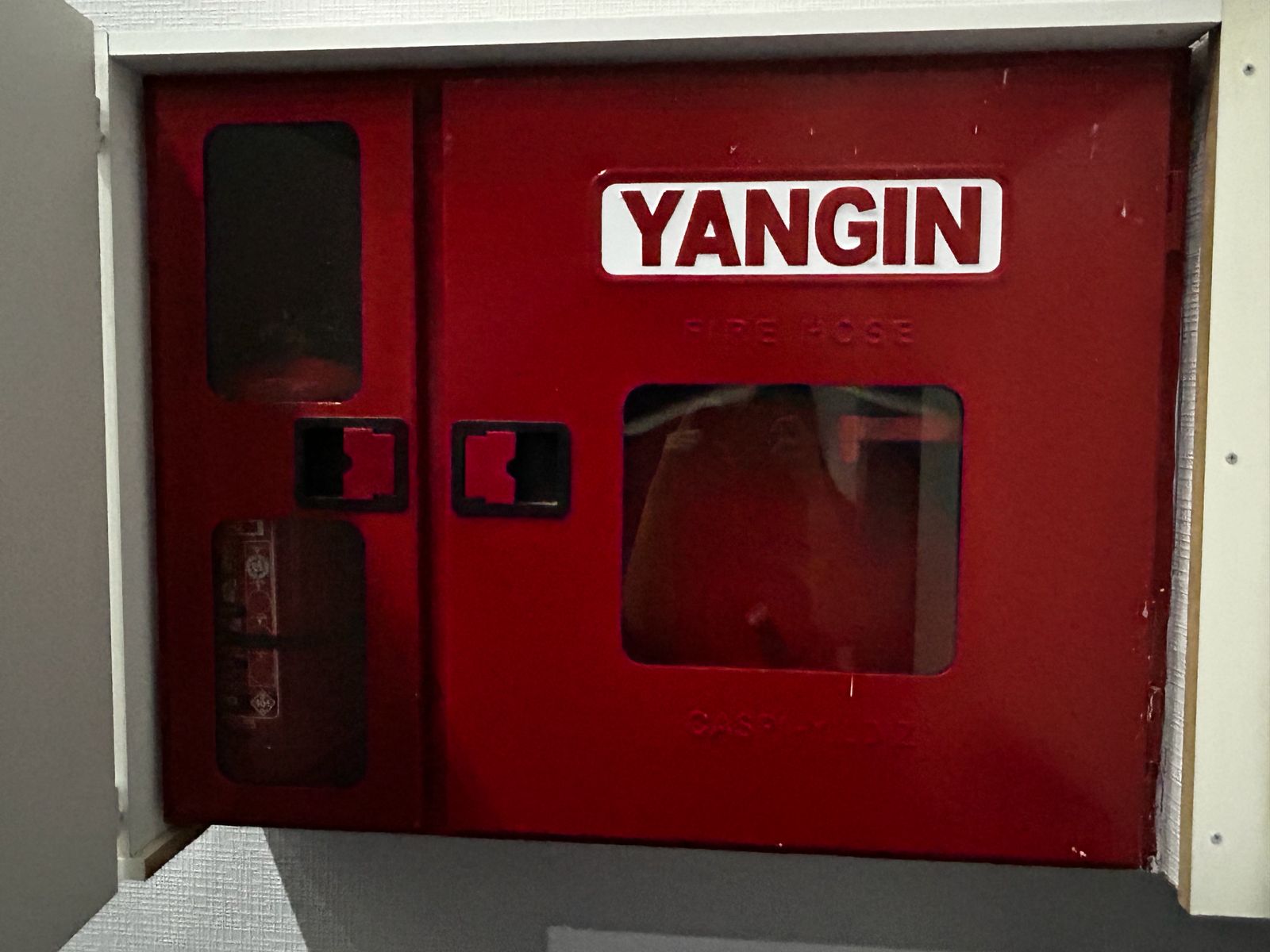
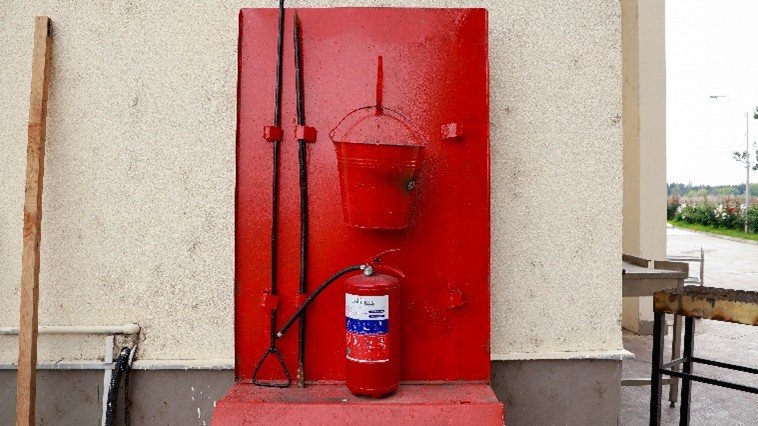
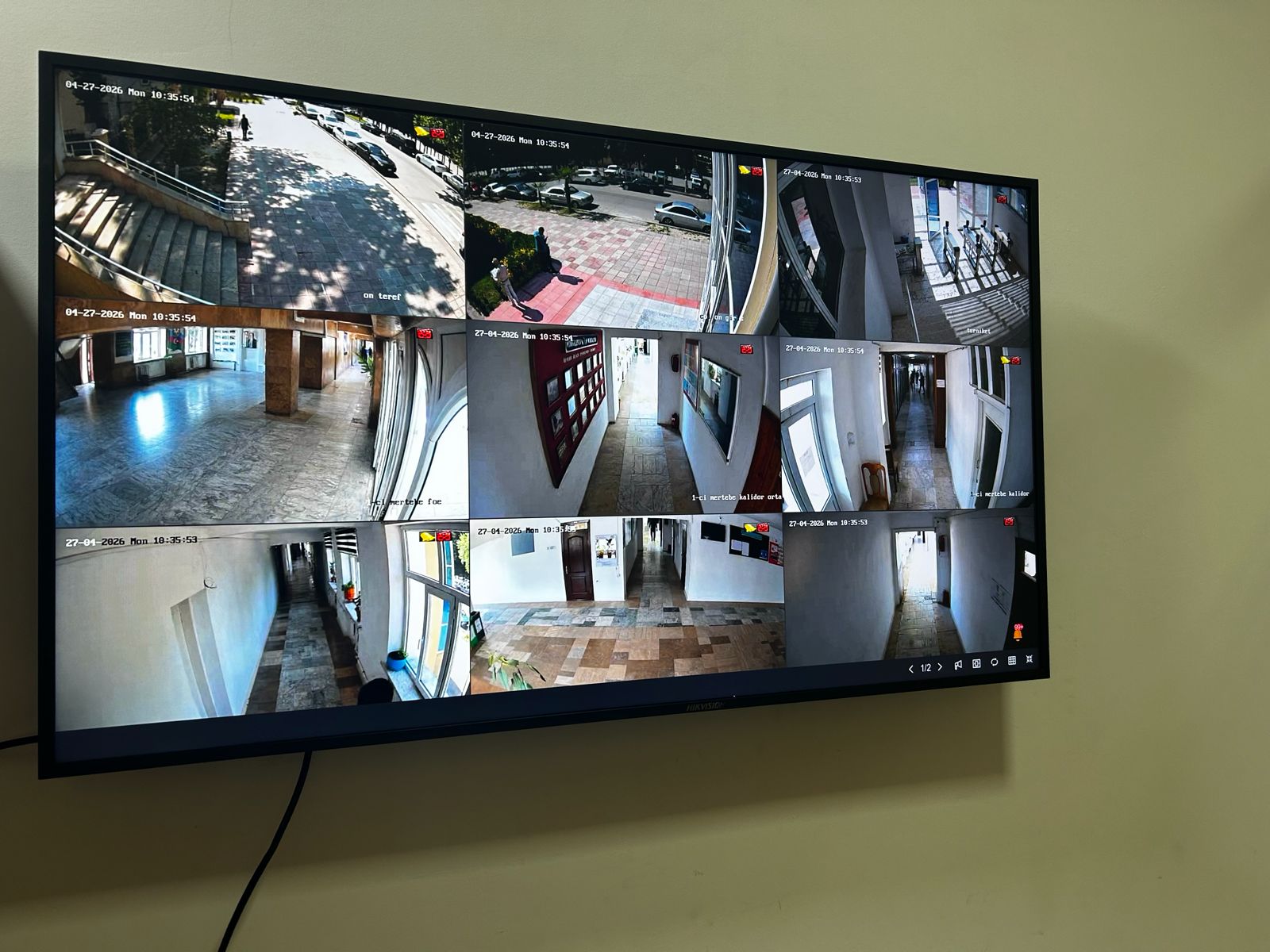
Mingachevir State University implements a range of safety and security measures to ensure the well-being of students, staff, and visitors. Security personnel are on duty, access to campus facilities is monitored, and surveillance systems are in operation. The university also maintains fire safety procedures and emergency preparedness measures. In the new campus currently under construction, modern security and monitoring systems are planned. These measures contribute to maintaining a safe, secure, and well-organized learning environment.










Health Infrastructure Facilities for Students, Academic and Administrative Staff
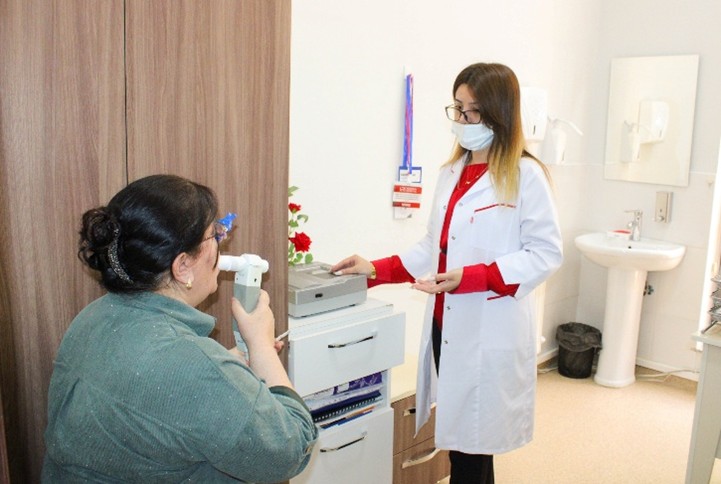
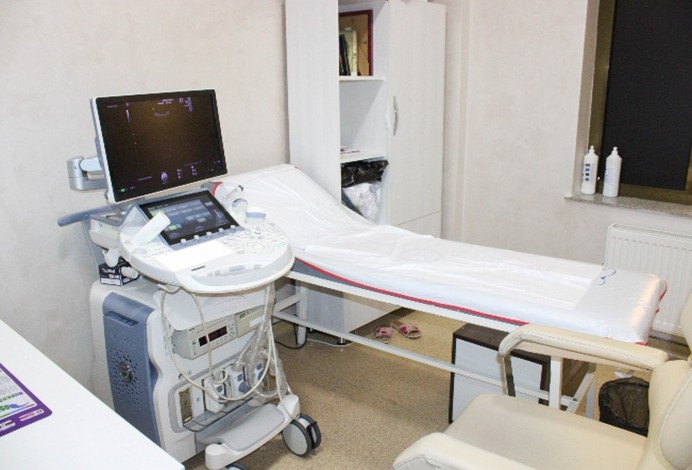
Mingachevir State University places great importance on protecting the health and well-being of its students and staff. The university cooperates with regional healthcare institutions to organize regular medical examinations, health screenings, and preventive healthcare activities. Students and staff have access to healthcare services available in the city and are encouraged to participate in awareness programs promoting healthy lifestyles. These initiatives contribute to creating a healthy and supportive educational environment.




Conservation of Genetic Resources for Plants, Animals, Wildlife, Food and Agriculture on Campus
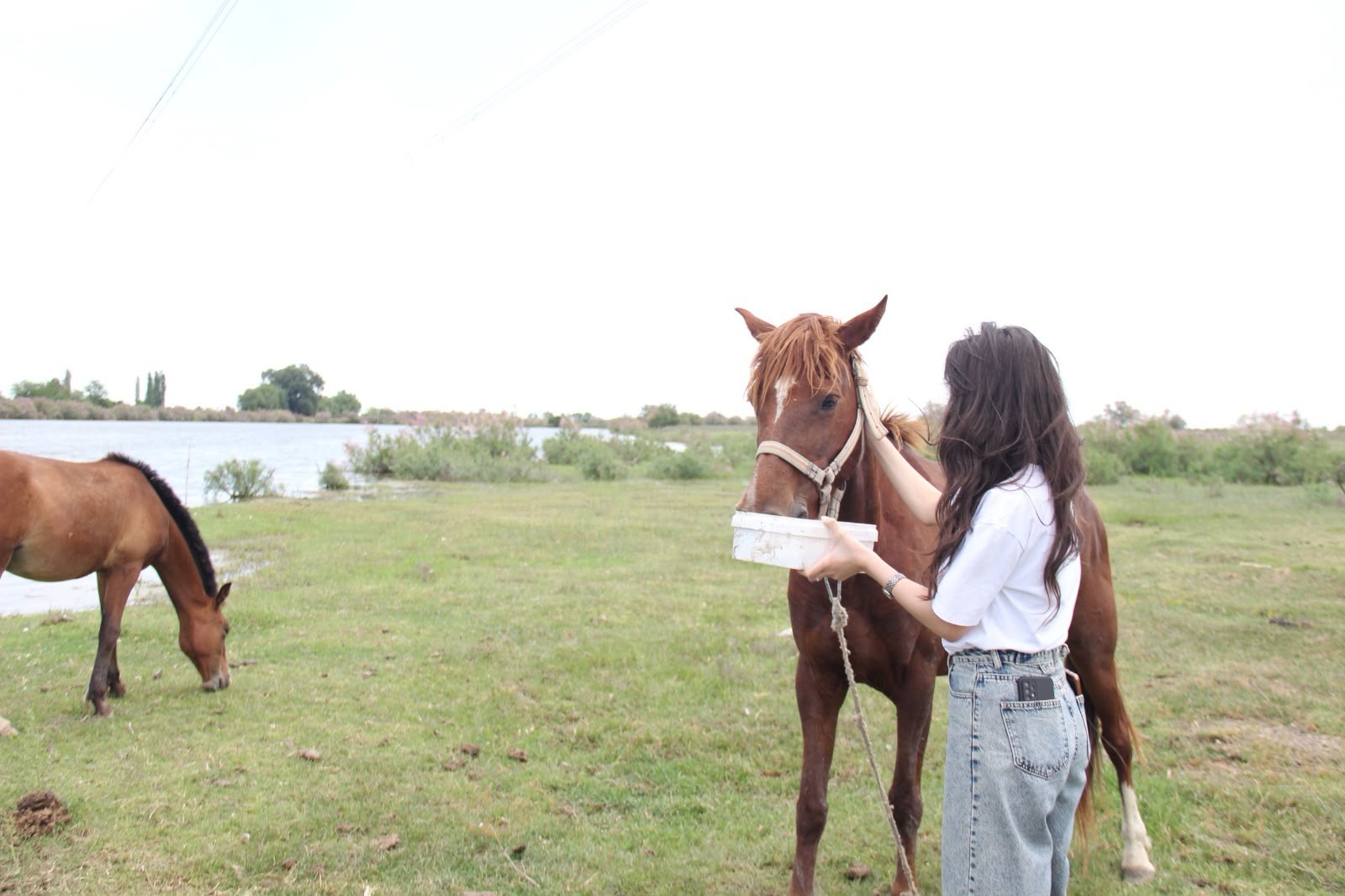
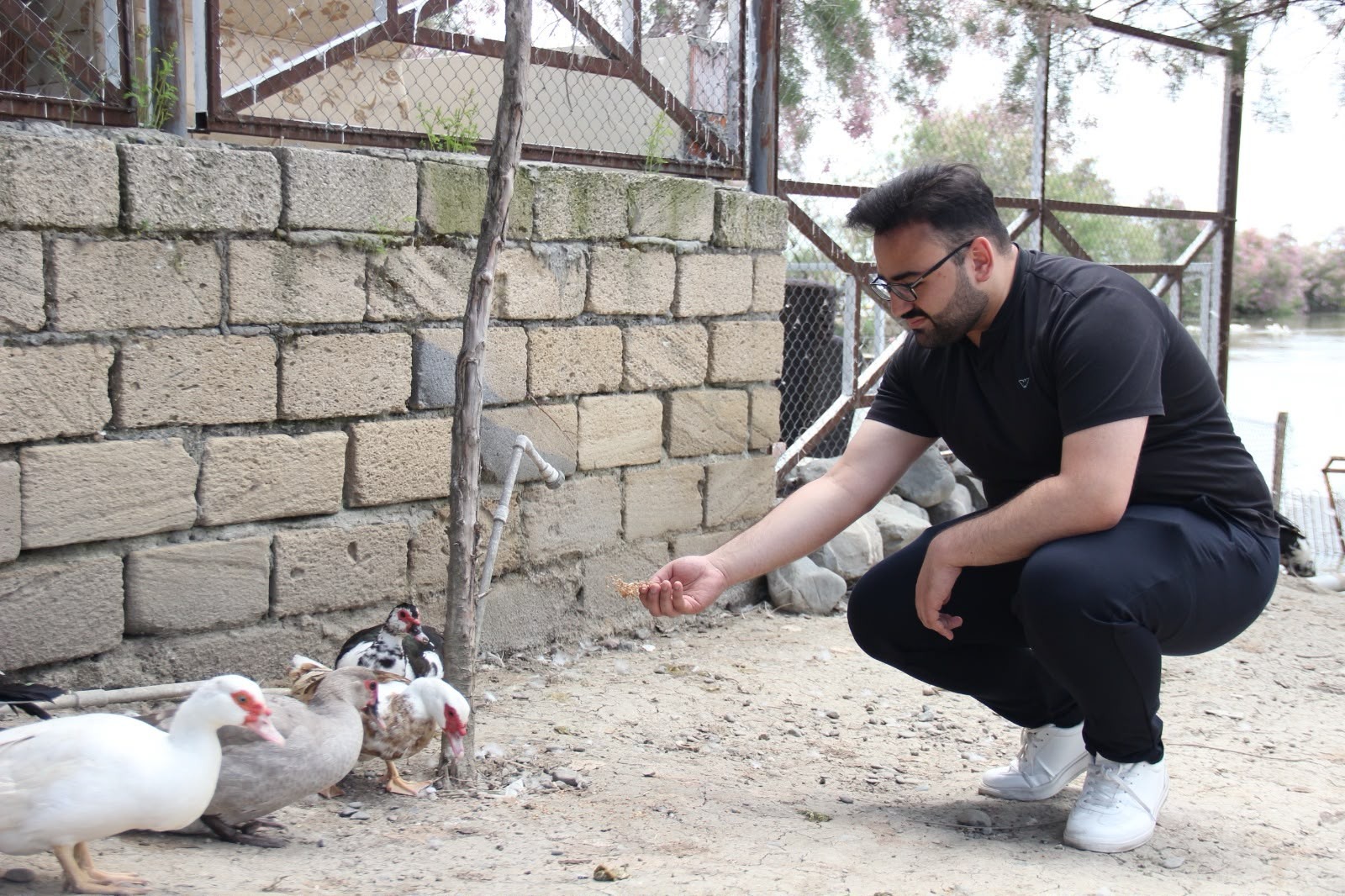
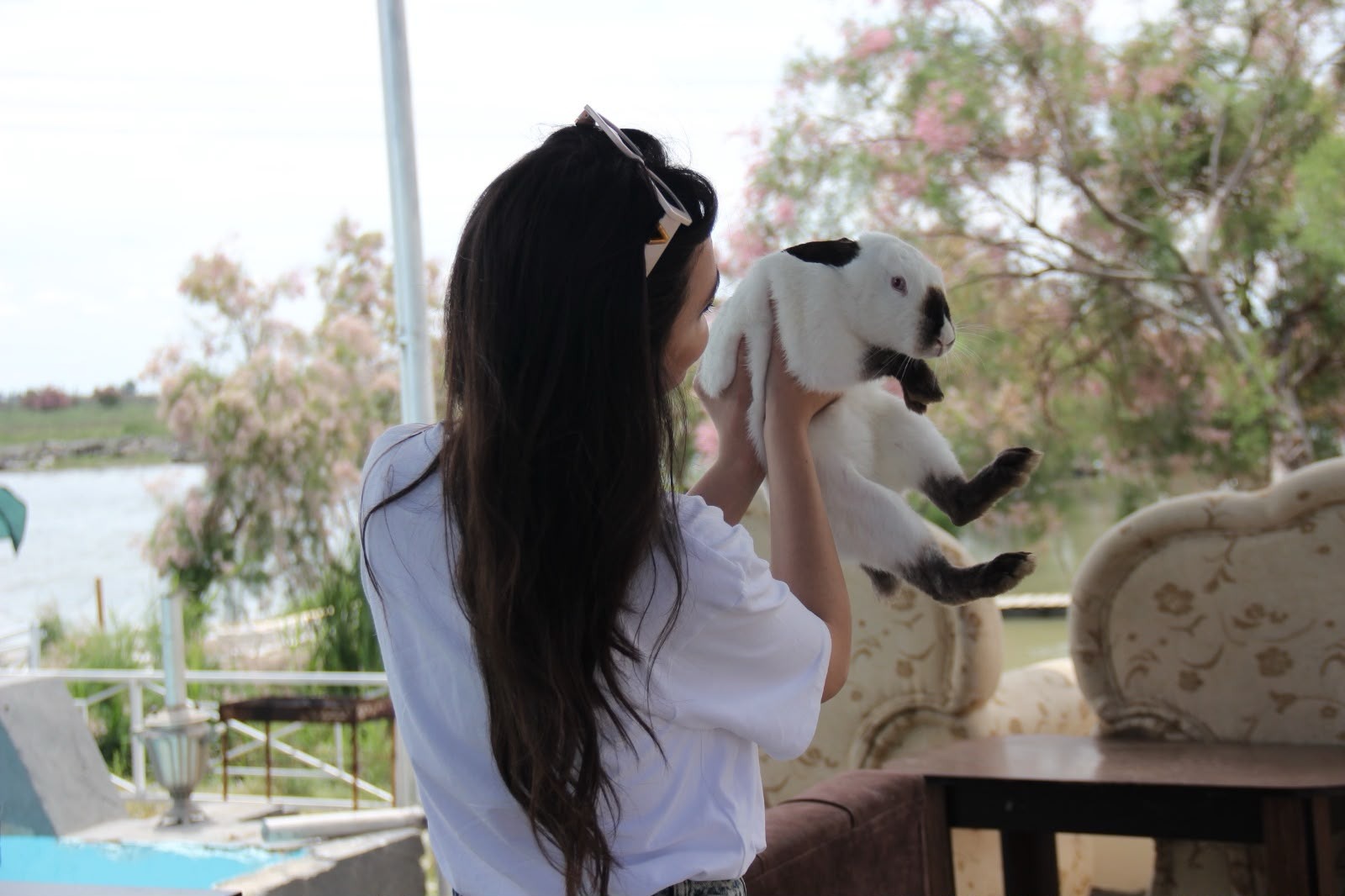
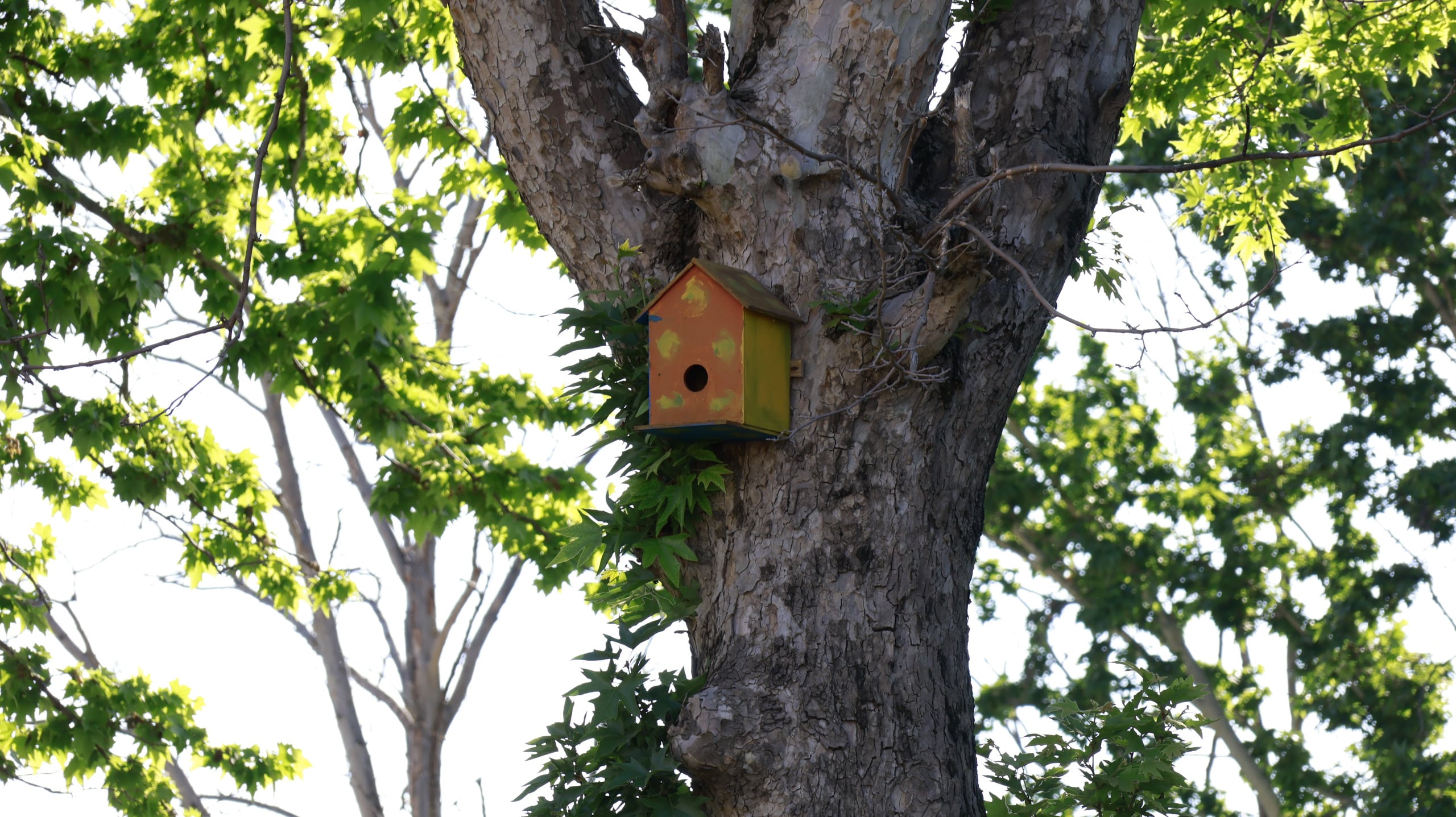
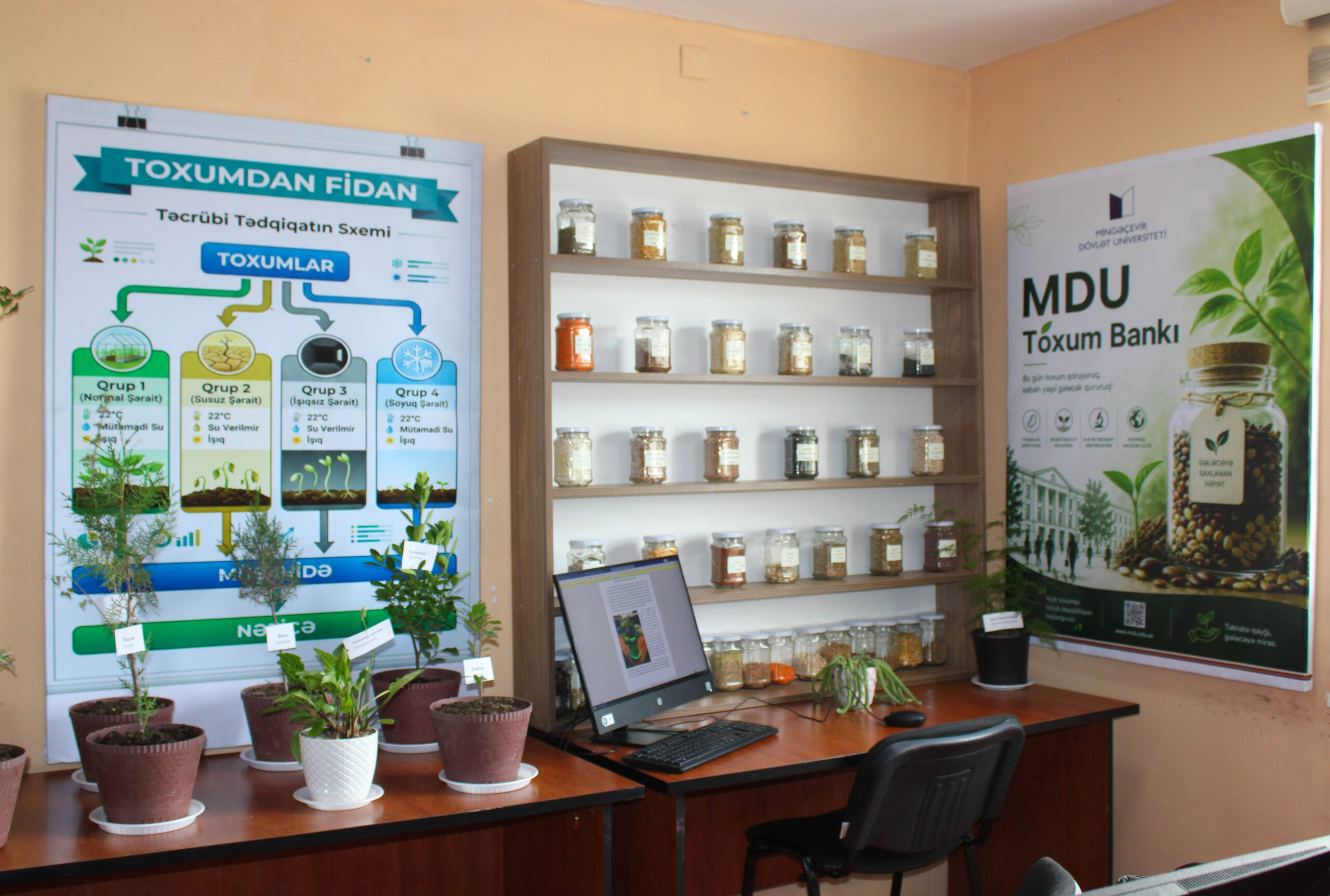
Mingachevir State University places importance on preserving biodiversity within its campus environment. The campus contains a variety of trees, plant species, and green spaces, as well as a natural habitat where different bird species and small animals can be observed. To support the conservation of plant genetic resources, the university operates a greenhouse and a seed bank.
The university regularly organizes tree-planting campaigns and environmental awareness activities to promote knowledge of biodiversity conservation and environmental protection. These initiatives contribute to the sustainable use of natural resources and the promotion of environmental sustainability.