Center for Environmental Sustainability and Climate Action
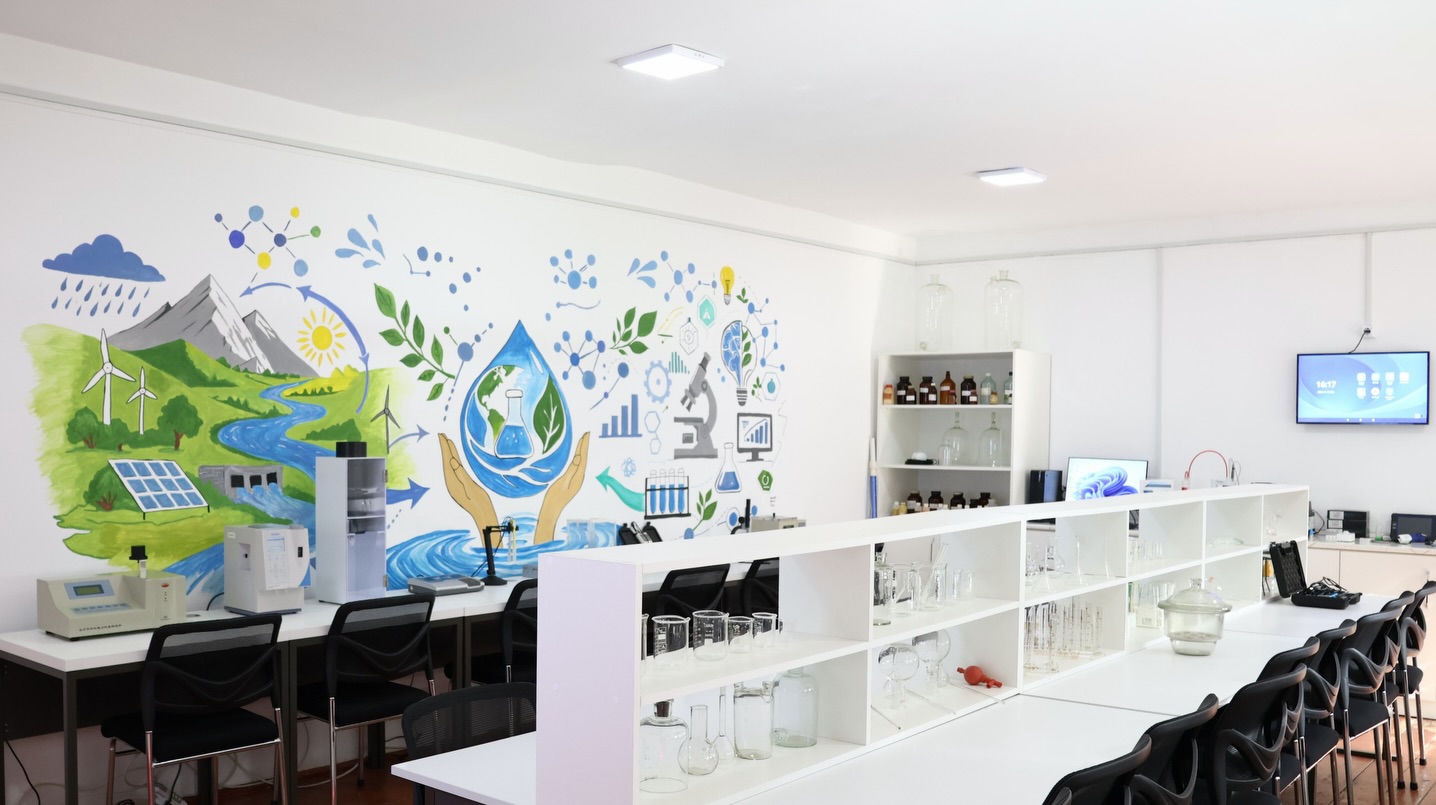
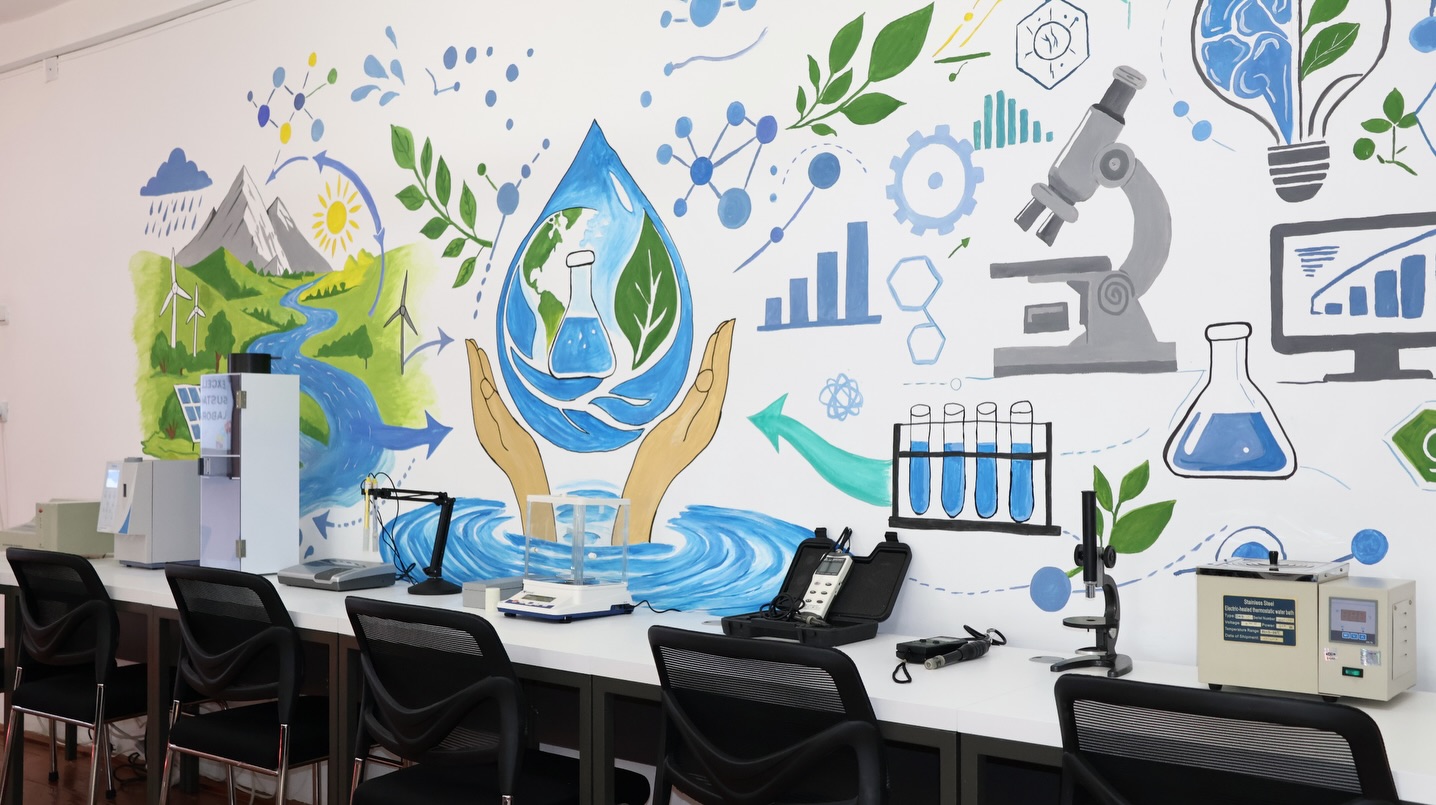
The Center for Environmental Sustainability and Climate Action, operating under Mingachevir State University (MSU), is a strategic unit established to ensure regional environmental security, develop methods for the efficient use of natural resources, and scientifically support the transition to a “green economy.” By aligning the university’s academic potential with the United Nations Sustainable Development Goals (SDGs), the center has become a hub for both theoretical and applied research.
- Our mission and vision
The center’s activities extend beyond scientific research, aiming to cultivate ecological responsibility within society through:
• Transformative research: Creating innovative solutions in climate change, biodiversity, and environmental engineering.
• Regional leadership: Analyzing the ecological map of Mingachevir and surrounding districts and providing scientific proposals for ecosystem restoration.
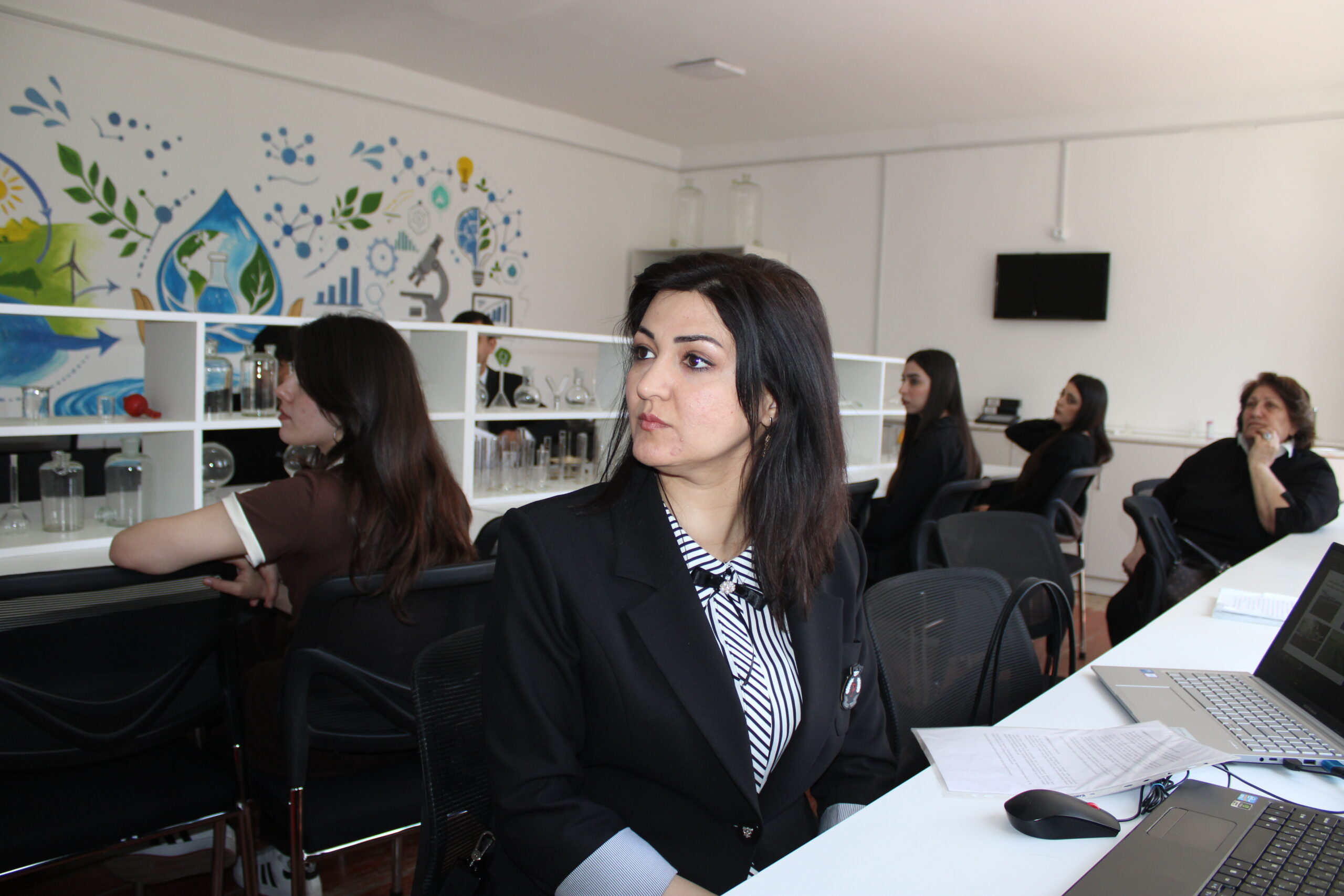
• Integrated education: Incorporating ecological components into curricula and training students within a “living laboratory” environment.
• Global collaboration: Executing joint projects with international research institutes and industry partners.
- Strategic research directions
The center aligns its operations with global priorities and Azerbaijan’s “2030: National Priorities for Socio-Economic Development” across several key areas:
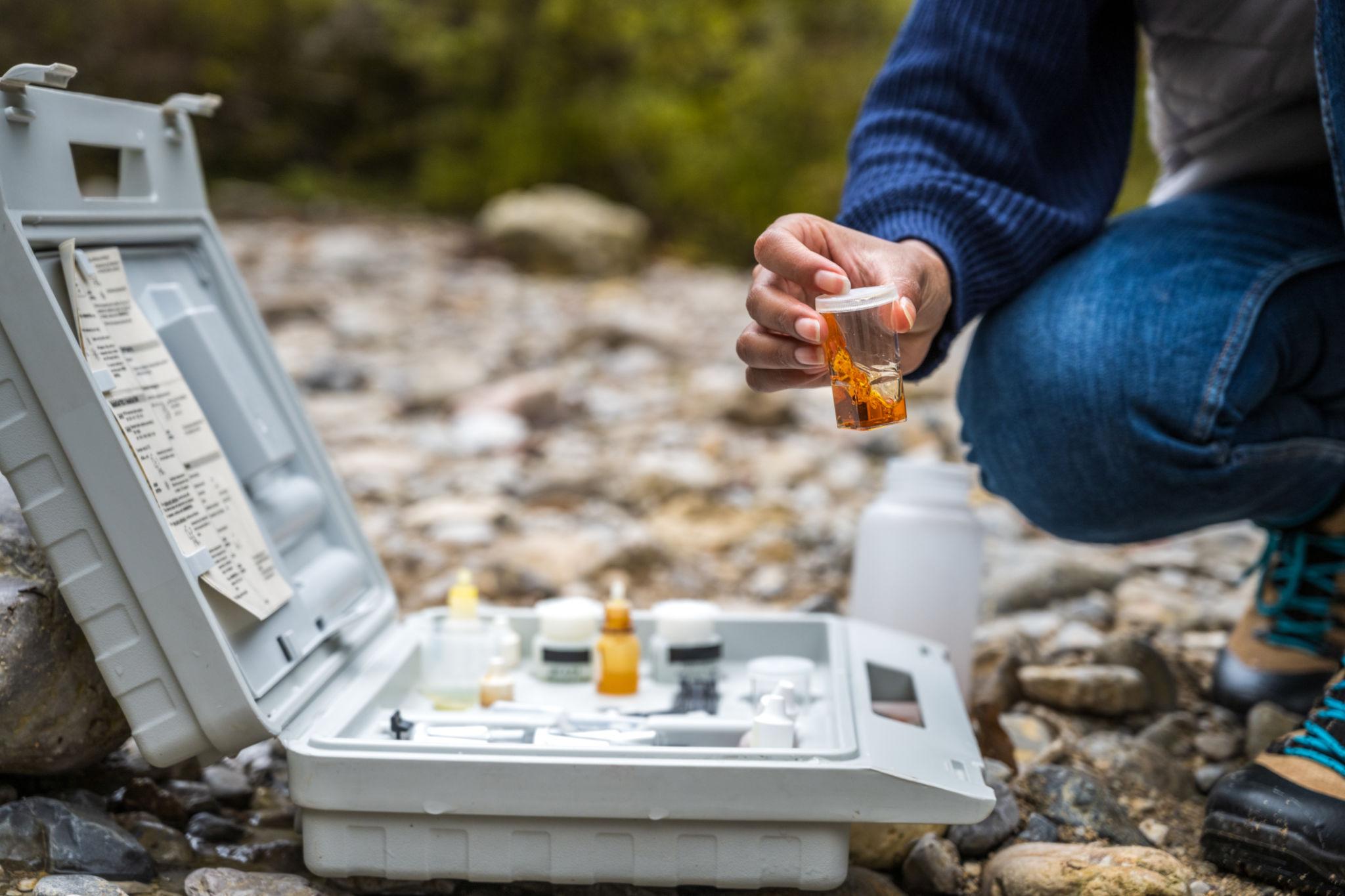
• Water resources and Kura basin monitoring (SDG 6, 14): Analyzing river pollution levels, improving water efficiency, and protecting the hydro-ecosystem.
• Renewable energy and green technologies (SDG 7, 9): Regional application of alternative energy sources, reducing energy losses, and transitioning toward carbon neutrality.
• Sustainable urban planning and regional development (SDG 11): Modeling ecological factors within “Smart Village” and “Smart City” concepts.
• Circular economy and waste management (SDG 12): Developing technological solutions for the recycling of industrial and household waste.
• Climate change and adaptation (SDG 13): Assessing regional climate risks and promoting sustainable methods in agriculture.
III. Interdisciplinary scientific synergy
The center serves as a hub, uniting MSU’s diverse academic fields under a single environmental objective:
• Engineering: Optimization of energy systems, design of devices for environmental monitoring, and digital (IT) solutions.
• Economics and management: Green finance mechanisms, sustainable tourism models, and environmental auditing for enterprises.
• Education: Environmental psychology, educational methodologies for sustainable development, and sociological research on environmental ethics.
- Academic contribution and student mentorship
The center creates extensive opportunities for the professional development of students and graduate researchers:
• Research mentorship: Guiding student theses and graduation projects based on real environmental projects and factual data.
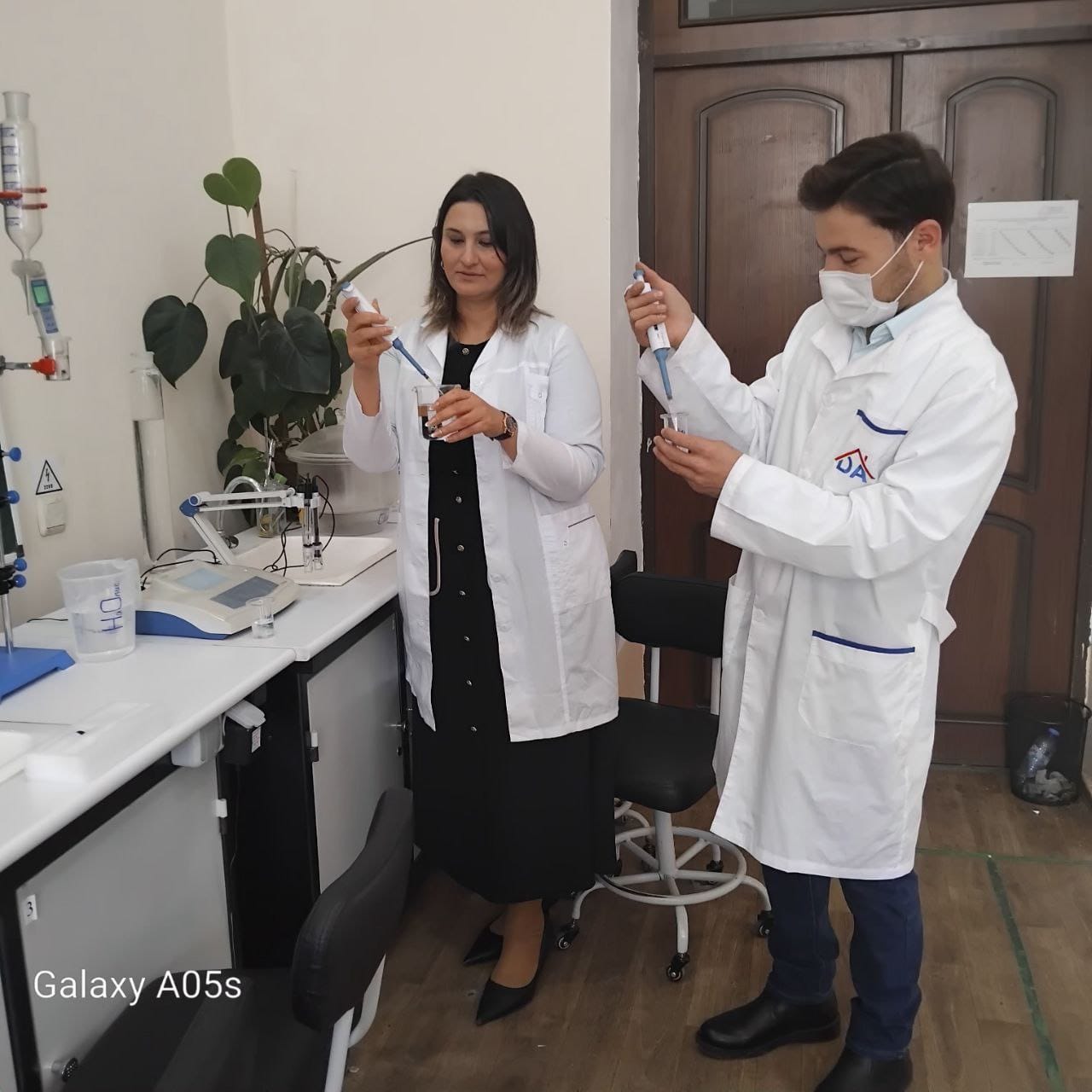
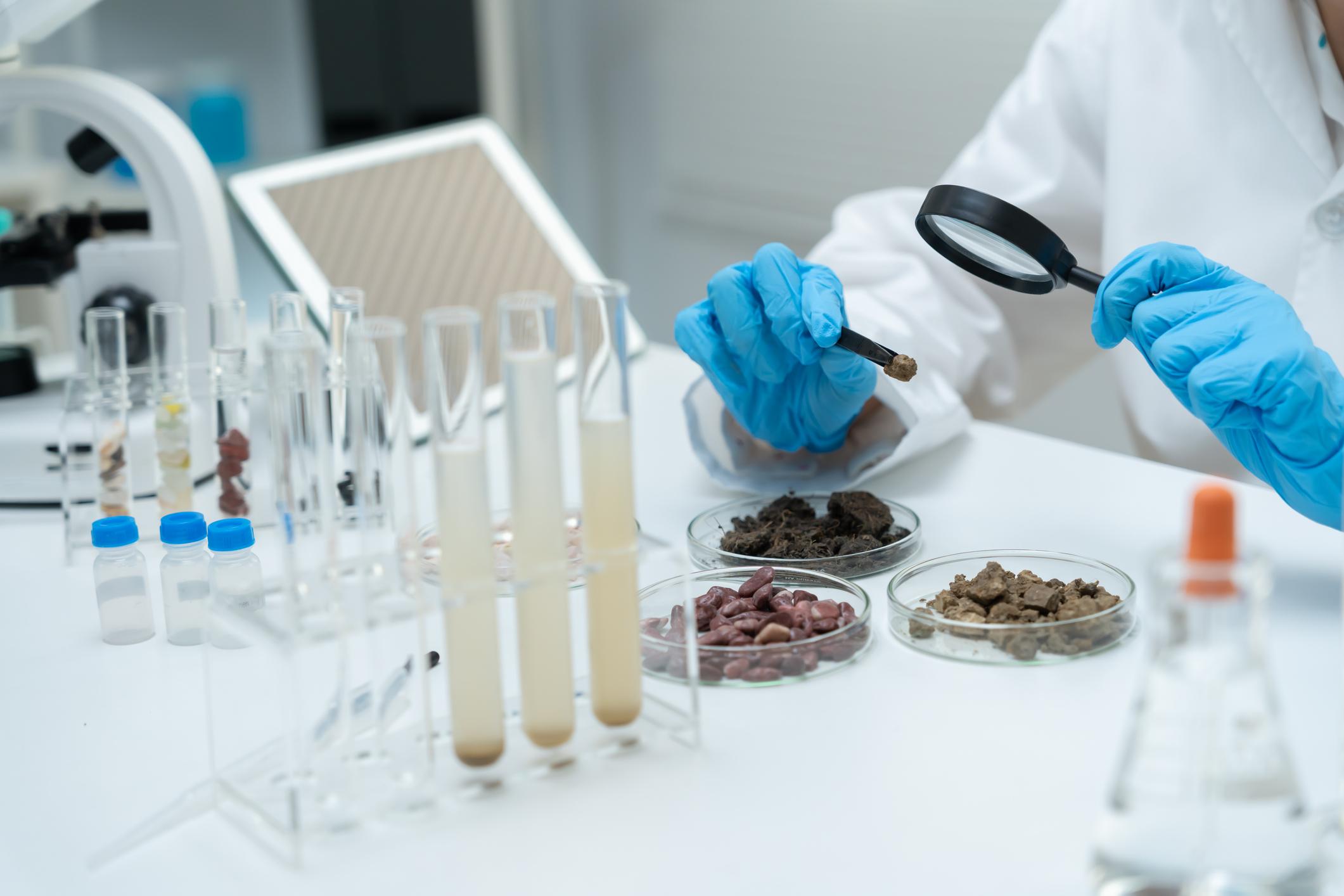
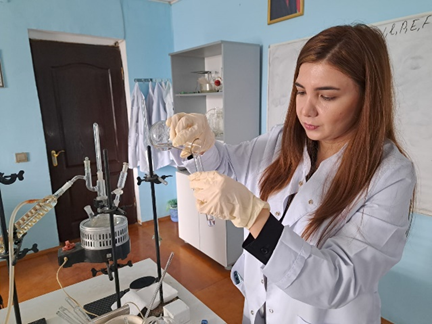
• Internship programs: Engaging students directly in field research, laboratory analysis, and environmental monitoring.
• Innovation competitions: Fostering an internal incubation environment to support “Green Startups” and innovative ideas.
- Global and regional partnerships
Working within the “University-Industry-Government” triangle, the center collaborates closely with municipalities, private sector representatives, and international donor organizations. Our goal is to ensure that scientific research is directly applied to solving real-world challenges.
Investigating the scientific solutions of the future, today.
We welcome all researchers, industry leaders, and students who wish to cooperate with us for environmental protection and a sustainable future.
🔗 Sustainability resources: