
Water
Water-Efficient Infrastructure and Pollution Control
Mingachevir State University implements various measures to improve water efficiency and prevent water pollution across the campus. Sensor-operated faucets and water-efficient toilet systems are installed in university buildings to reduce unnecessary water consumption. Water meters are used to monitor and manage water usage effectively, helping to identify and prevent potential losses. In addition, laboratory analyses and monitoring activities are conducted to assess water quality and ensure compliance with environmental standards. These initiatives support the sustainable use of water resources and contribute to environmental protection.


Water Resources and Conservation
At Mingachevir State University, various measures are implemented to protect water resources and promote water conservation. A drip irrigation system is used for watering the green areas across the campus, helping to minimize water consumption and improve irrigation efficiency. Informational messages and awareness signs encouraging water conservation are displayed throughout university buildings. In addition, awareness-raising activities on the efficient use of water resources are organized for students and staff, while environmental posters are exhibited in corridors and other common areas. These initiatives contribute to fostering a culture of responsible water use within the university community.


Water Recycling Program Implementation
Mingachevir State University (MSU) has significantly expanded the use of treated and recycled water as part of its comprehensive Sustainable Water Management Program, aimed at conserving water resources, reducing freshwater consumption, and strengthening the university’s Green Campus initiative. The program supports the efficient utilization of available water resources while promoting environmental sustainability and climate resilience across the campus.
Key measures implemented include:
• Reuse of treated water for landscape irrigation – Water collected through treatment, filtration, and rainwater harvesting systems is reused for irrigating green areas, gardens, and landscaped spaces throughout the campus. This practice reduces dependence on potable water and supports sustainable campus maintenance.
• Water recycling through filtration and treatment processes – Water generated from treatment and filtration activities is carefully managed and reused wherever possible for non-potable purposes, including technical operations, cleaning activities, and landscape maintenance.
• Efficient irrigation infrastructure – Green spaces are maintained through controlled irrigation systems and water-saving technologies that optimize water consumption and minimize unnecessary losses while preserving campus biodiversity and environmental quality.
• Water quality monitoring and sustainable water management – Laboratory facilities regularly assess water quality to ensure that treated water meets environmental and operational standards. Research projects conducted by students and academic staff support innovation in water conservation, rainwater utilization, water quality monitoring, and sustainable water technologies.
• Leak prevention and water efficiency measures – Sensor-activated faucets, dual-flush toilet systems, regular infrastructure inspections, and leak detection programs implemented in cooperation with the Mingachevir Municipality contribute to reducing overall water consumption and increasing water-use efficiency across the campus.
Through these initiatives, approximately 55–60% of treated and collected water resources are reused for irrigation, landscape maintenance, and technical applications, significantly reducing the consumption of potable water and supporting sustainable campus operations.
These efforts contribute directly to the achievement of the United Nations Sustainable Development Goals, particularly SDG 6 (Clean Water and Sanitation), SDG 12 (Responsible Consumption and Production), and SDG 13 (Climate Action). By integrating water conservation, water reuse, research, and environmental education, Mingachevir State University continues to strengthen its position as a sustainable and environmentally responsible higher education institution.

Seminar on Rainwater Collection and Reuse Practices

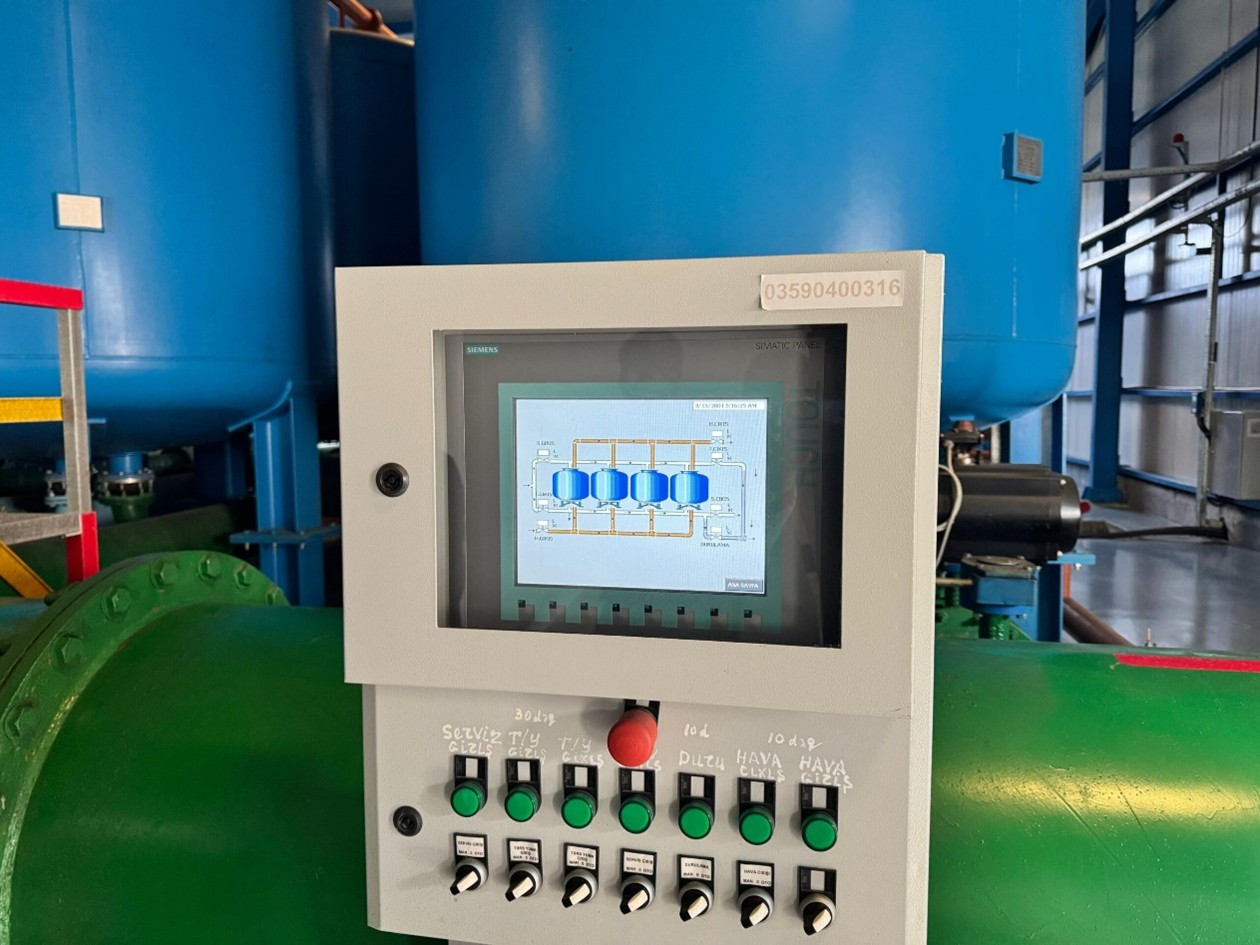
Students Learning About Water Filtration Systems

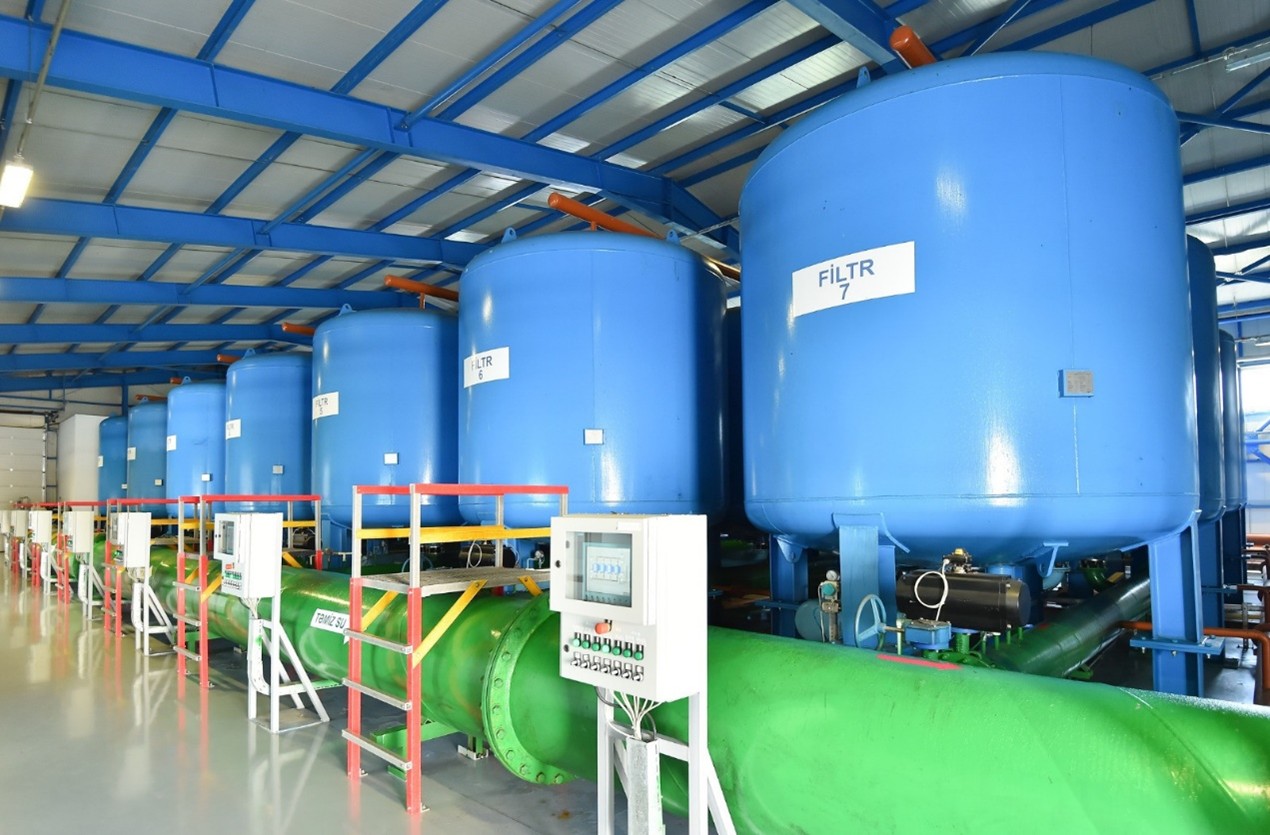
Water Purification Filter Unit
Wastewater Management and Treatment
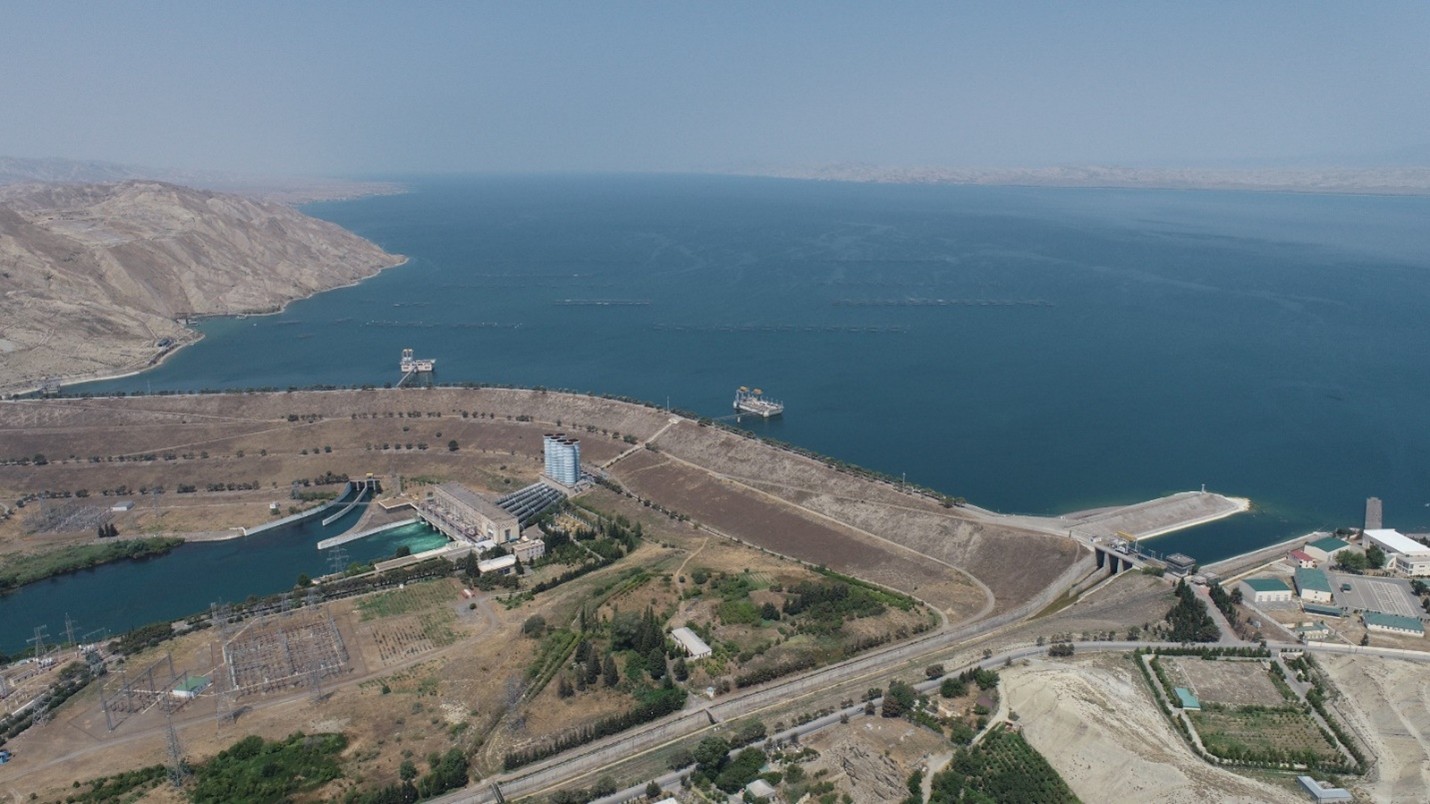
Mingachevir State University receives its drinking water supply through the centralized municipal water supply system operated by the relevant service under the Azerbaijan State Water Resources Agency. Wastewater generated by the university is discharged into the municipal sewerage system and managed through the city’s wastewater infrastructure for treatment and disposal.
The university supports responsible wastewater management by using the existing municipal infrastructure and promoting the protection of water resources and the prevention of water pollution.
Building Standards and Water-Efficient Infrastructure
Mingachevir State University applies water-efficiency measures in campus facilities through the installation of sensor-operated taps, which automatically control water flow and help prevent unnecessary water consumption. The University has also installed water filtration and softening systems to improve water quality and support the reliable operation of water infrastructure.
The University’s Clean Water Policy provides an institutional framework for monitoring water consumption, preventing wastage and improving the management of water resources.
Relevant technical measures:
- Sensor-operated taps to reduce unnecessary water flow.
- Water filtration and softening systems to improve water quality.
- Monitoring of water consumption and identification of avoidable losses, as provided for in the University’s water-management framework.