
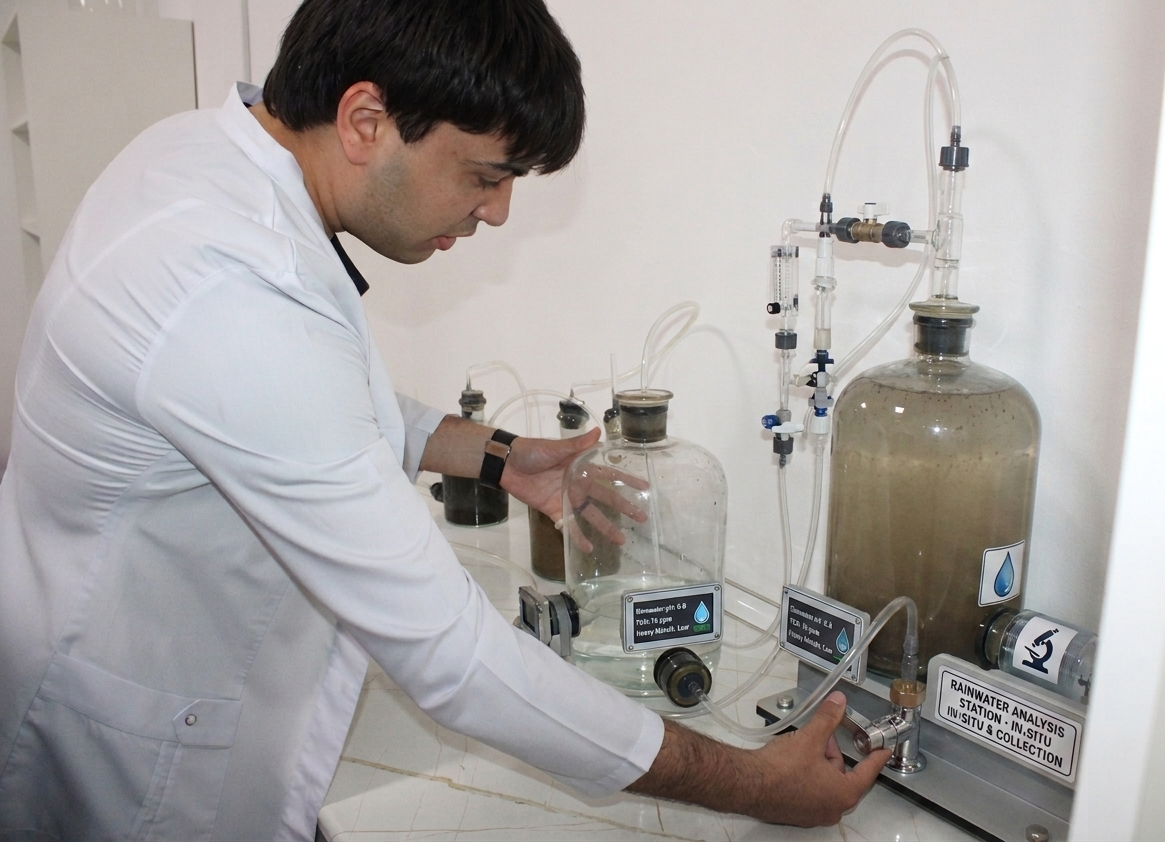
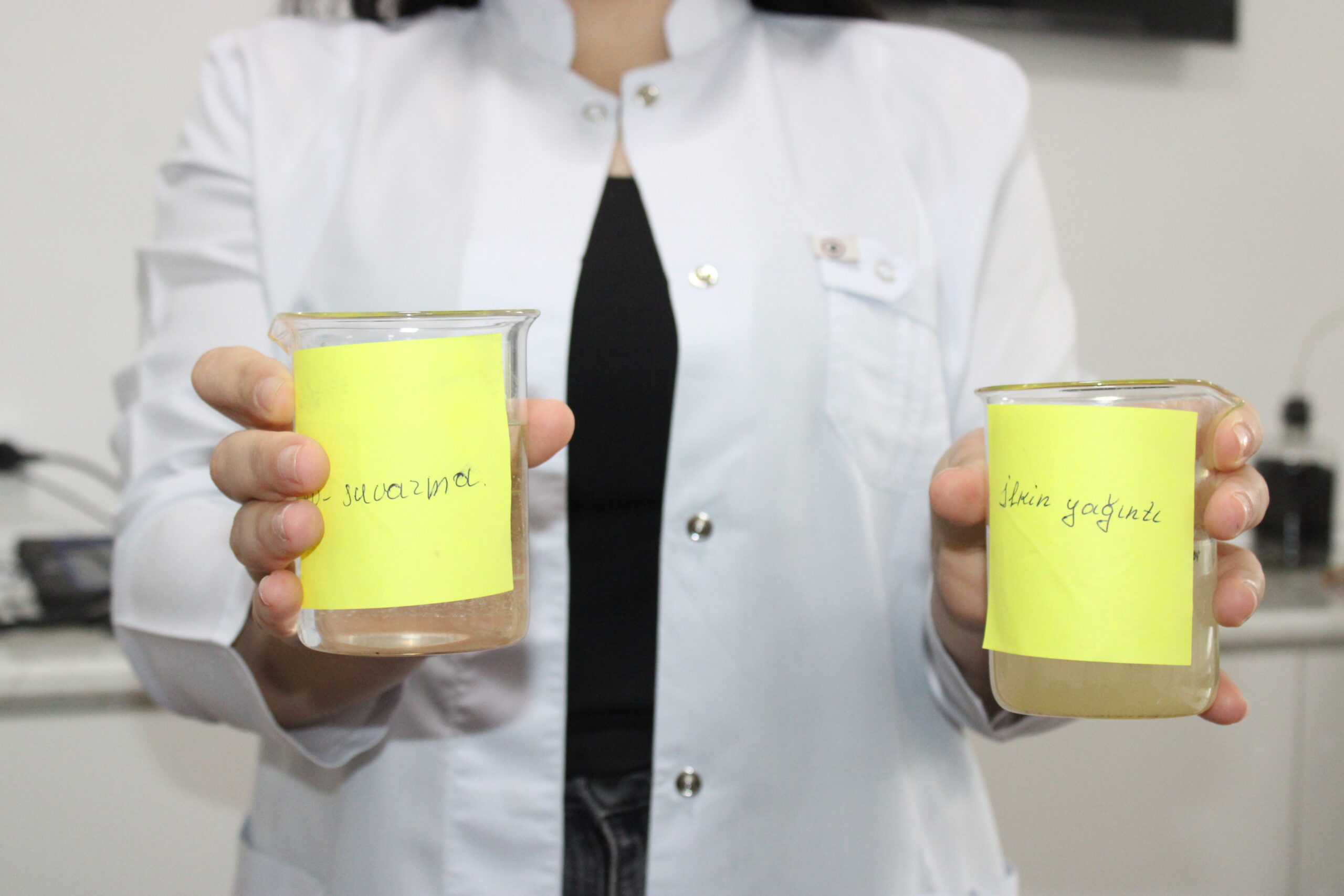
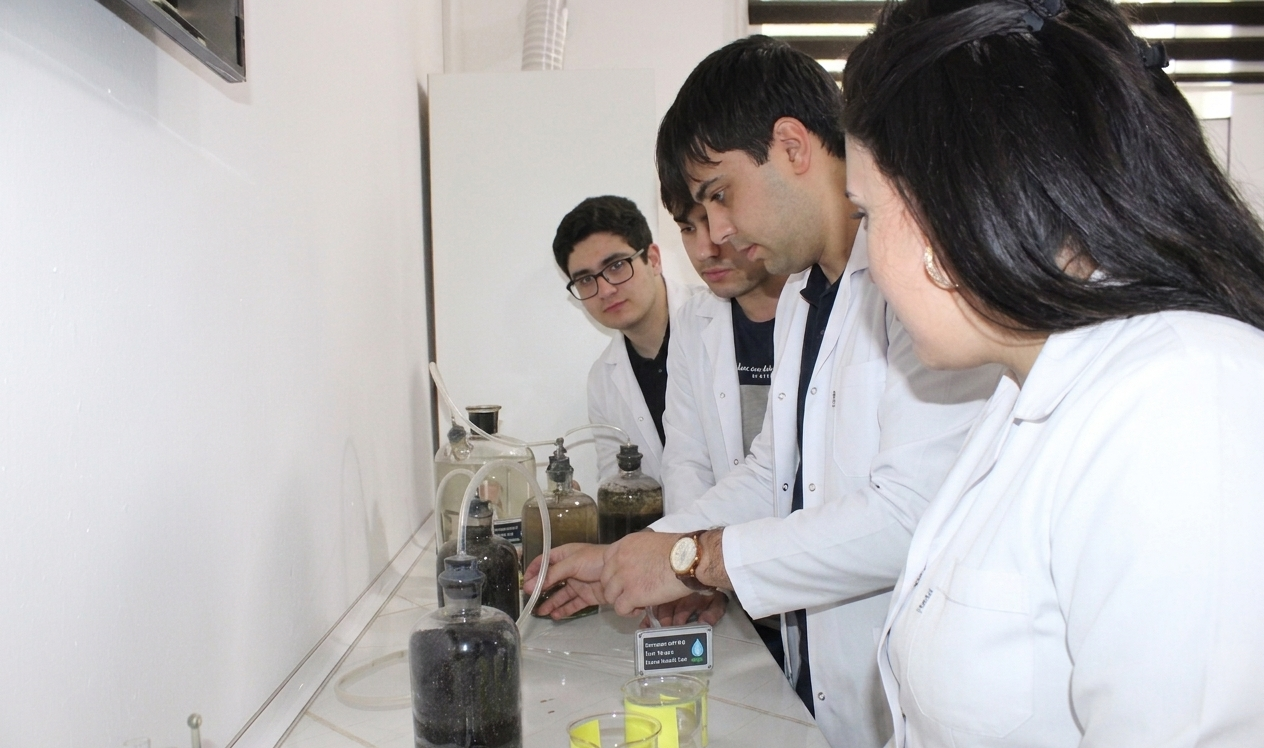
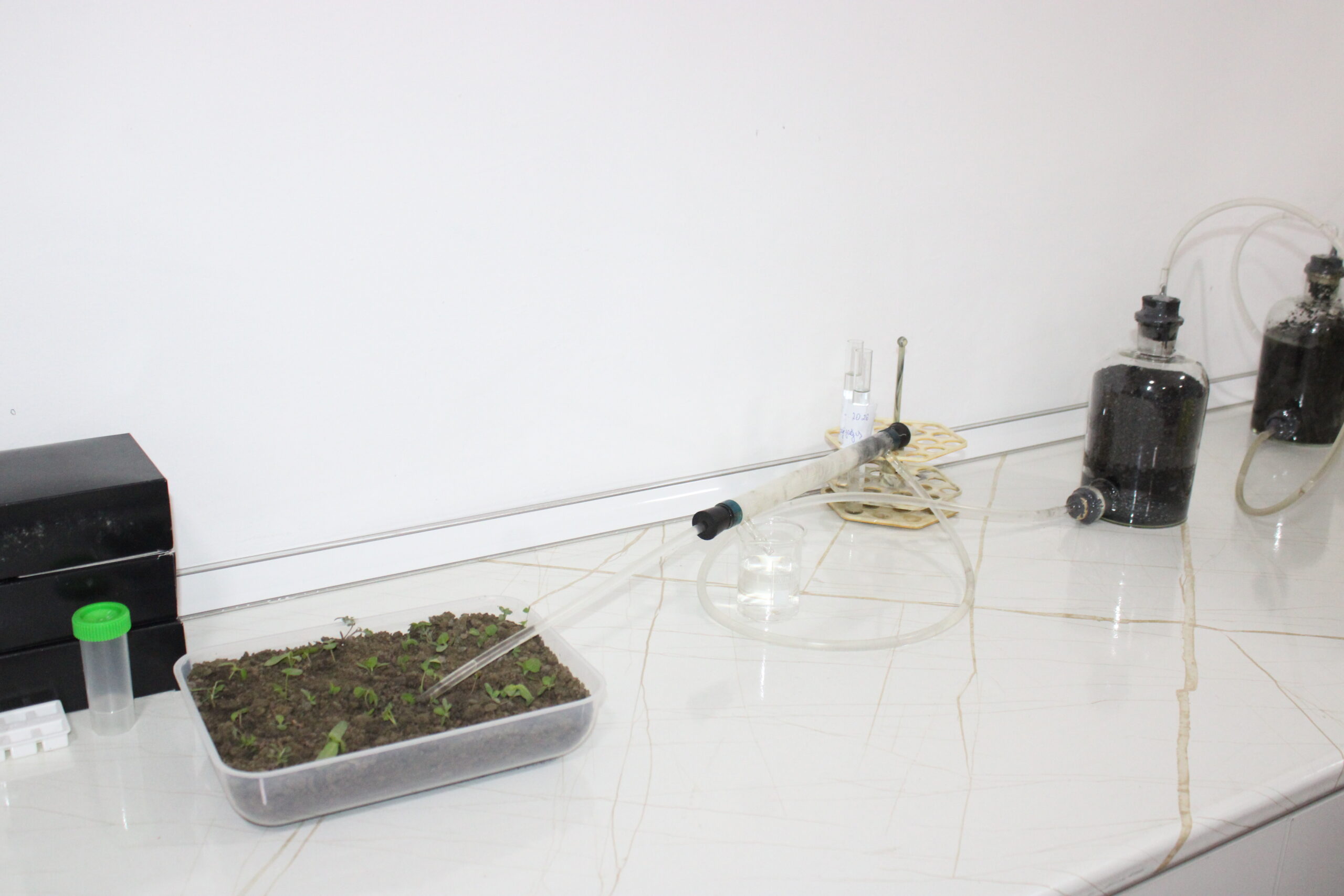
An innovative project aimed at the efficient management of water resources within the campus environment has been developed with the participation of students at Mingachevir State University (MSU). The model system designed by the students stands out as an environmentally friendly solution that enables the collection, purification, and reuse of rainwater.
The main objective of the project is to support the conservation of water resources in the context of climate change, promote sustainable approaches, and contribute to the implementation of alternative water management models on the university campus.
Through the developed system, rainwater is directed into reservoirs via a special collection mechanism and then processed through a multi-stage filtration system to make it suitable for various technical purposes. The model includes stages such as water collection, mechanical purification, filtration, and reuse.
The project is of significant importance in terms of reducing water consumption across the campus, promoting alternative water sources, and strengthening environmental awareness. In the future, the system is planned to be used for irrigation of green areas, technical cleaning operations, and other non-potable purposes.
The students’ initiative is considered one of the successful examples of the “Green Campus” concept and student-oriented ecological innovations promoted at the university. At the same time, the project contributes to the development of students’ practical knowledge and skills, the enhancement of environmental responsibility, and the promotion of solutions aligned with sustainable development goals.
The university administration noted that such student initiatives make an important contribution to activities aimed at protecting water resources, reducing carbon footprints, and strengthening environmental sustainability. It is planned to further improve the developed model and integrate it into the real campus infrastructure in the future.