
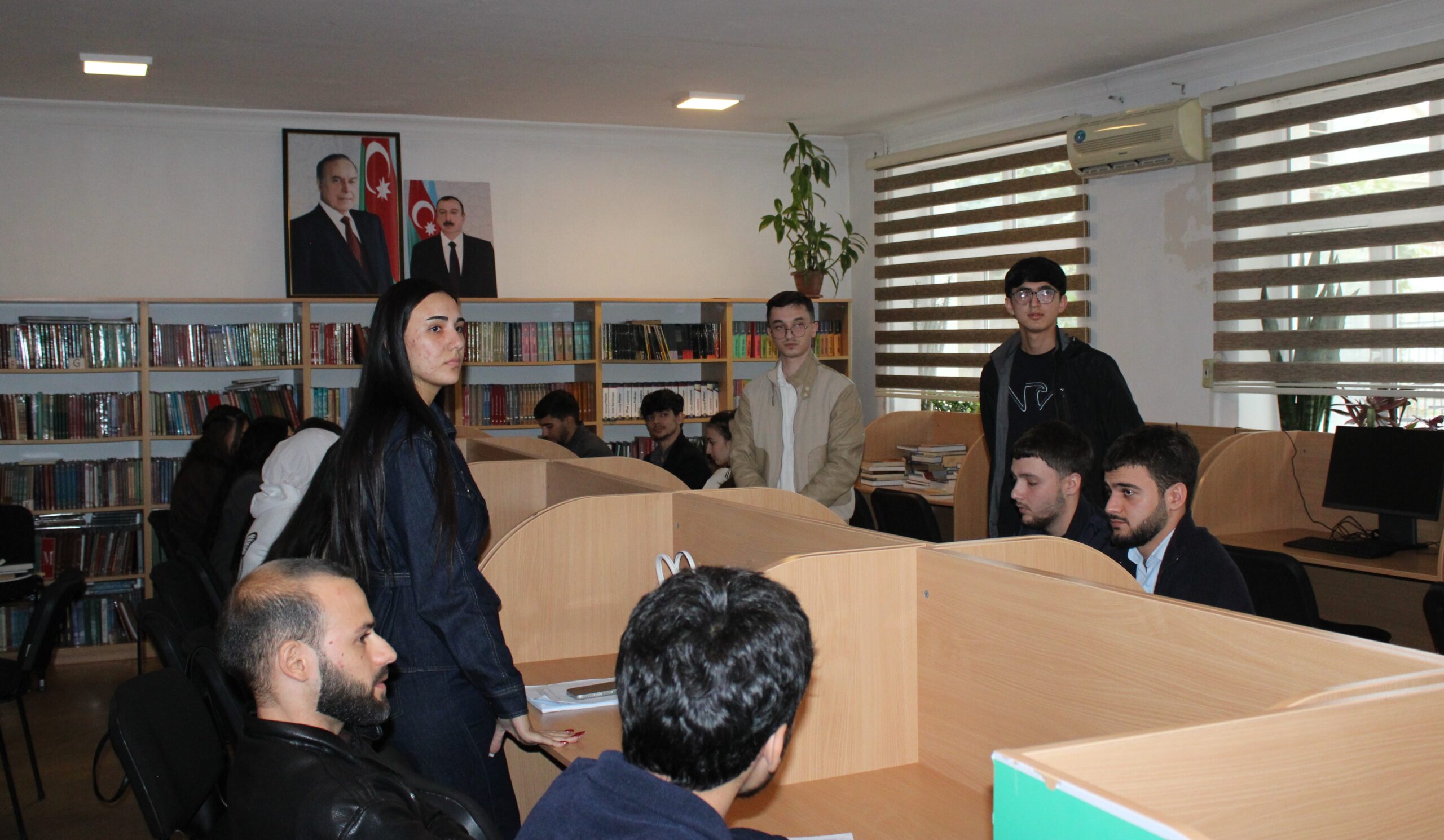
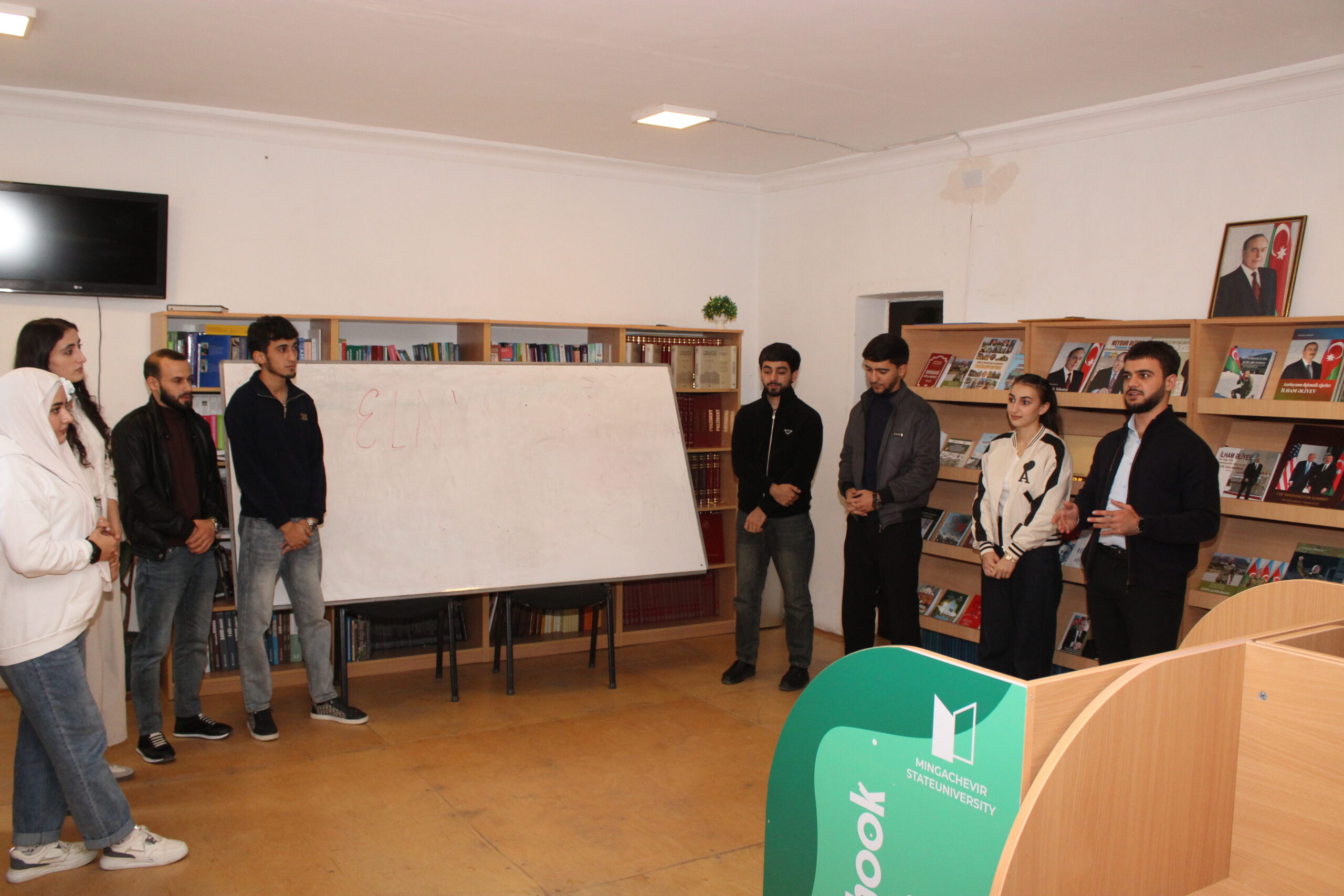
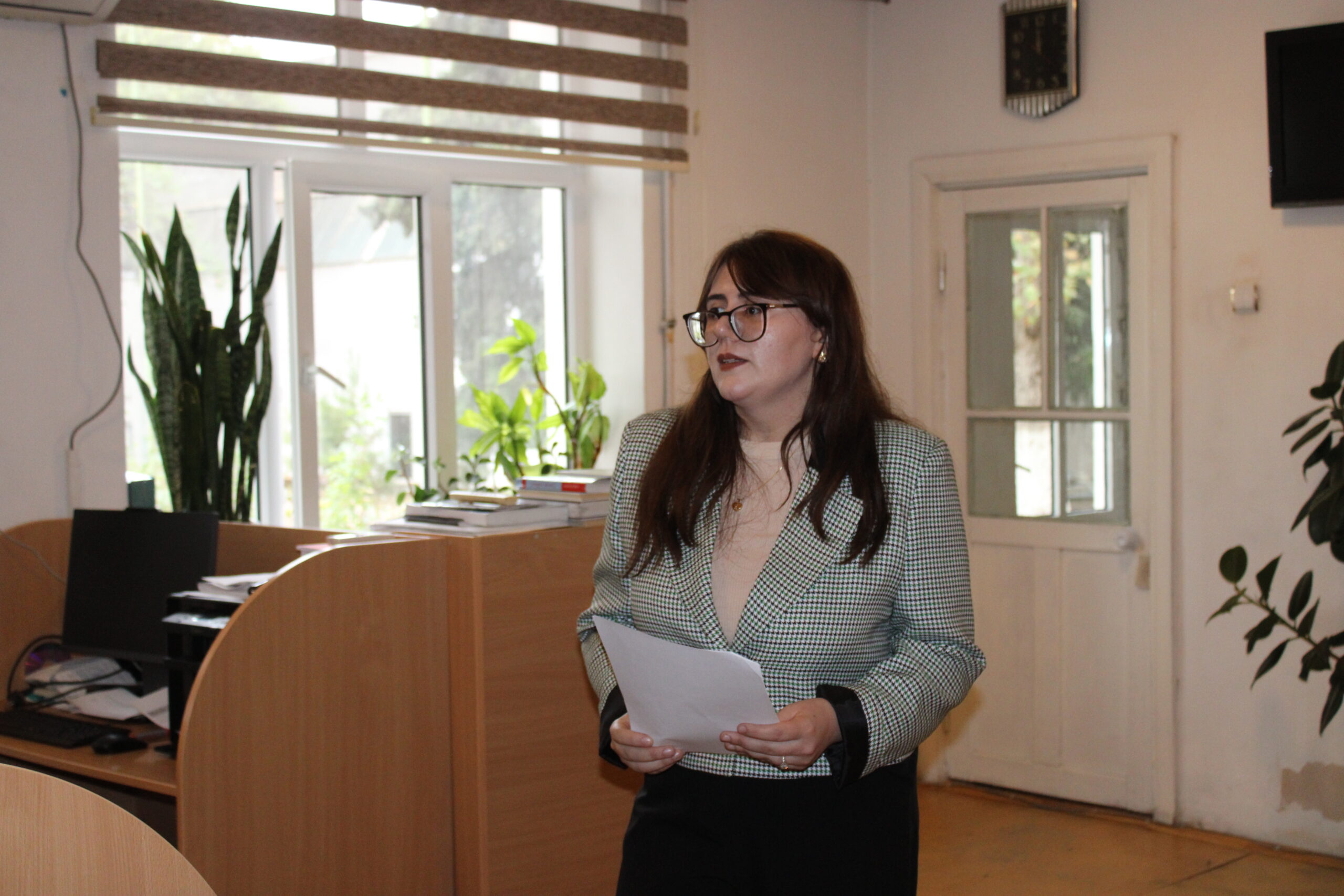
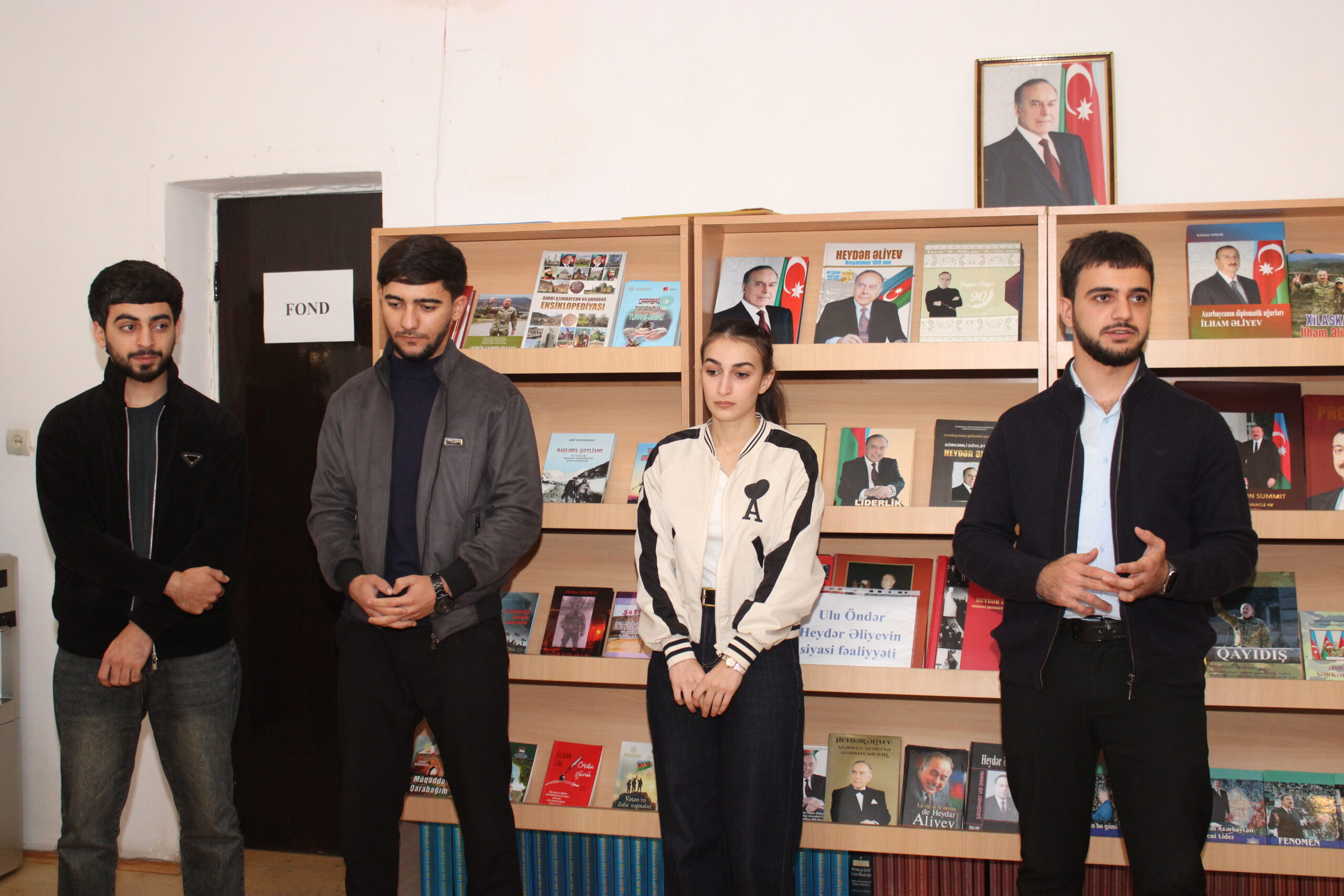
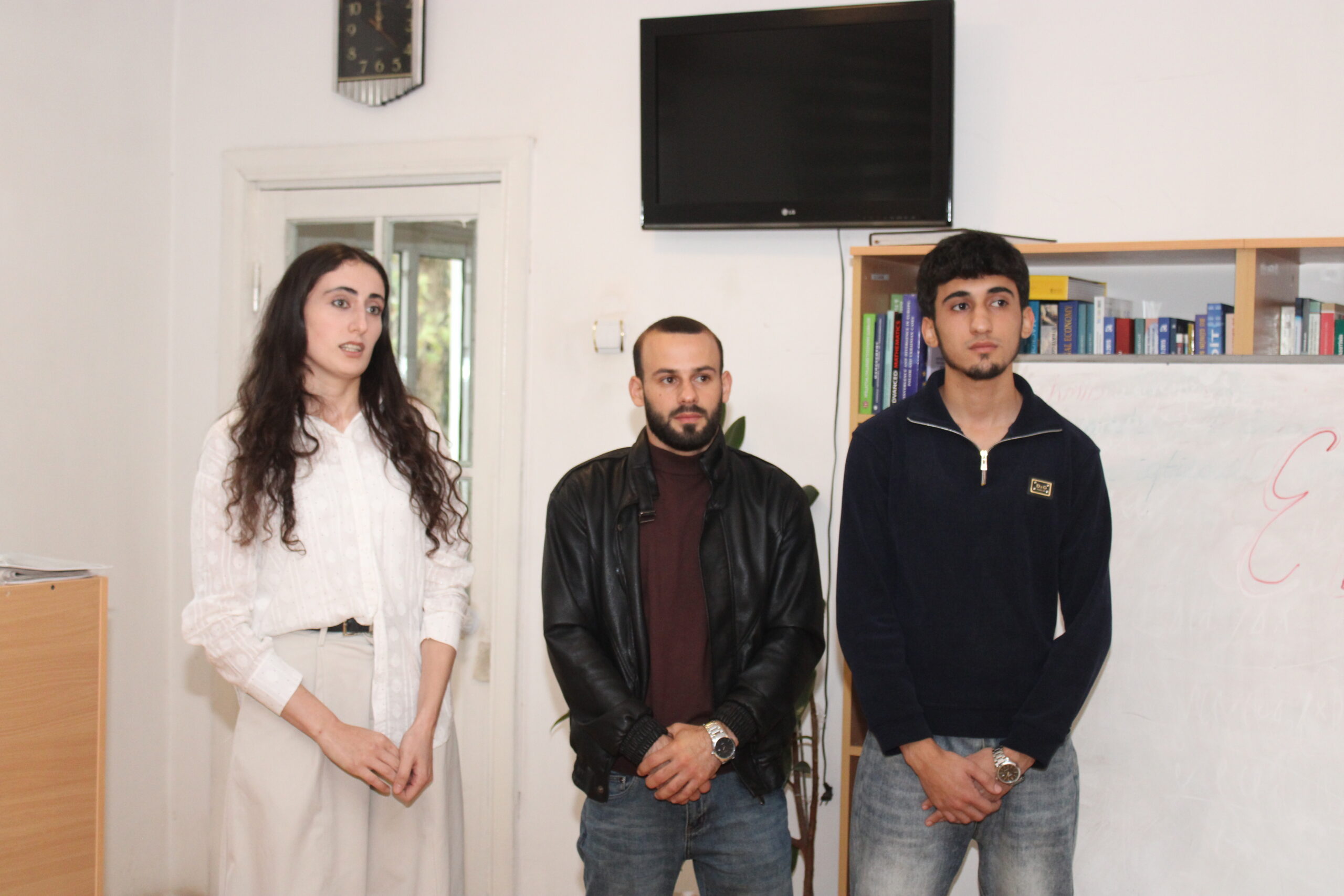
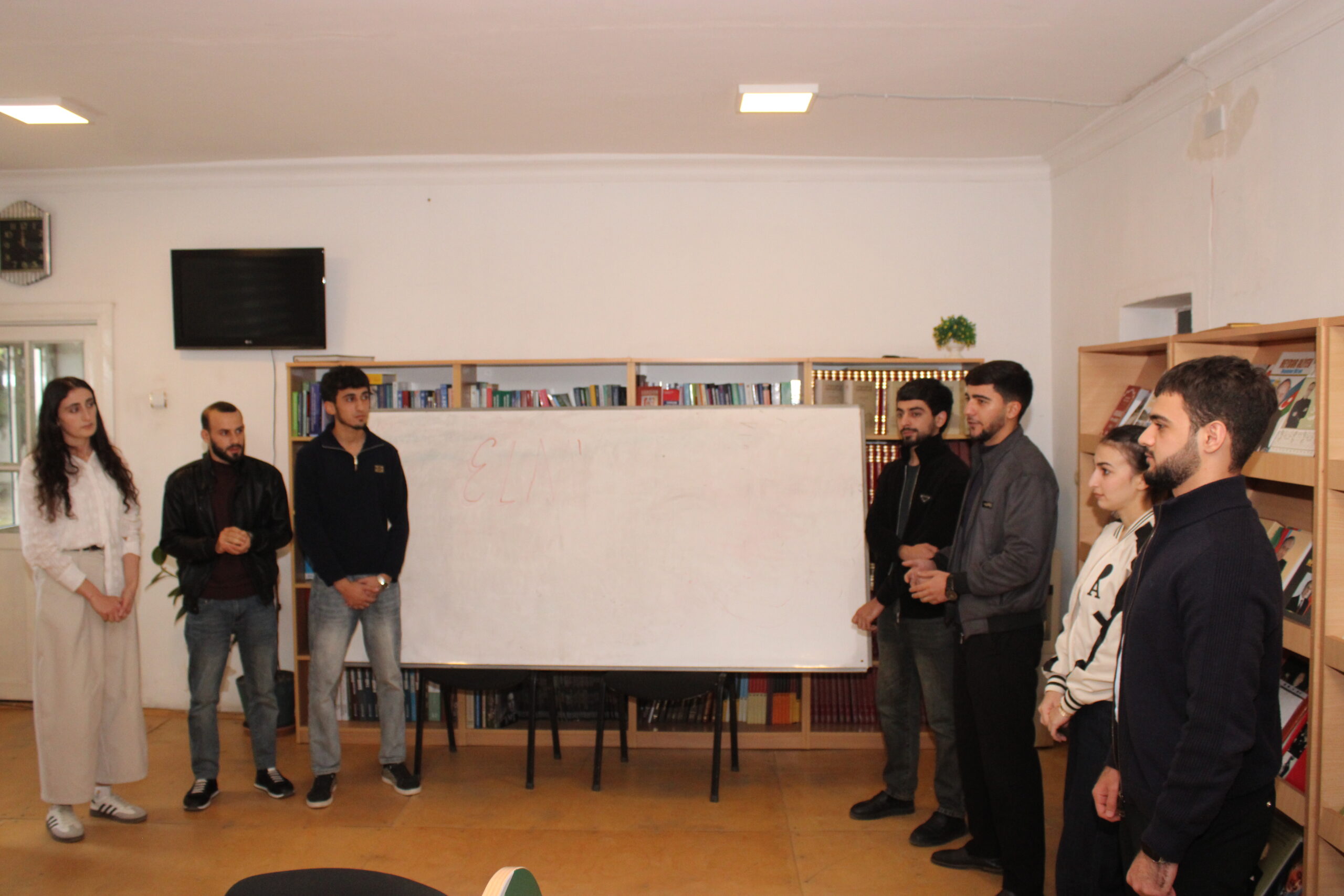
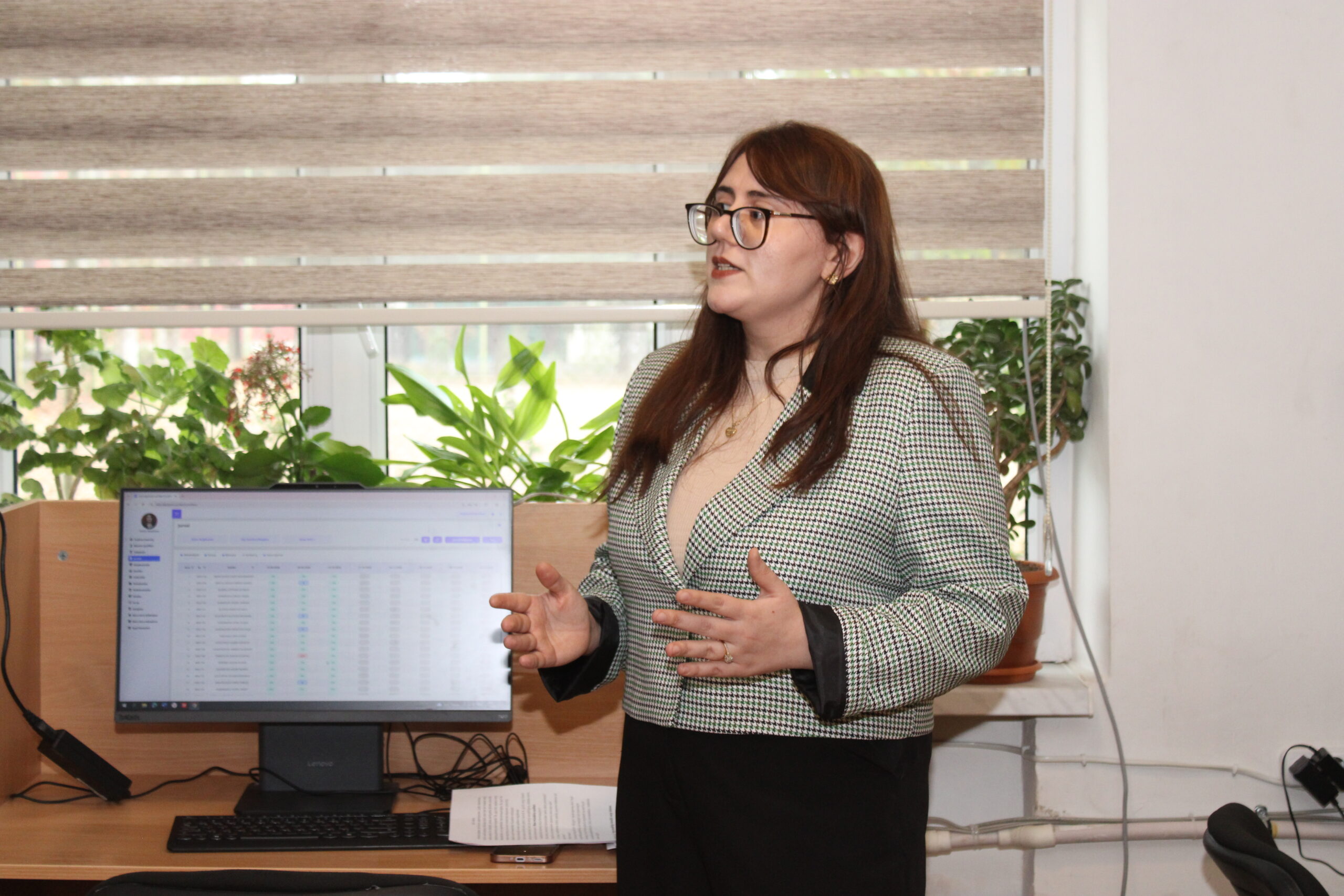
On 27 October 2026, a scientific debate entitled “Tax Literacy and Voluntary Tax Compliance: From Knowledge to Responsibility” was held at Mingachevir State University (MDU), organised by Tansu Rashidova, a lecturer in the Department of Economics.
Organised as part of a class, the debate aimed to enhance students’ tax literacy, explore the factors influencing voluntary tax compliance, and develop their critical thinking, evidence-based argumentation and comparative analysis skills.
Tansu Rashidova informed students about the methodology of conducting scientific debates, formulating economic propositions and evaluating different positions on a scientific basis. During discussions conducted in a spirit of mutual respect and objectivity, arguments from both sides were heard and the views presented were analysed.
The debate examined the impact of tax literacy on voluntary compliance with tax obligations from different perspectives. Students defending the positive position stated that greater tax knowledge helps taxpayers fulfil their obligations correctly and on time and make effective use of mechanisms such as electronic filing and tax relief. Highlighting the role of taxes in financing public services and supporting social welfare, they emphasised the importance of viewing tax payments as an economic and social responsibility.
Students presenting a critical perspective pointed out that awareness alone is insufficient to ensure voluntary tax compliance. The possibility of using tax knowledge to identify legal loopholes was discussed, and the differences between lawful tax planning and tax evasion were examined.
Discussions continued in small groups, focusing on the relationship between knowledge, trust and responsibility. Participants assessed the impact of transparency in the use of public funds, accountability and confidence in the tax system on voluntary tax compliance. They also exchanged views on the principles of horizontal and vertical tax equity, income inequality and the risks posed by the shadow economy, comparing the effects of tax audits and sanctions with those of awareness-raising mechanisms.
The interactive class enabled students to connect their theoretical knowledge with real economic processes and gain a deeper understanding of the economic and psychological factors influencing taxpayer behaviour. Substantiating different positions and reaching shared conclusions supported the development of their analytical thinking, teamwork and professional discussion skills.
The debate contributed to promoting quality education, student-centred teaching and responsible citizenship. Discussing tax culture, social justice and transparent governance together was valuable in helping students understand the role of individual responsibility in sustainable socioeconomic development.