
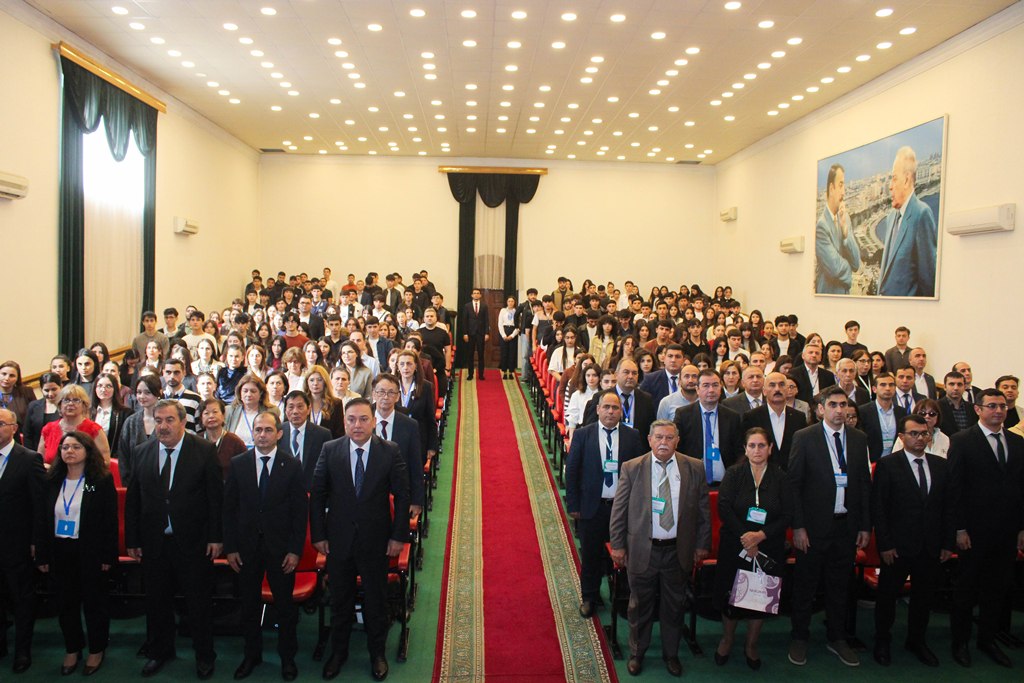
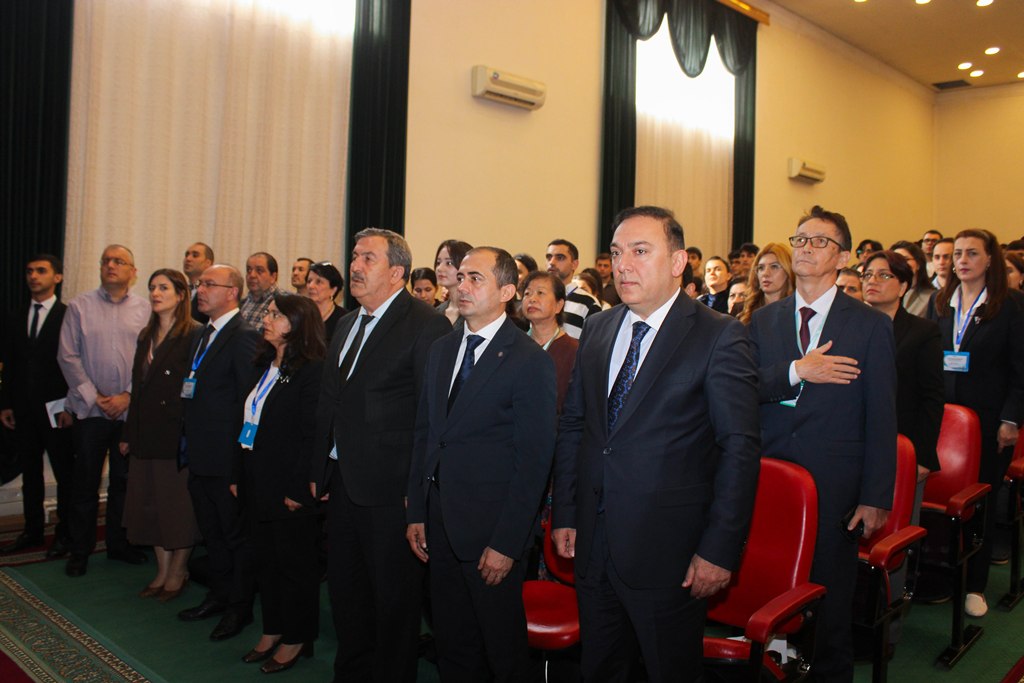
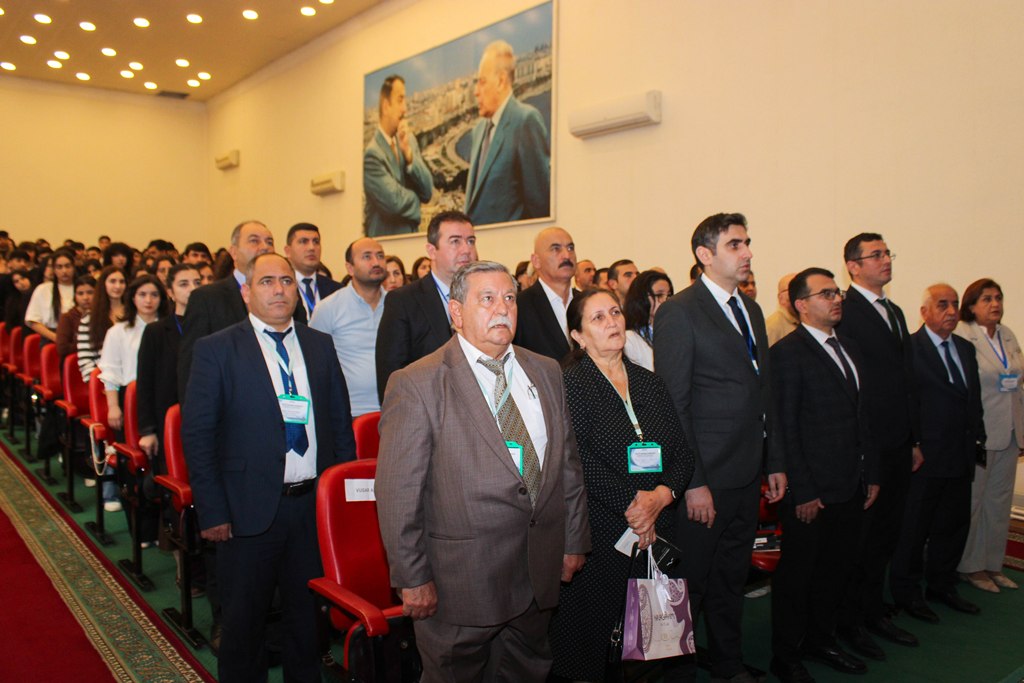
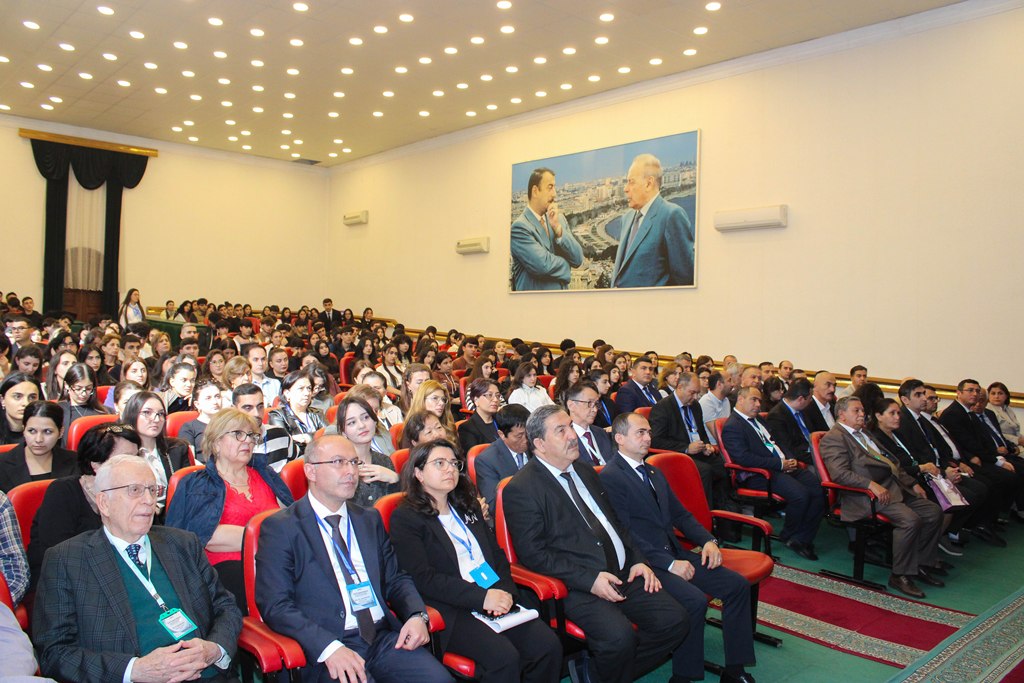
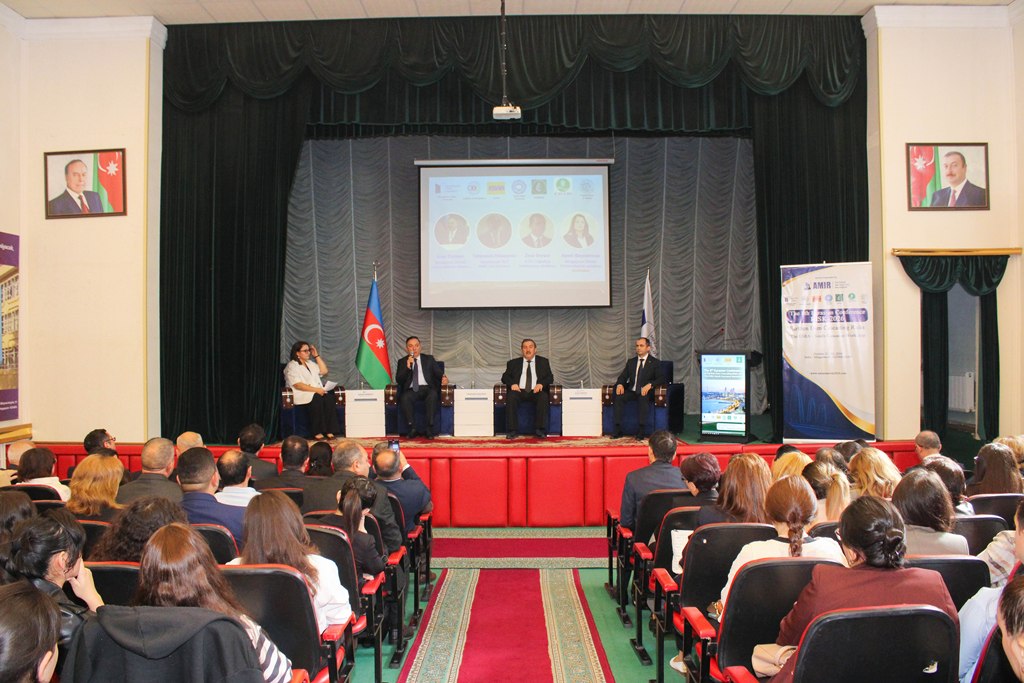
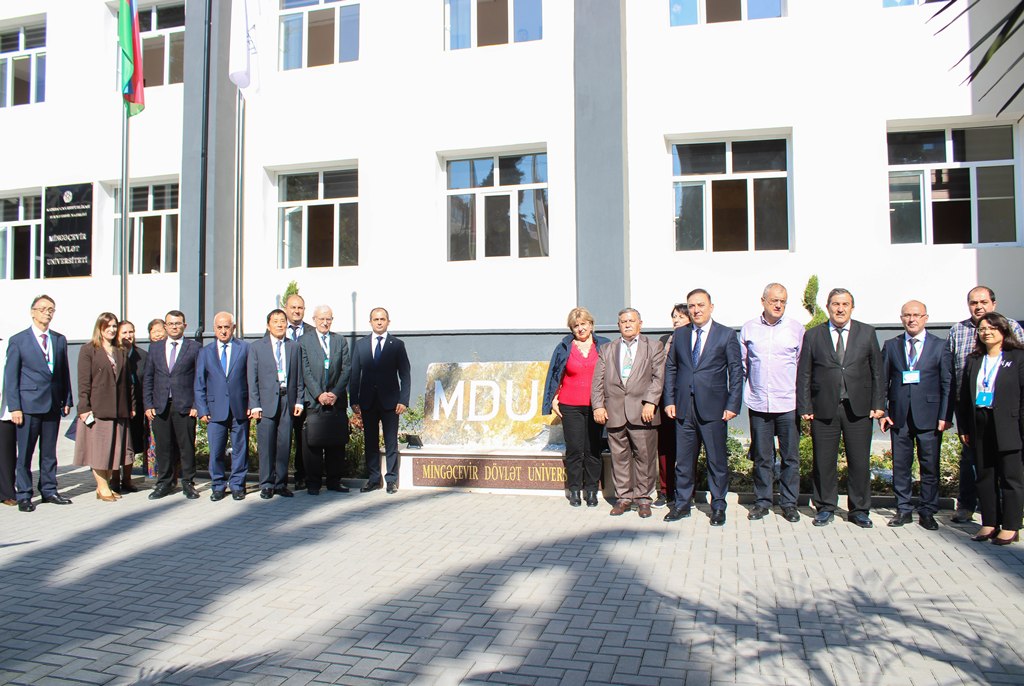
On October 22–24, 2026, the International Conference on Cascade Failure Risks in Earth Dams (RISK-2026) was held in Baku and Mingachevir, Azerbaijan. Bringing together scholars and researchers from various countries, the international event continued at Mingachevir State University (MSU) on October 23 with panel discussions and scientific parallel sessions.
The conference was jointly organized by Mingachevir State University and the Institute of Geography under the Ministry of Science and Education of the Republic of Azerbaijan, in partnership with AMIR Technical Services Company, the European Safety and Reliability Association (ESRA), Tbilisi State University (Georgia), the Southeast Asian Institute of Water Resources and Environment (Vietnam), Politecnico di Milano (Italy), and the International Commission on Irrigation and Drainage (ICID).
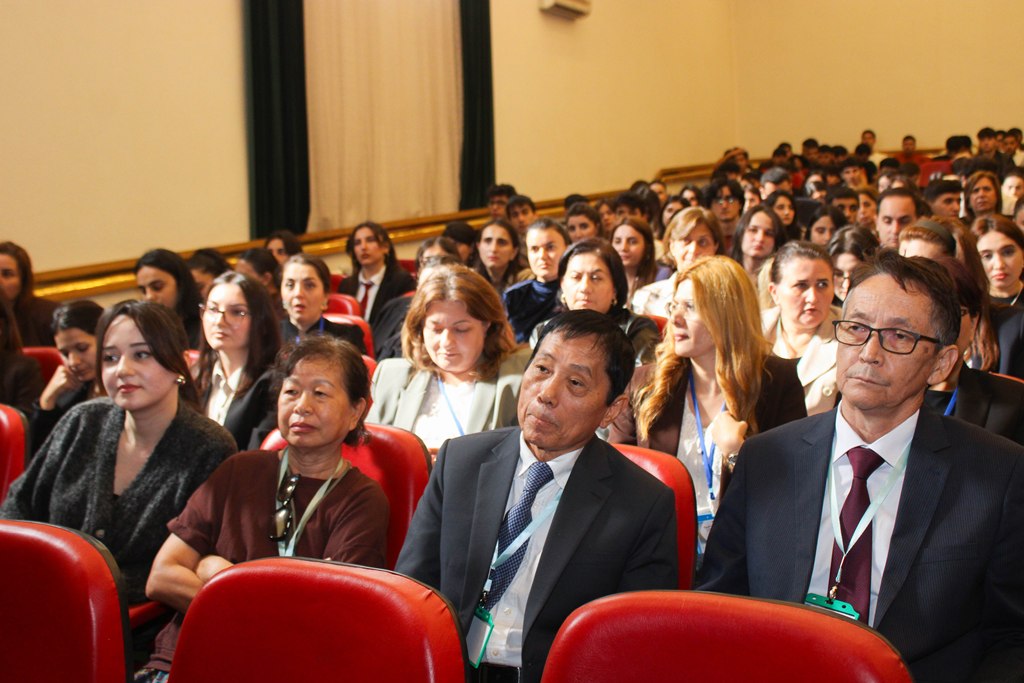
With the participation of scholars and researchers from 16 countries and the presentation of 110 scientific research papers, the conference served as an important international platform for discussing scientific approaches and innovative technological solutions related to sustainable water resources management, the safety of hydraulic engineering structures, the assessment of environmental and socioeconomic risks arising from climate change, and disaster prevention. The event contributed to bringing together scientific expertise from different countries, facilitating the exchange of best practices, and promoting joint research initiatives aimed at addressing regional challenges.
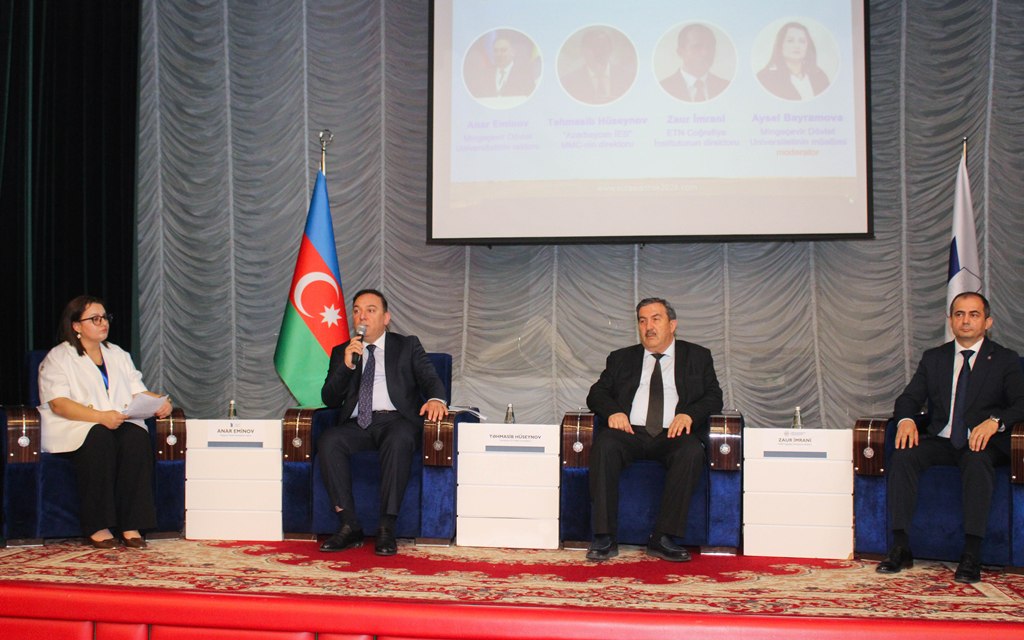
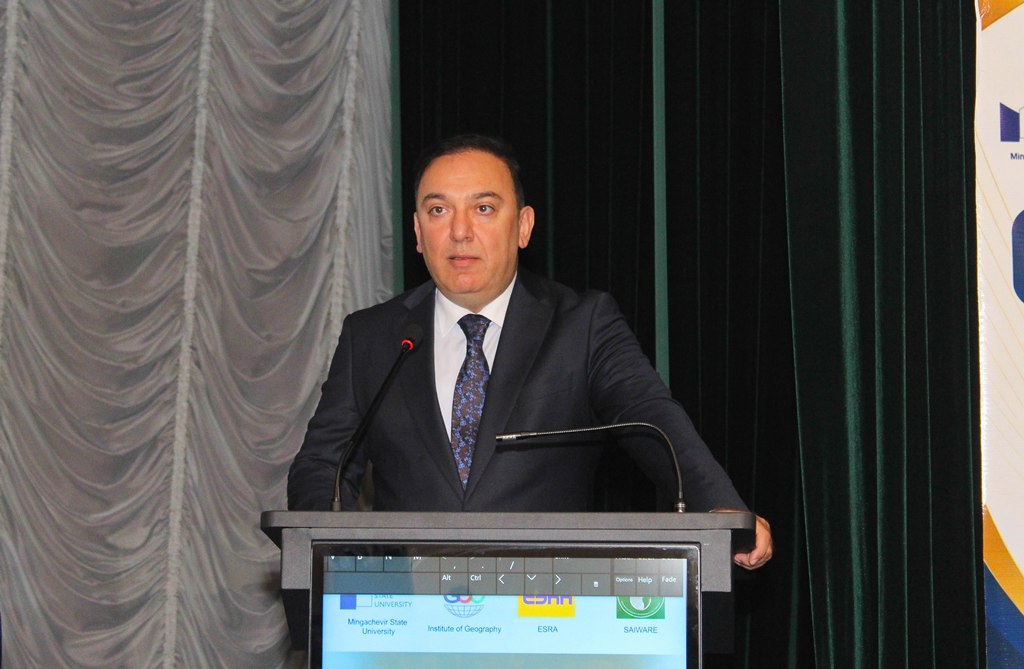
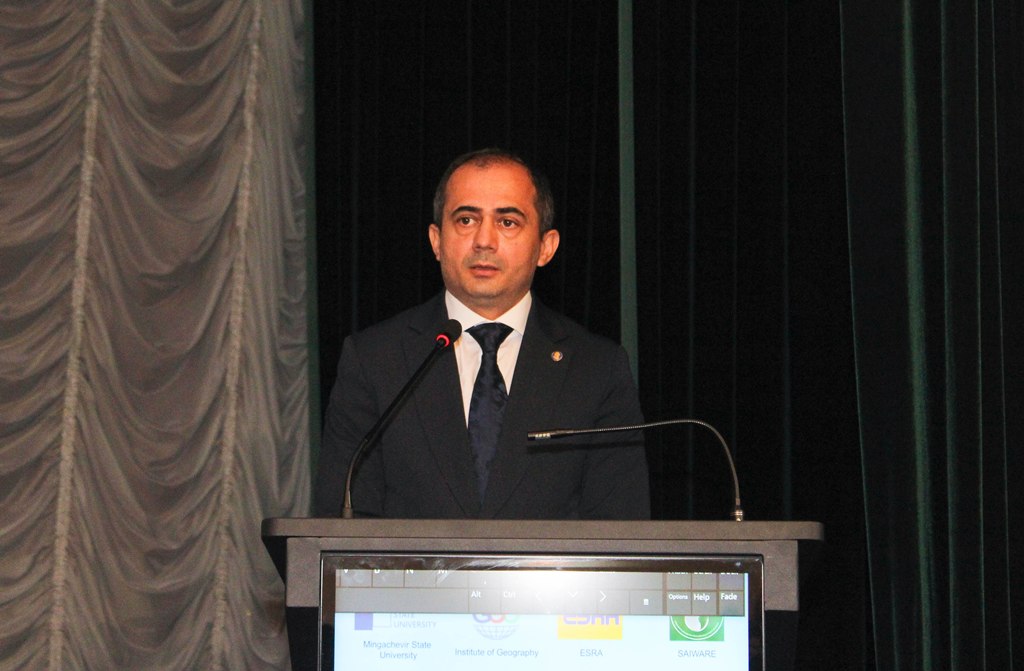
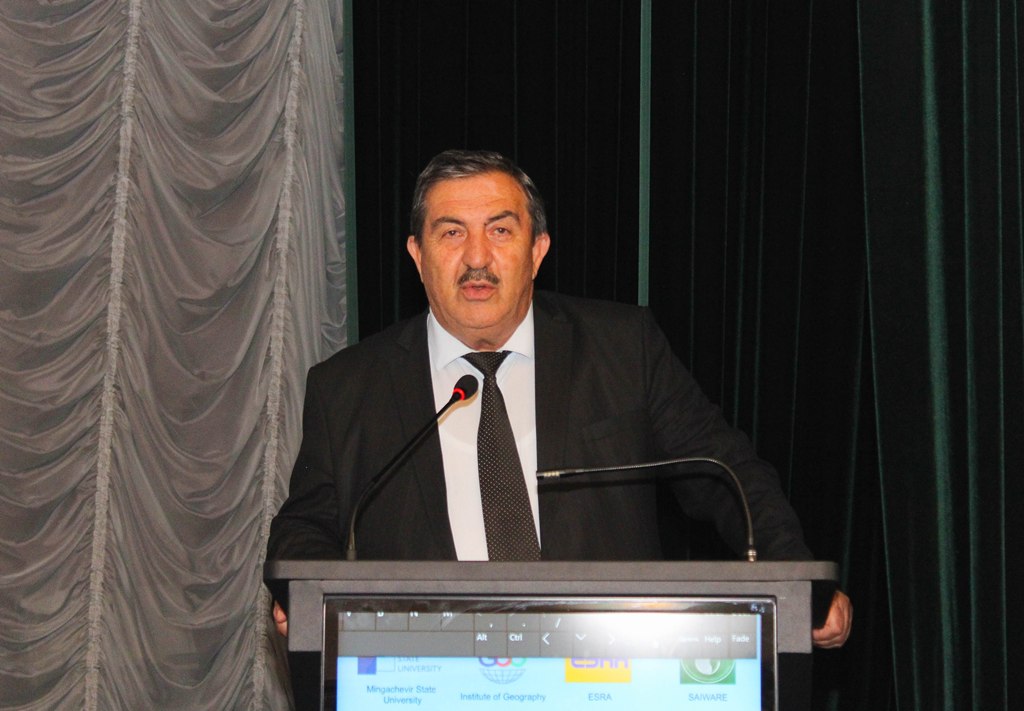
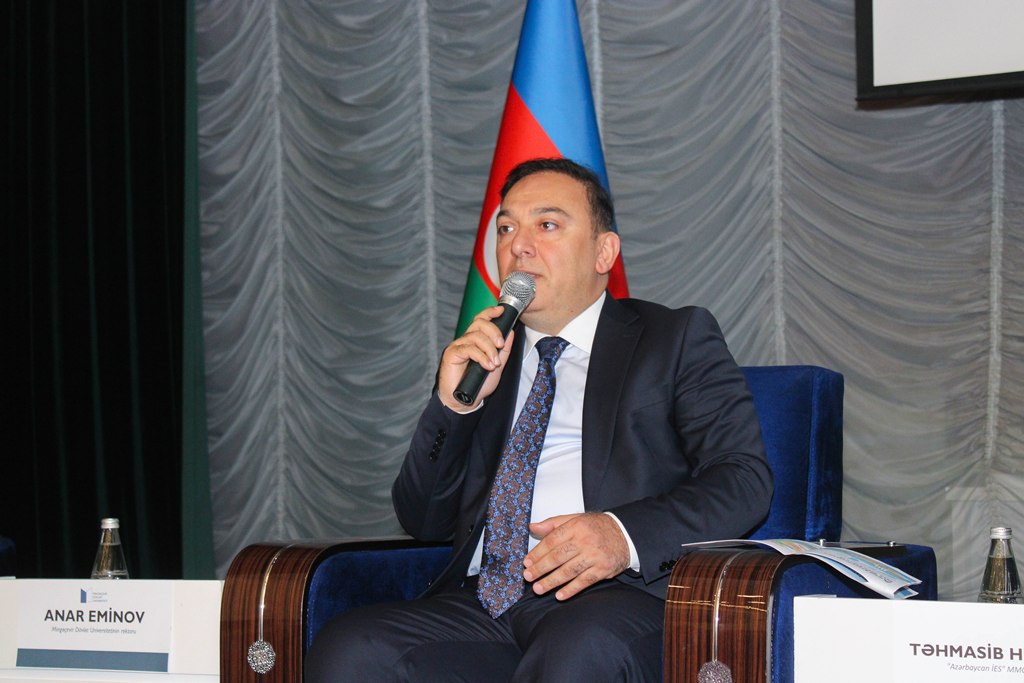
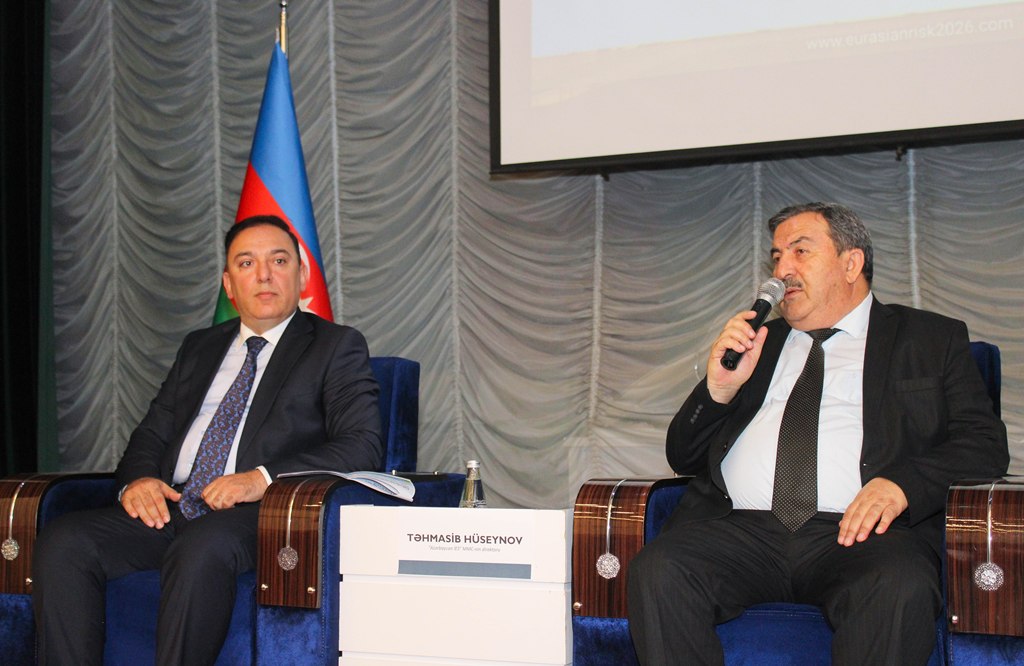
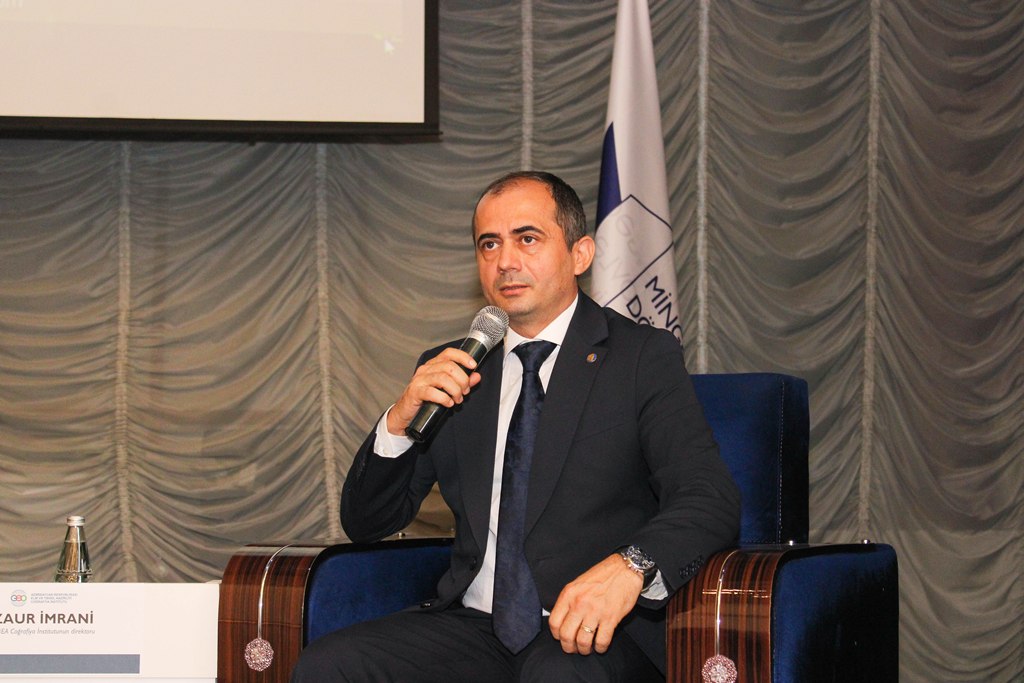
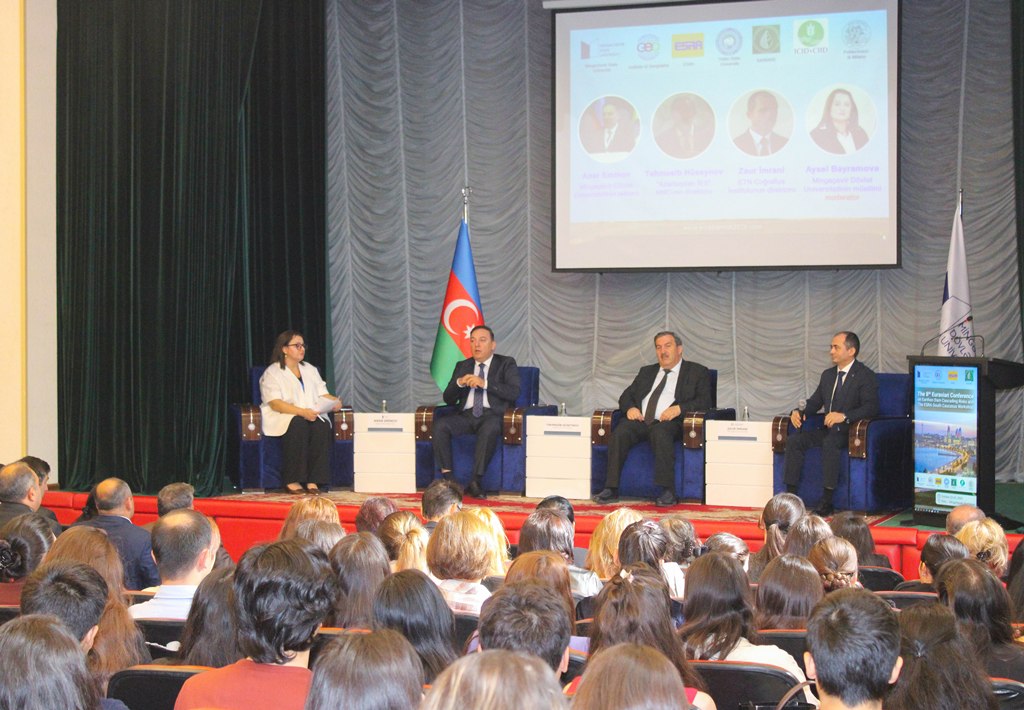
As part of the conference, speeches were delivered by Anar Eminov, Rector of Mingachevir State University; Tahmasib Huseynov, Director of Azerbaijan Thermal Power Plant LLC; and Zaur Imrani, Director of the Institute of Geography. Their remarks highlighted the scientific significance of the conference, the importance of ensuring the safety of water and energy infrastructure, risk assessment in the context of climate change, and the need to strengthen international scientific cooperation.
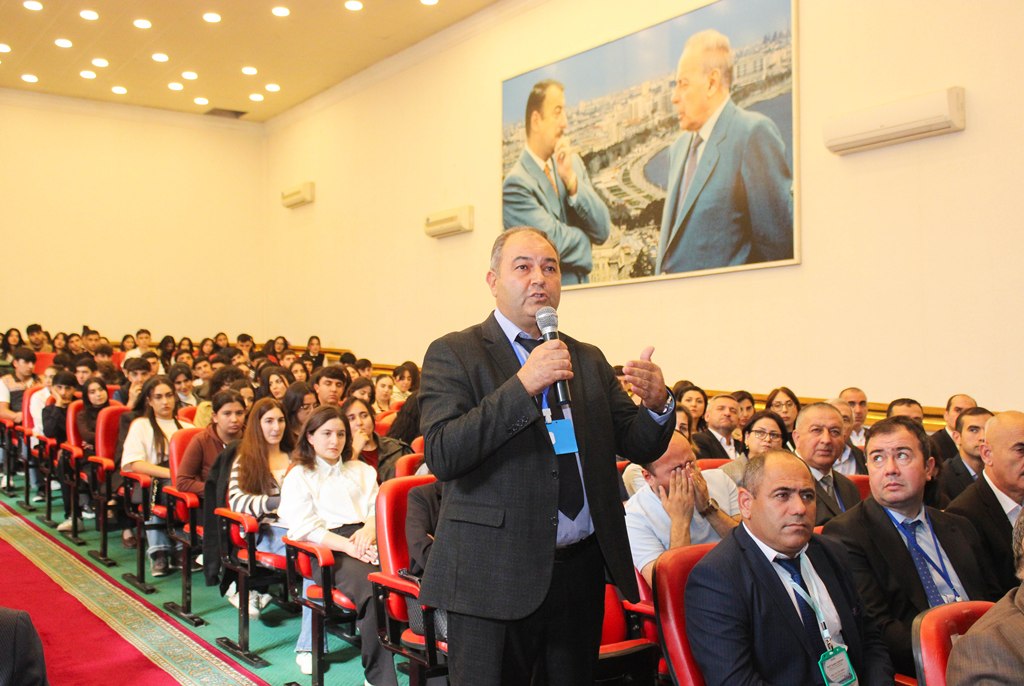
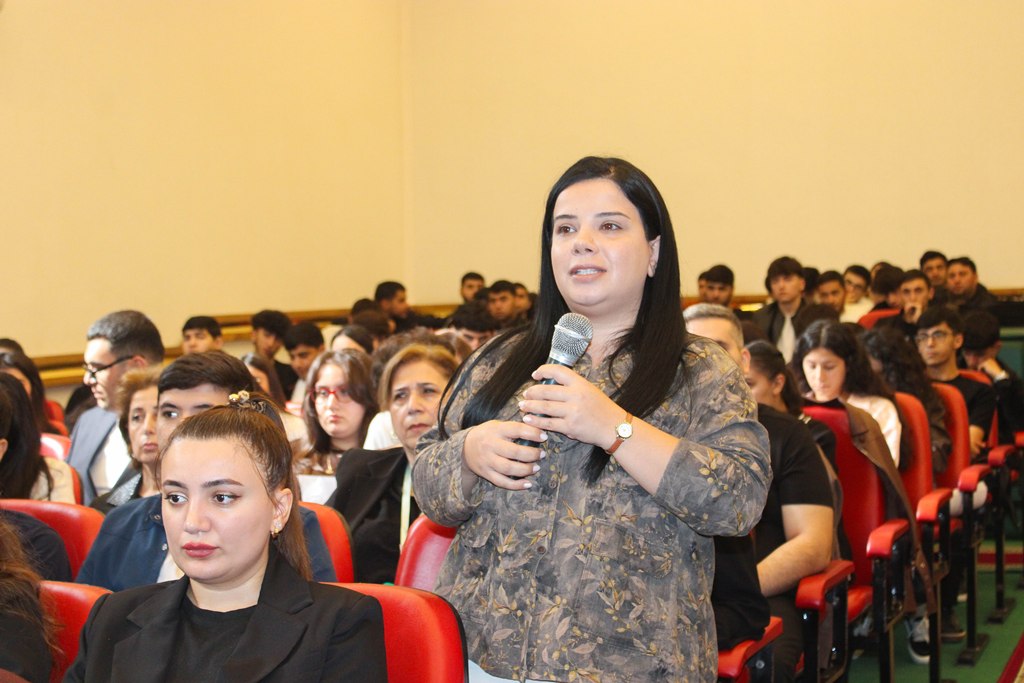
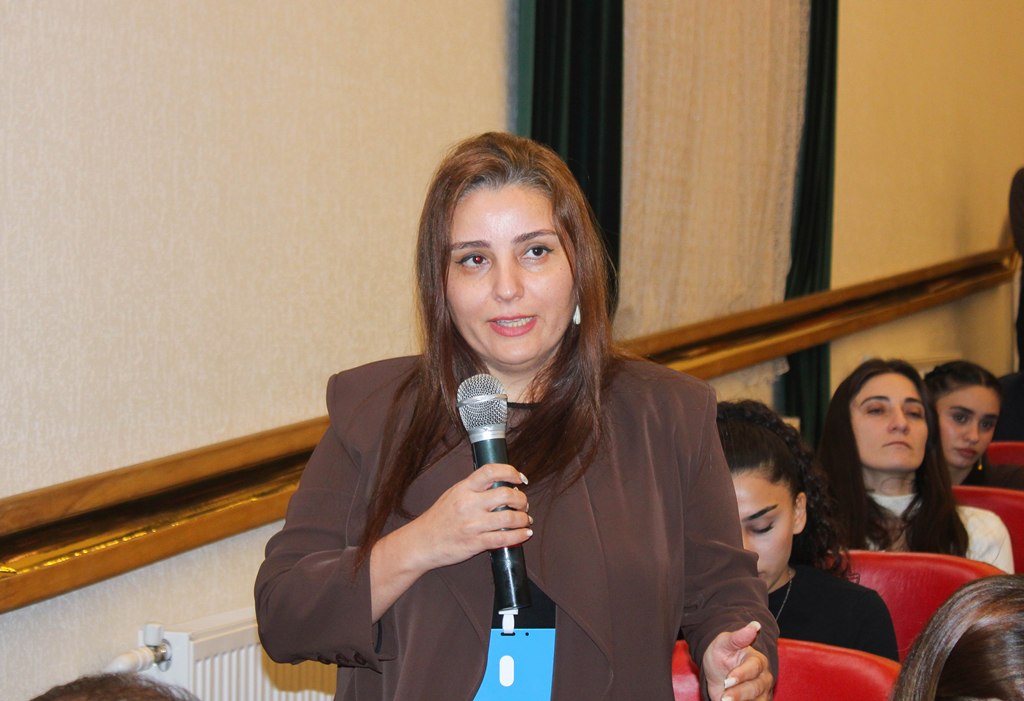
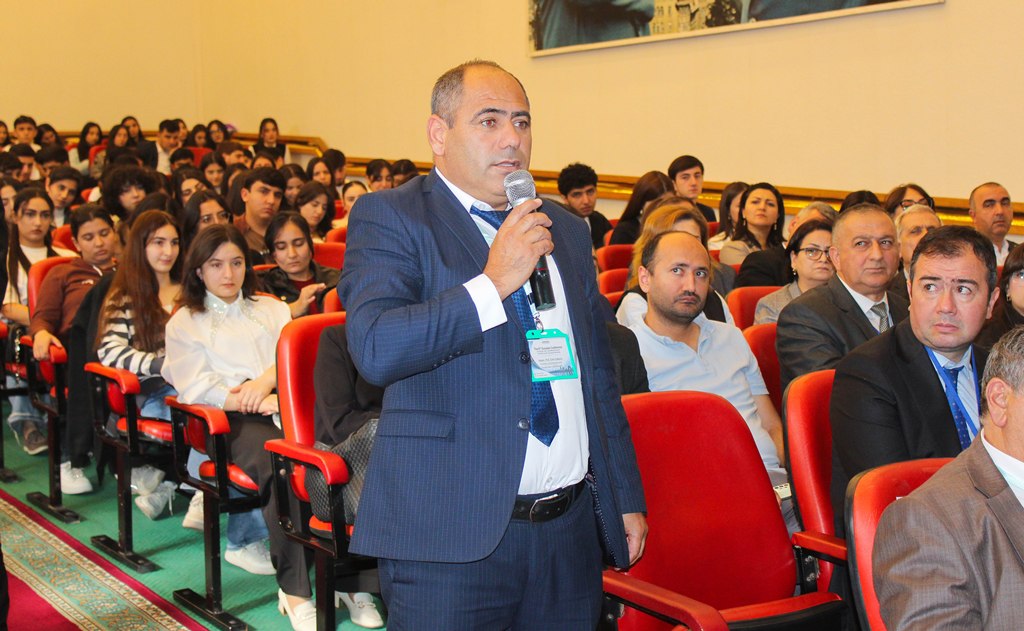
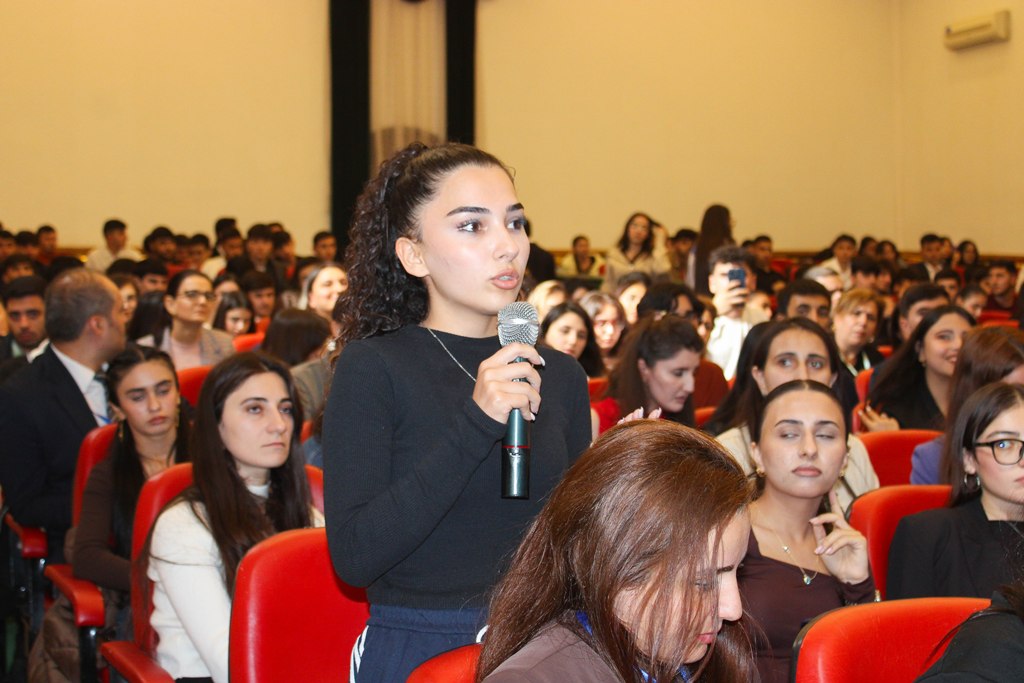
The event also featured a panel discussion entitled “The Future of Water Security in Mingachevir.” The panel brought together MSU Rector Anar Eminov, Director of the Institute of Geography Zaur Imrani, and Director of Azerbaijan Thermal Power Plant LLC Tahmasib Huseynov as speakers. The discussion focused on the future prospects of water security in Mingachevir, efficient water resources management, the reliability of hydraulic engineering structures, and the mitigation of environmental risks. Participants exchanged views on these issues, and questions from the audience were addressed.
During the scientific parallel sessions, scholars and researchers representing different countries presented their research findings. The presentations covered a wide range of relevant topics, including dam reliability and the modelling of cascade failure risks, flood risk assessment in the Kura–Aras River Basin, the impacts of climate change on water resources, early warning systems based on artificial intelligence and machine learning, environmental safety, and the development of sustainable infrastructure. Discussions following the presentations emphasized the practical application of research findings, the potential of modern technologies in risk management, and the importance of interdisciplinary cooperation.
Hosting the international conference in Mingachevir provided an opportunity to bring the city’s pressing water and energy infrastructure challenges, as well as its scientific research potential, to the forefront of international discussions. By bringing together representatives of universities, research institutions, and industry, the event strengthened opportunities for cooperation in connecting scientific knowledge with the needs of the real sector and developing research-based solutions to regional challenges.
One of the significant anticipated outcomes of the conference is the planned publication and indexing in the Scopus database of 30 selected research papers that have successfully passed expert peer review.