
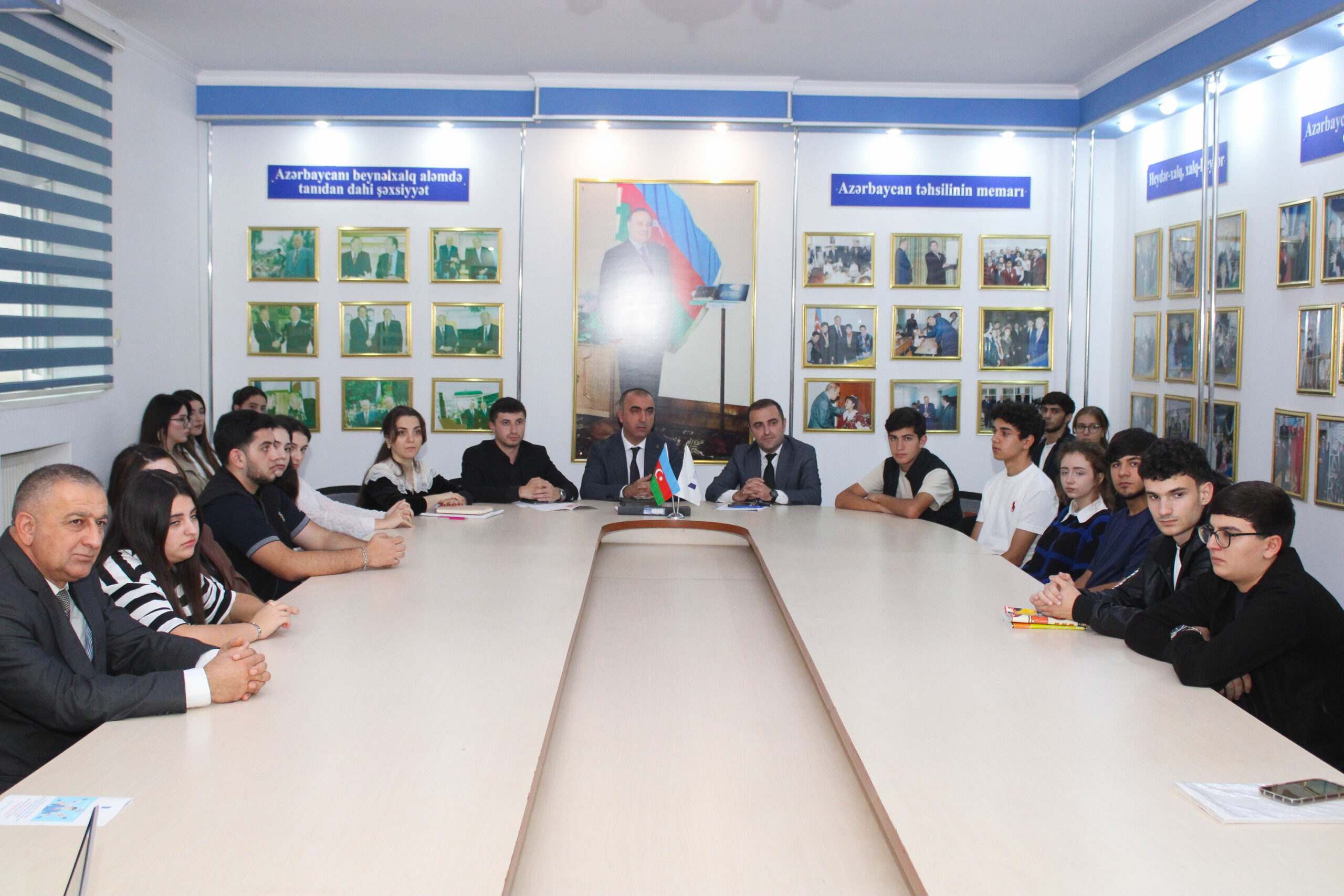
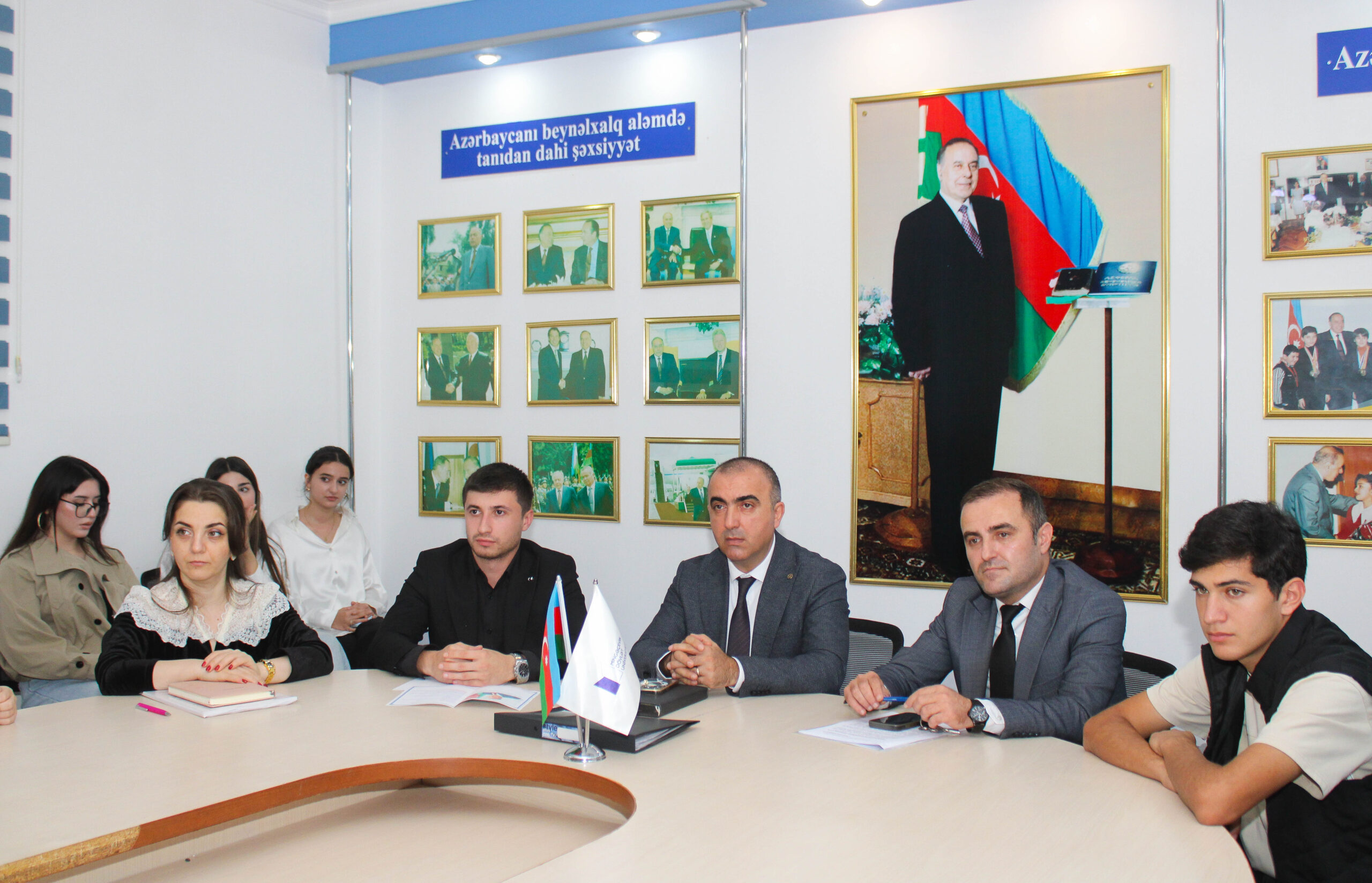


On October 22, 2026, Mingachevir State University (MSU) hosted a scientific-practical seminar entitled “Say No to Corruption!” within the framework of the “National Action Plan for Strengthening the Fight Against Corruption for 2022–2026.”
The main purpose of the seminar was to raise awareness of anti-corruption efforts, highlight the importance of transparency and accountability, enhance legal knowledge, and contribute to the development of a culture of ethical conduct. The event also addressed the promotion of integrity in the educational environment, the advancement of digital governance, and the role of modern approaches in reducing corruption risks.
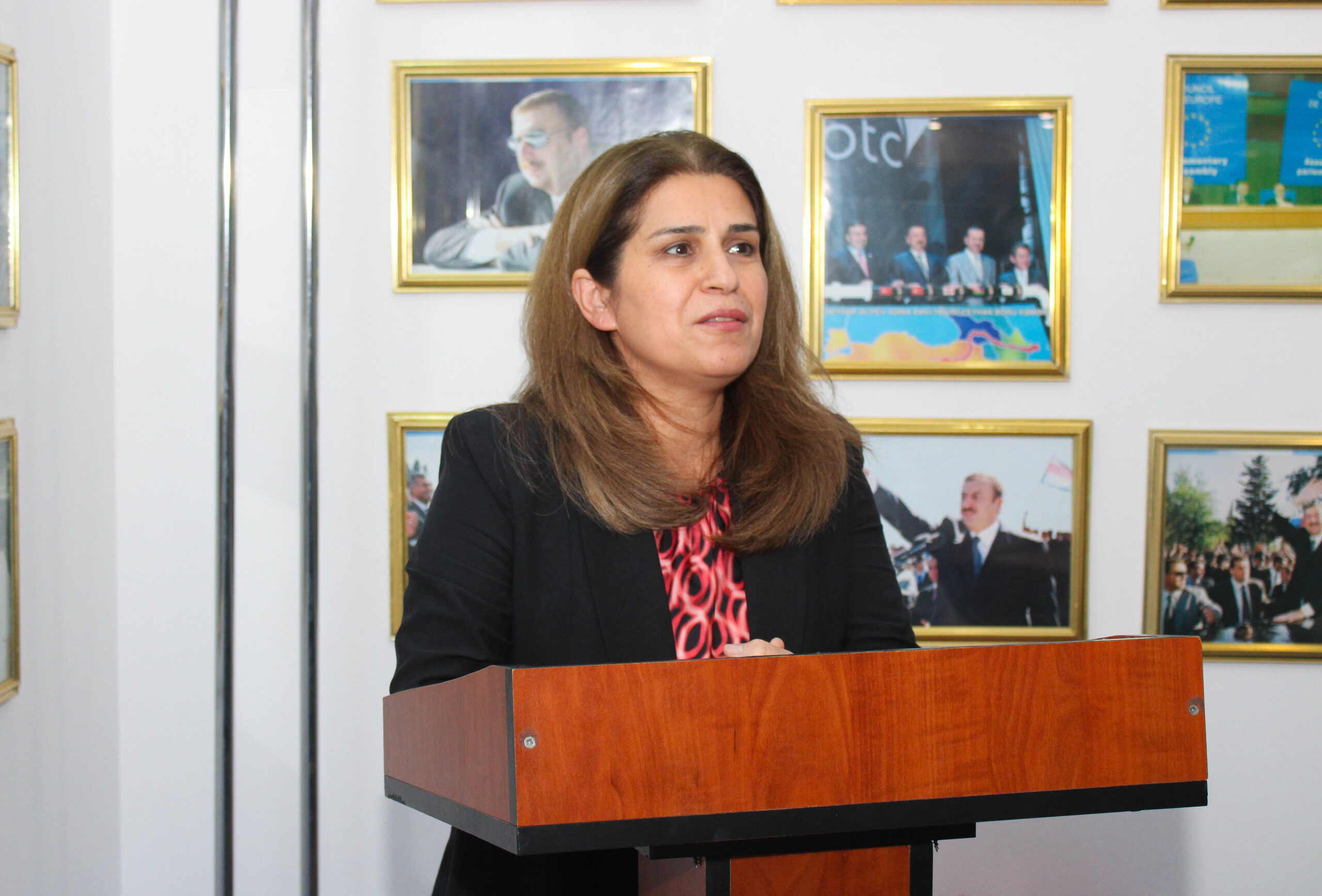
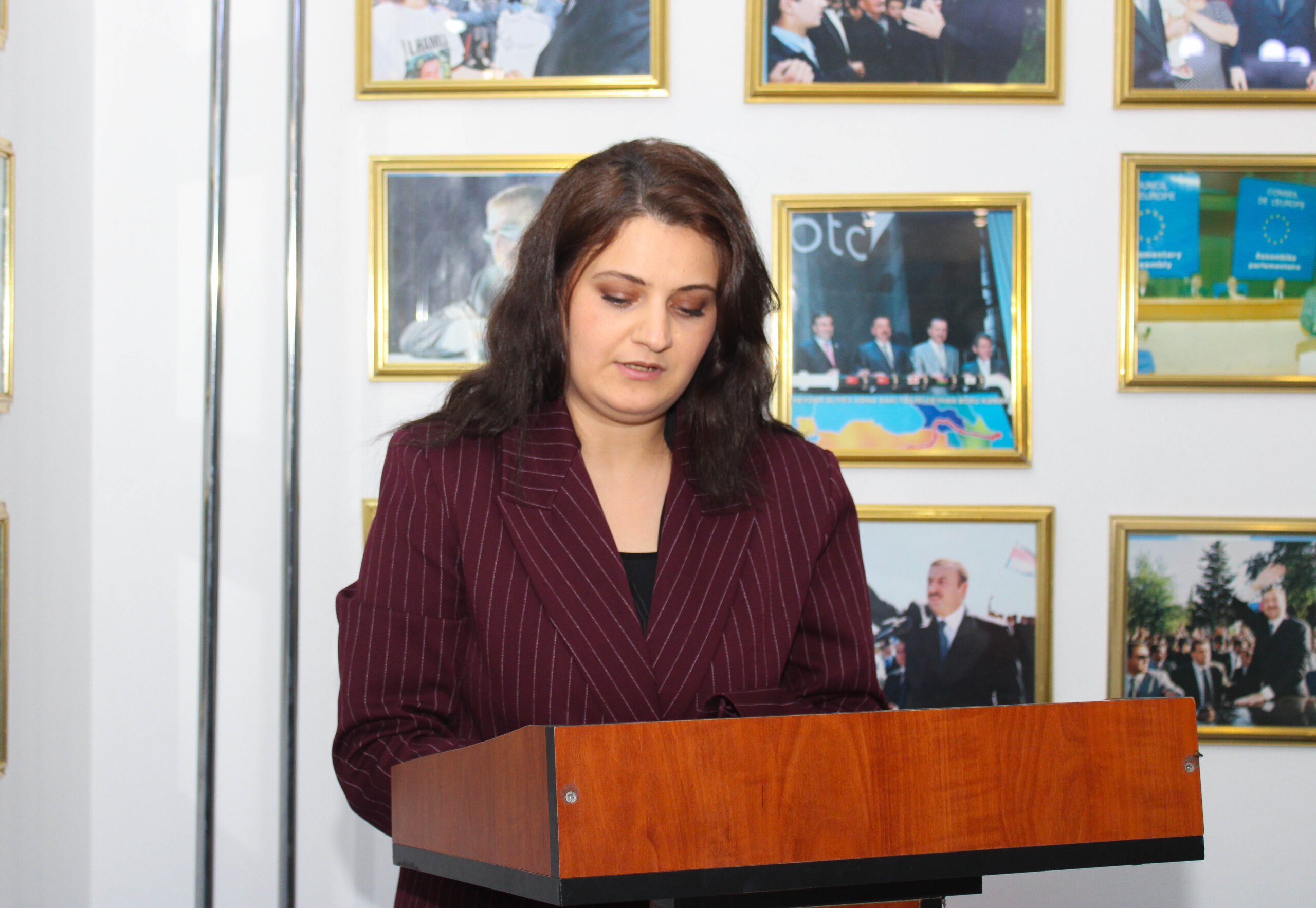
Moderated by Shalala Guliyeva, a lecturer at MSU’s Department of Humanities, the seminar featured presentations covering the legal, social, ethical, and technological dimensions of combating corruption.
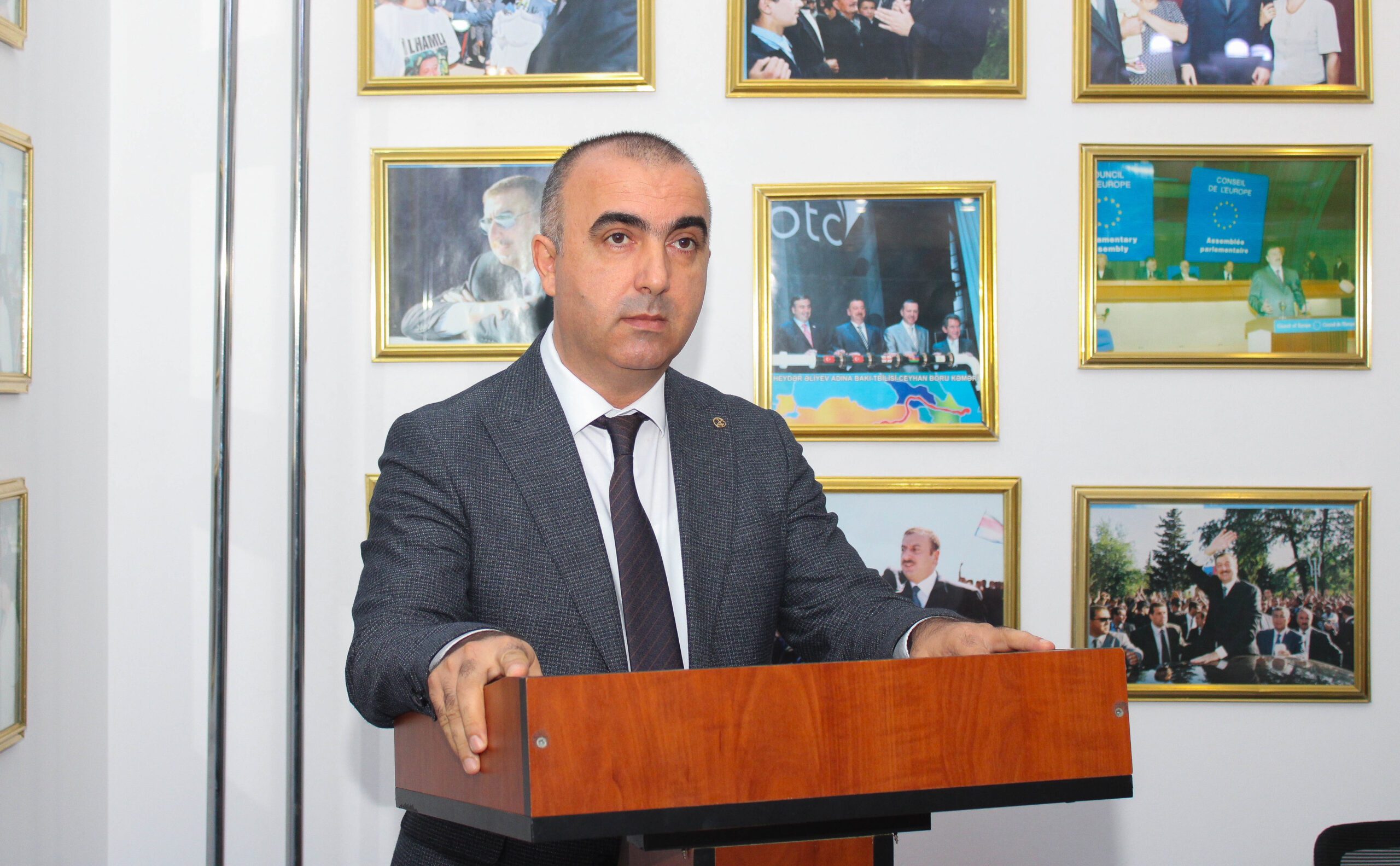
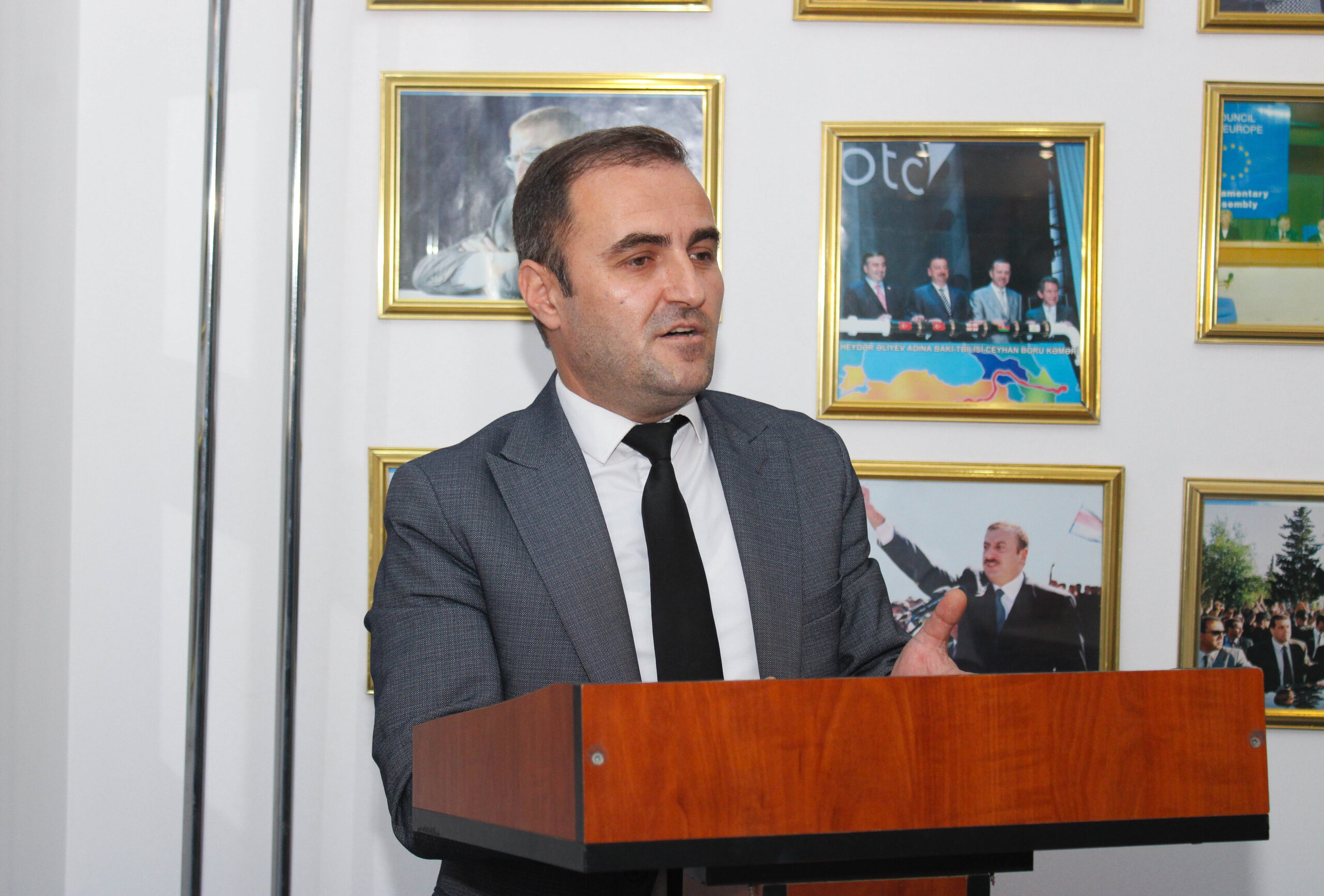
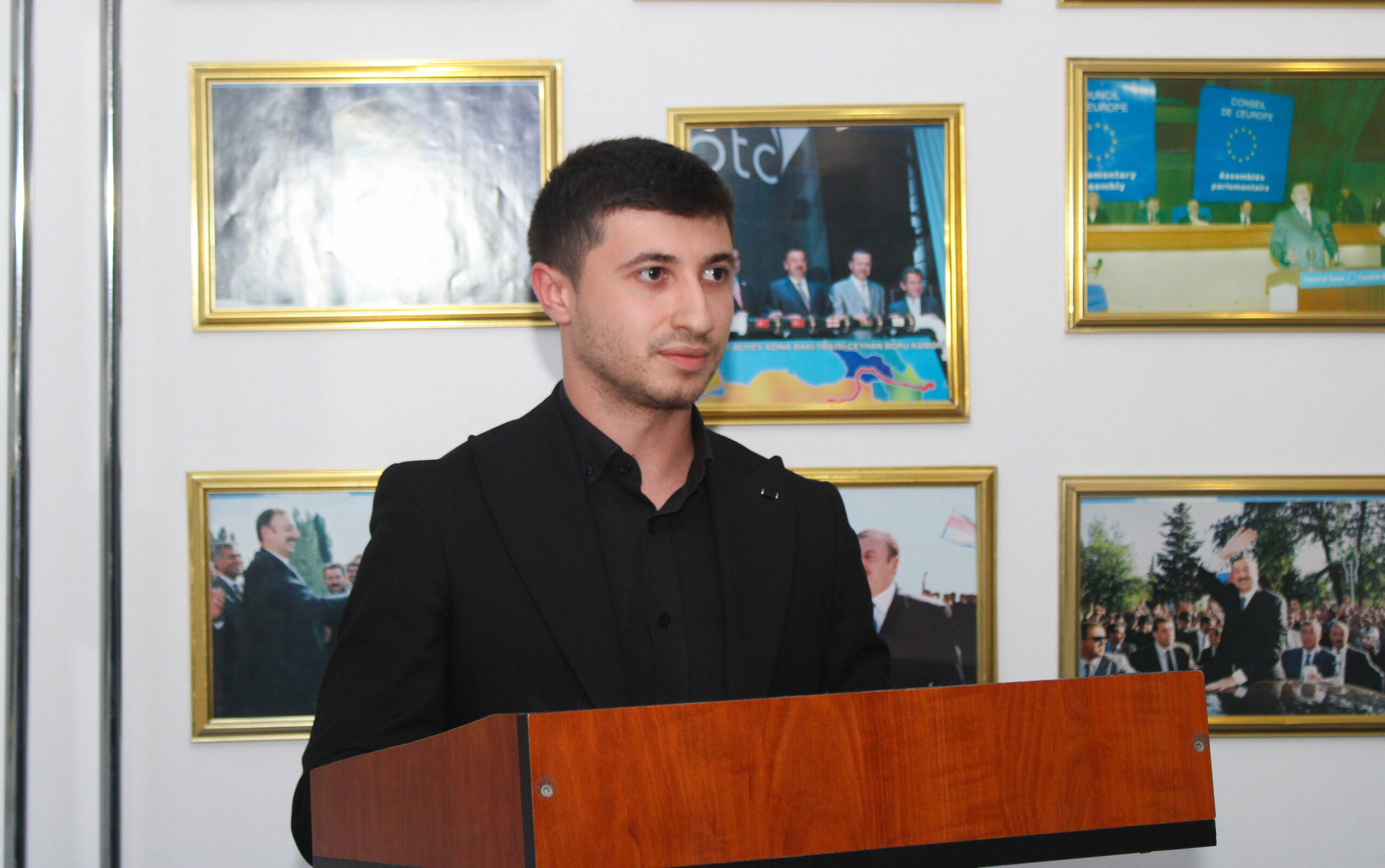
Polad Atayev, Legal Counsel at MSU, delivered a presentation entitled “Anti-Corruption Behaviour Model and Legal Approaches to Combating Corruption,” highlighting the importance of legal mechanisms, ethical standards, and individual responsibility in preventing corruption. The presentation emphasized that ensuring the rule of law, strengthening public oversight, and fostering zero tolerance for corruption play a crucial role in developing a transparent governance system.
Shahin Mashayev, Head of the Department of Academic Organization and Management at the University, delivered a presentation on “Ensuring Transparency in Educational Services.” He emphasized the importance of maintaining objectivity, equal opportunities, and accountability in the organization of the educational process. The presentation also addressed how improving access to educational services, upholding academic integrity, and implementing transparent management mechanisms contribute to creating a high-quality educational environment.
Konul Aydin, Senior Lecturer at MSU’s Department of Humanities and PhD in Law, delivered a presentation entitled “The Fight Against Corruption in Azerbaijani Literature,” discussing the role of literature in promoting moral values, justice, and integrity in society. Highlighting how Azerbaijani literature reflects a critical attitude towards social injustice, bribery, and abuse of power, the speaker emphasized the significance of literary heritage in the moral education of younger generations and the development of civic responsibility.
Sarkhan Movsumov, Head of the University’s Digital Transformation Department, addressed issues related to enhancing knowledge and skills in digitalization, the digitalization of public services, and the transition from paper-based service delivery to data-driven service models. The presentation highlighted the opportunities offered by digital technologies to increase transparency in management processes, reduce risks associated with human factors, and improve service efficiency. It was also noted that expanding electronic services contributes to the efficient use of resources, reduced paper consumption, and the development of environmentally responsible management practices.
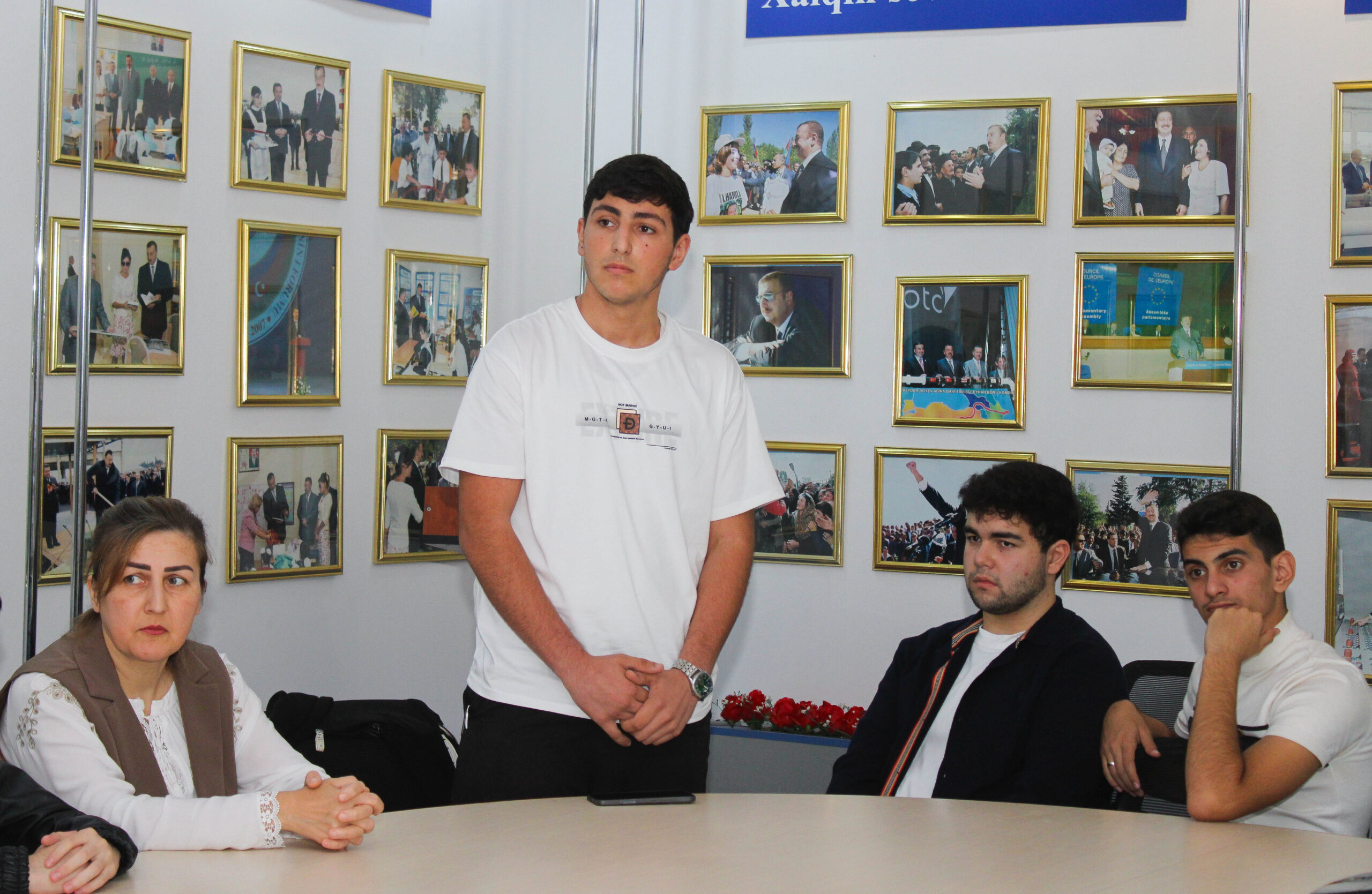
During the seminar, it was emphasized that combating corruption is not limited to legal mechanisms alone and that the interconnection of education, public awareness, moral values, and digital innovation plays a significant role in this process. Participants exchanged views on approaches to establishing a transparent and inclusive governance environment, safeguarding equal opportunities in educational services, and strengthening institutional responsibility.
At the conclusion of the event, the importance of active civic engagement, continuous legal awareness-raising, and the effective use of modern governance tools in fostering a culture of zero tolerance for corruption was highlighted.
Scientific-practical seminars of this kind are important in promoting academic integrity, transparency, and social responsibility at Mingachevir State University, strengthening the principles of quality education and effective governance, and contributing to the development of a sustainable and just society.