
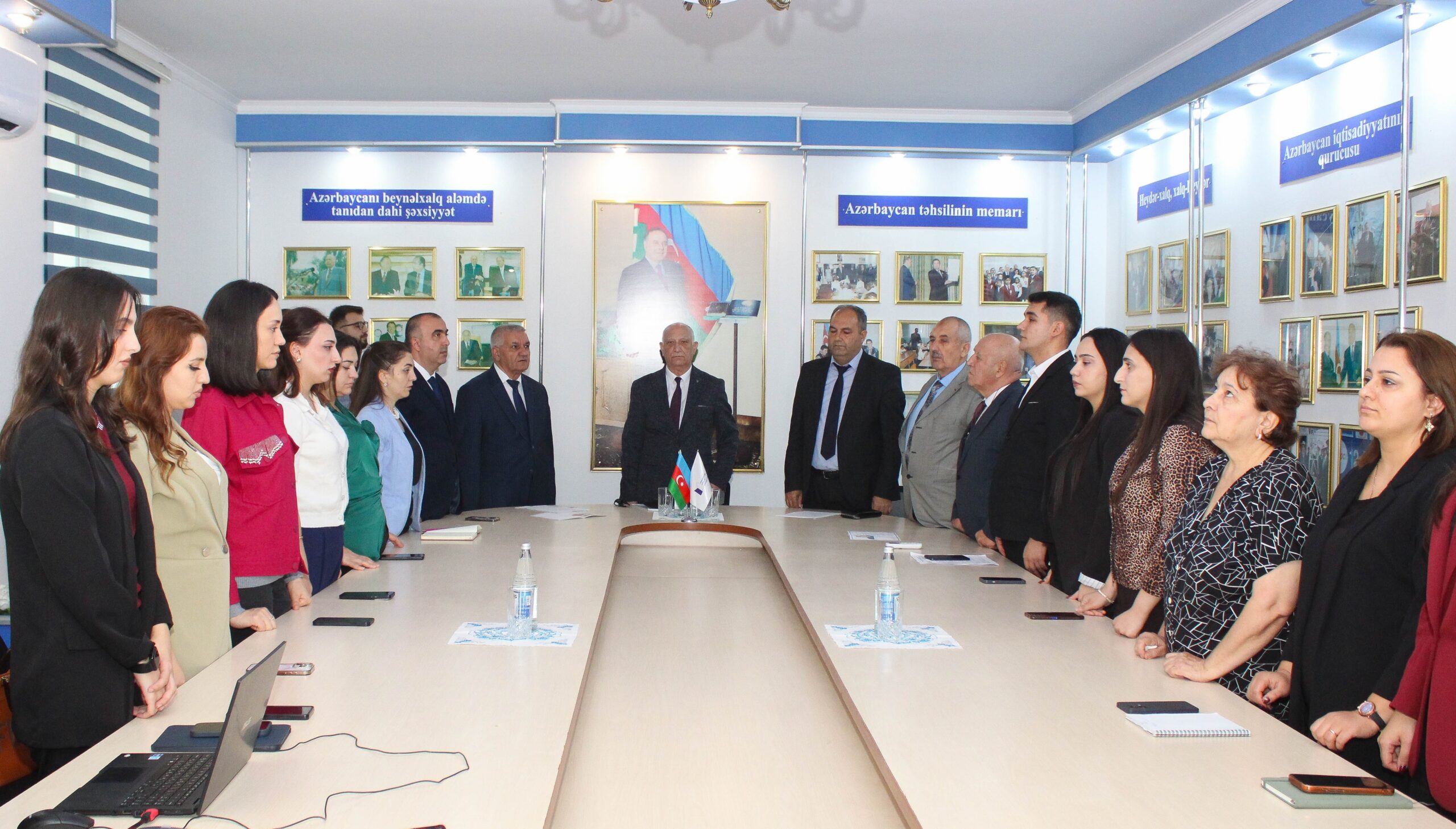
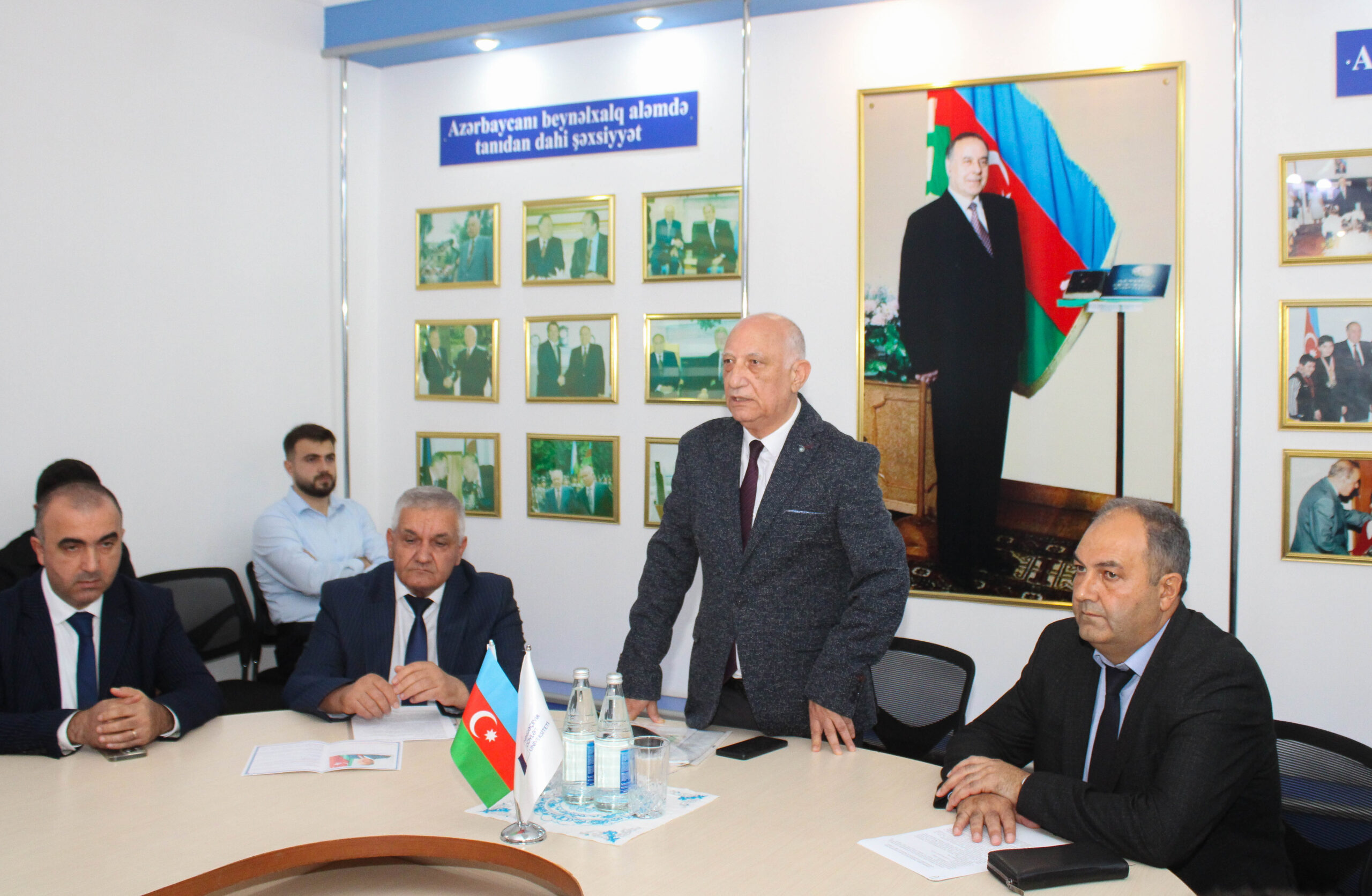

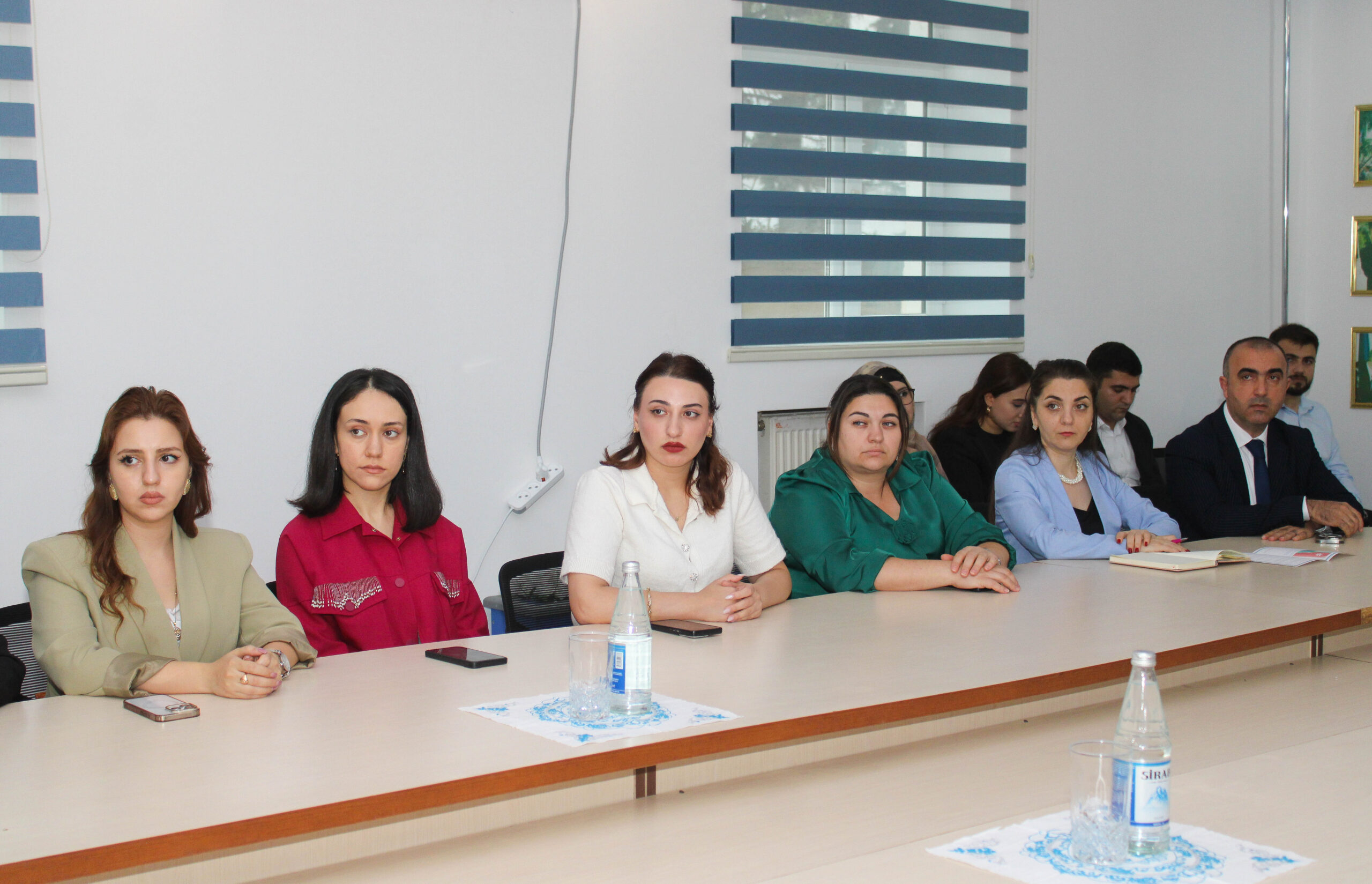
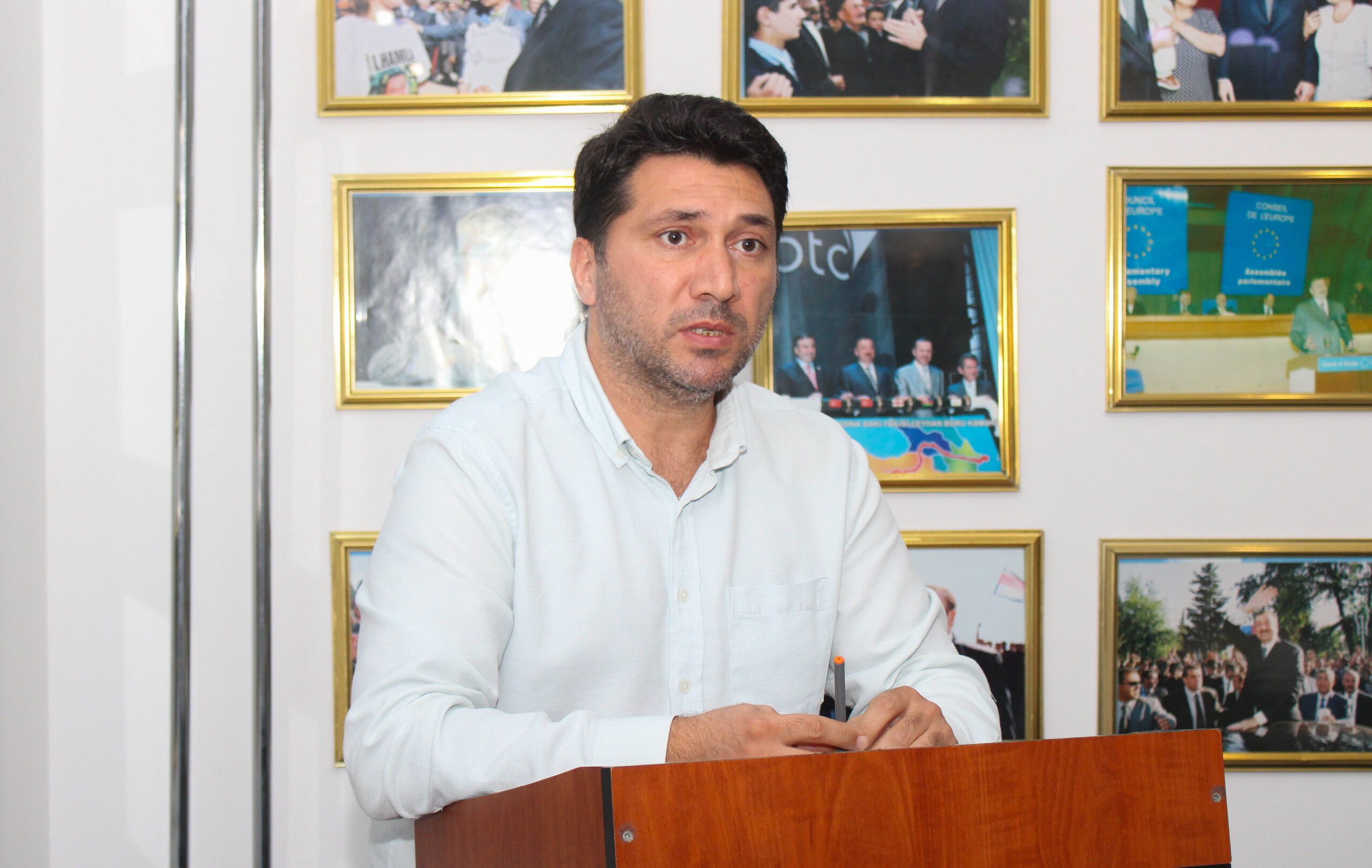
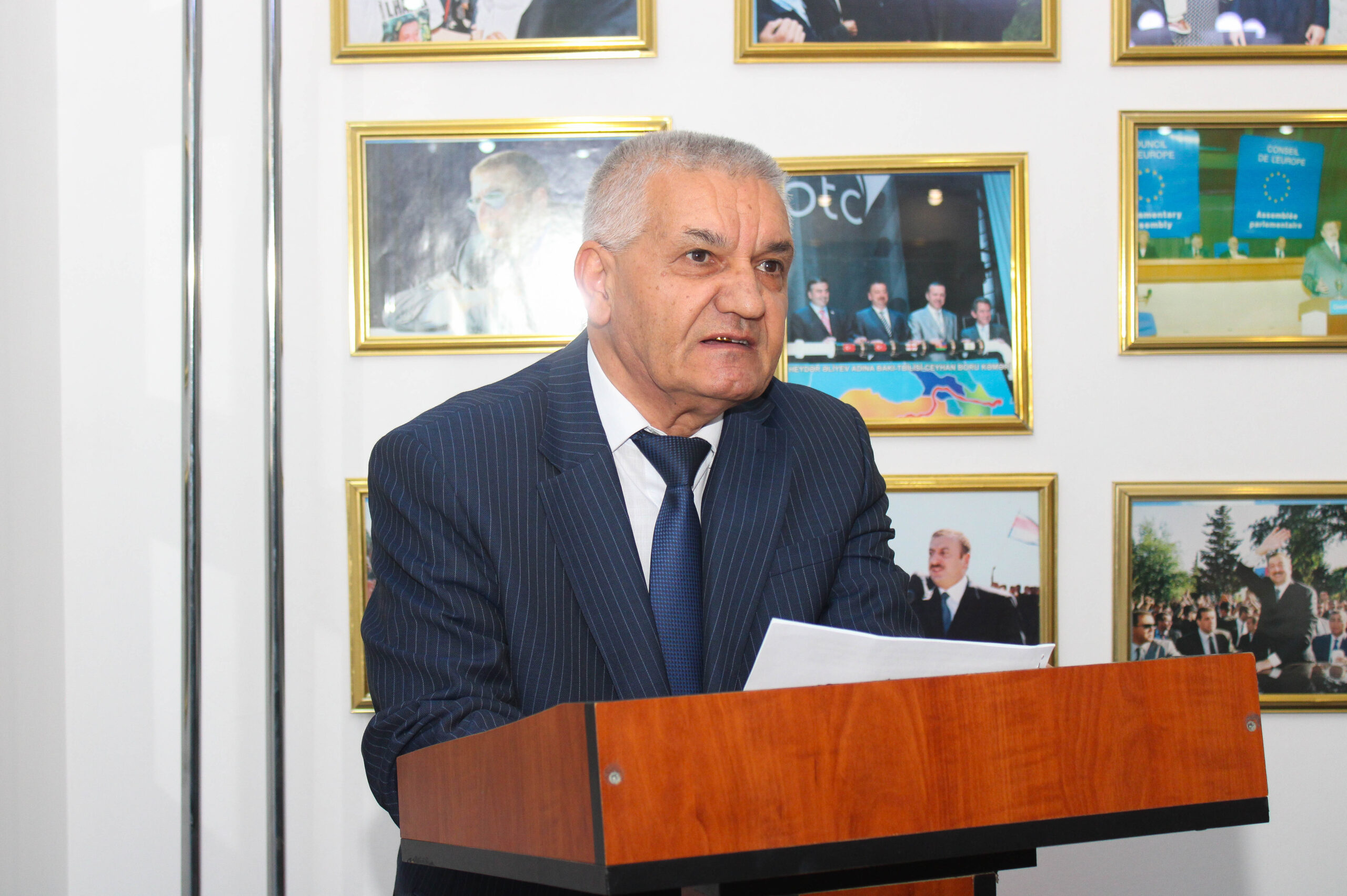

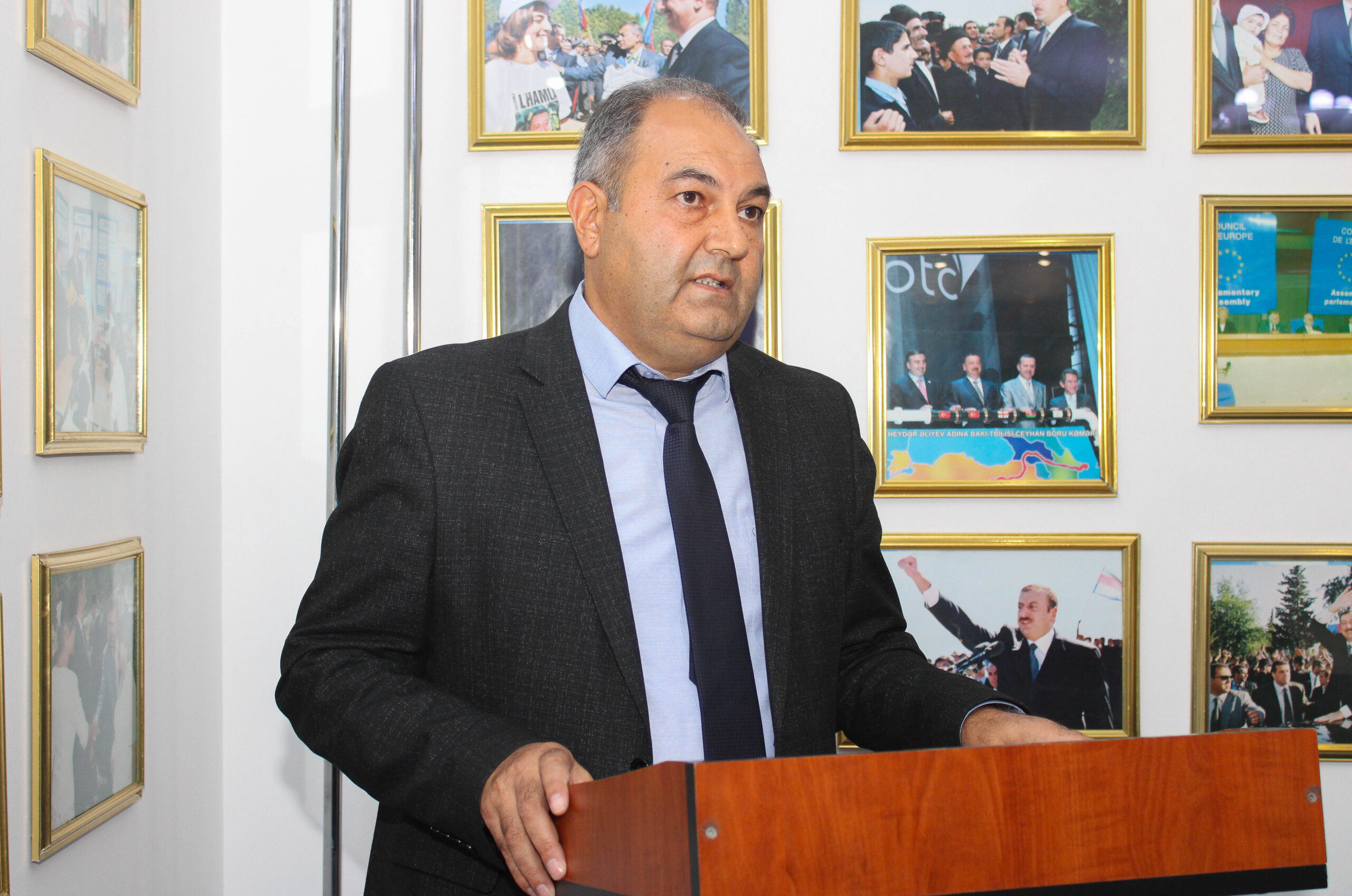

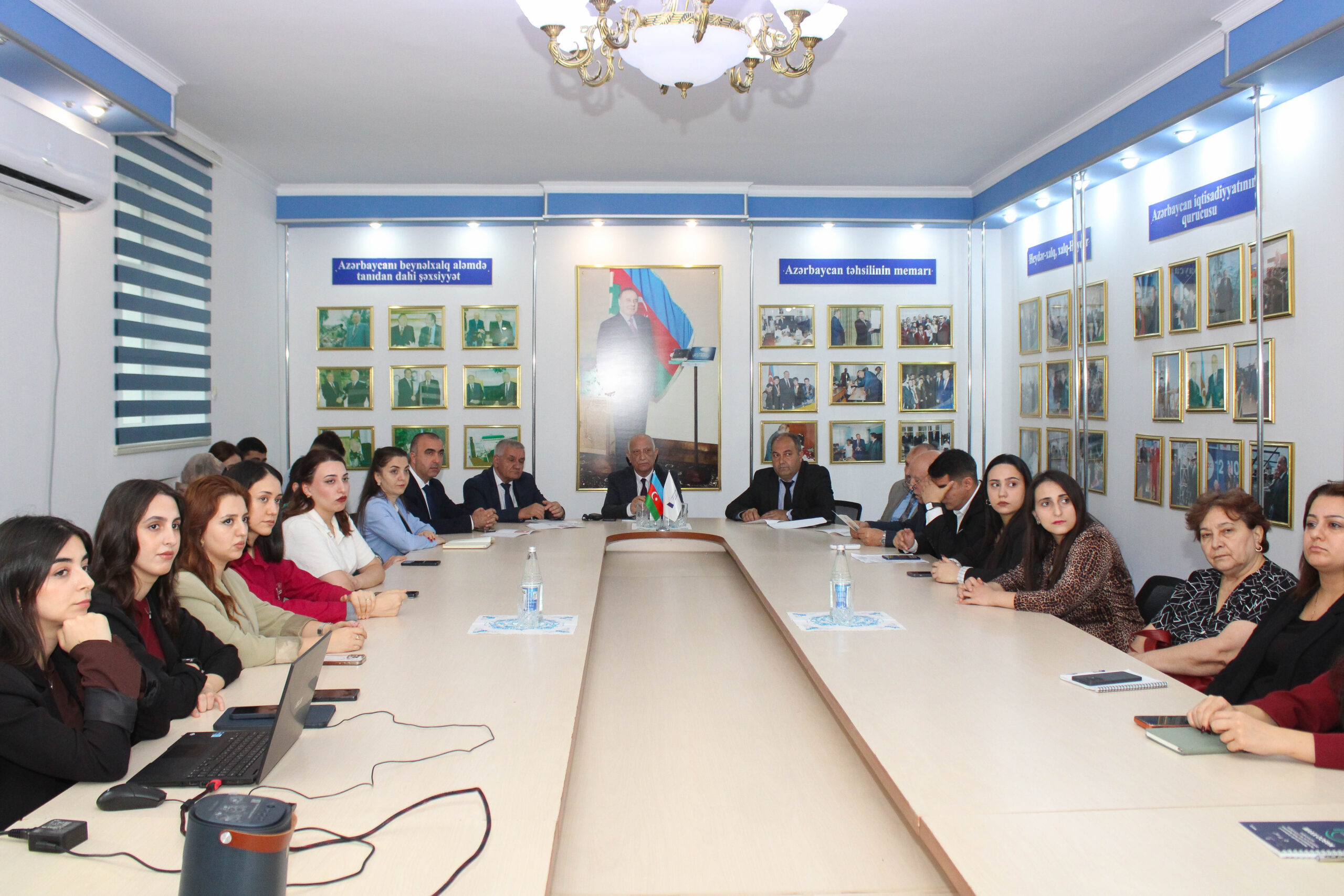

On 21 October 2026, a roundtable on “The formation of state policy and legal regulation in urban planning” was held at Mingachevir State University (MDU) within the framework of the “Year of Urban Planning and Architecture.”
The main purpose of the event was to discuss the priority areas of modern urban planning policy in Azerbaijan, legal regulatory mechanisms in this field, the role of local self-government bodies and the impact of innovative technologies on the development of the urban environment, as well as to promote scientific and practical approaches to creating sustainable, safe and inclusive cities.
Opening the roundtable with introductory remarks, Veysal Ayyubov, Adviser-Professor at Mingachevir State University, highlighted the important role of urban planning in the country’s socioeconomic development, improving people’s quality of life and creating a modern living environment. He emphasised the importance of planned urban development, expanding infrastructure capacity, maintaining ecological balance and using available resources efficiently. He also noted the necessity of applying scientific approaches and modern management principles to urban planning.
Following the opening address, a video dedicated to the topic was screened.
Huseyn Asgarov, Senior Lecturer at MDU and PhD in Law, delivered a presentation on “The main priorities of modern urban planning policy in Azerbaijan.” The presentation addressed the principal directions of the country’s urban planning policy, the modernisation of urban infrastructure, the efficient planning of residential areas and environmental protection. Particular attention was drawn to the importance of balancing economic, social and environmental factors in urban development, preserving green spaces and creating accessible public spaces for residents.
Zahid Gasimli, a representative of Mingachevir Municipality, spoke on “The role of municipalities in urban planning and the importance of local governance,” discussing the involvement of local self-government bodies in the development of the urban environment. He emphasised the importance of considering residents’ needs, supporting local initiatives, expanding public participation and establishing effective cooperation mechanisms in the management of urban services. The presentation noted that taking local communities’ interests into account in urban planning decisions contributes to creating a more favourable and sustainable living environment.
In his presentation on “The legal foundations of urban planning policy and state regulation,” MDU’s legal adviser Polad Atayev highlighted the legislative framework governing urban planning activities in Azerbaijan, state oversight mechanisms and issues of legal liability. The importance of carrying out urban planning and construction activities in accordance with legislative requirements, complying with legal norms in the use of land and natural resources, and protecting citizens’ right to live in a safe and healthy environment was emphasised.
Mahir Ismayilov, Head of MDU’s Department of Energy Engineering, PhD in Engineering and Associate Professor, delivered a presentation on “The functions and role of the energy sector in urban development management.” He discussed the significance of energy infrastructure for sustainable urban development, ensuring a reliable energy supply and the importance of managing energy resources efficiently. The presentation highlighted how improving energy efficiency, expanding the use of renewable energy sources, reducing environmental impacts and introducing smart energy systems in modern urban planning contribute to the long-term development of cities.
Narmin Ahmadova, a lecturer at MDU, delivered a presentation on “The role of artificial intelligence in the development of smart cities in Azerbaijan.” She discussed the opportunities created by digital technologies and artificial intelligence solutions in modern urban management. The presentation focused on areas such as smart transport systems, the optimisation of energy consumption, waste management, urban infrastructure monitoring and data-driven decision-making mechanisms. It was noted that the application of artificial intelligence technologies enables more efficient resource use, reduces environmental impacts and improves the quality of urban services.
Discussions held during the event emphasised that urban planning policy extends beyond infrastructure development and is closely linked to social equality, environmental safety, innovative management and the creation of favourable living conditions for future generations. The importance of incorporating accessibility, energy efficiency, green infrastructure and digital solutions into urban planning was highlighted in terms of long-term development.
The roundtable continued with an exchange of views and discussions on the topic. Participants highlighted the importance of strengthening cooperation among government agencies, local self-government bodies and higher education institutions in urban planning, connecting scientific knowledge with practical activities and promoting innovative approaches.
Scientific and educational events organised in this area at Mingachevir State University serve to increase legal and public awareness of urban planning, promote sustainable development principles, expand the exchange of knowledge and experience between the university and local governance bodies, and foster environmentally responsible and innovative thinking.