
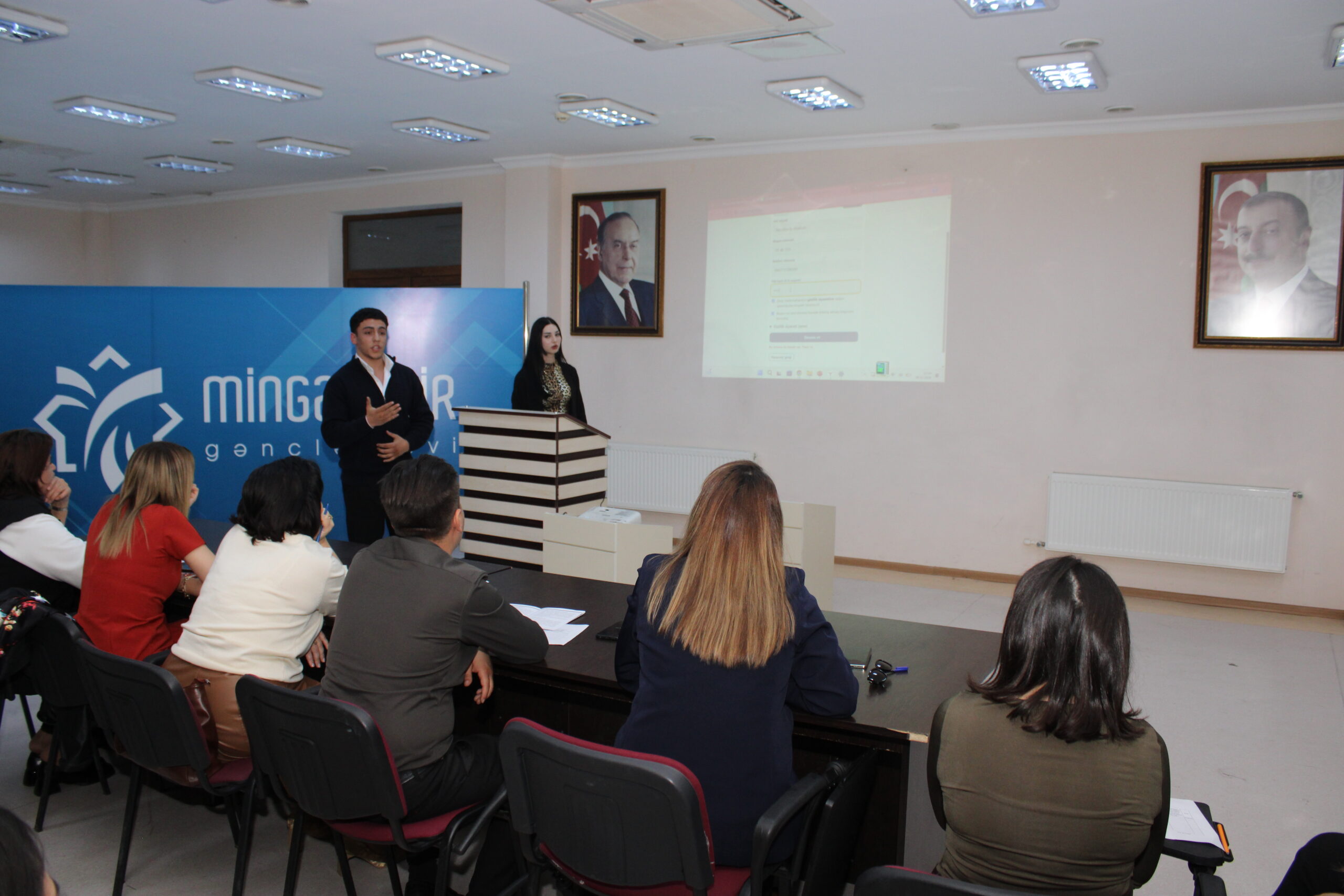
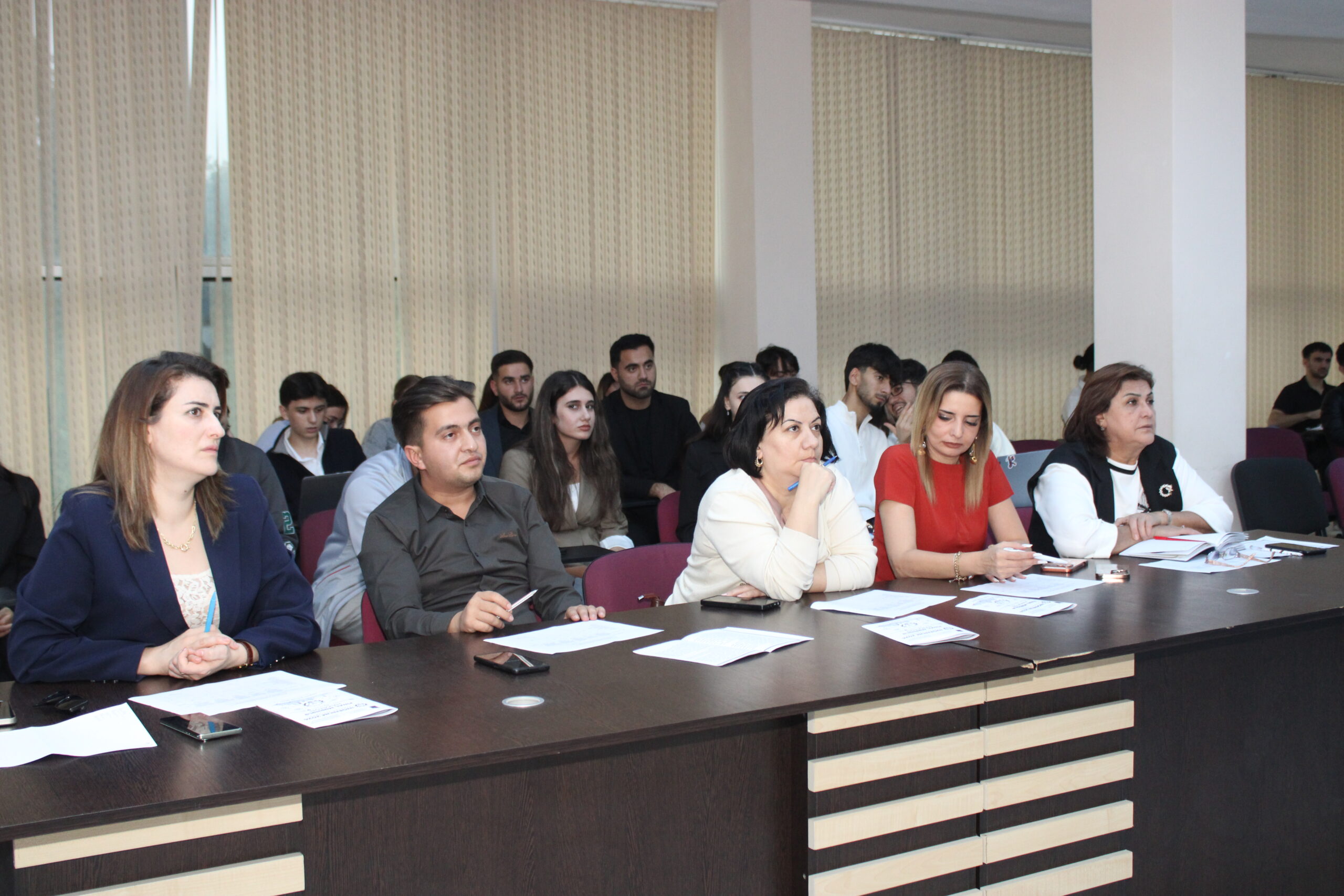
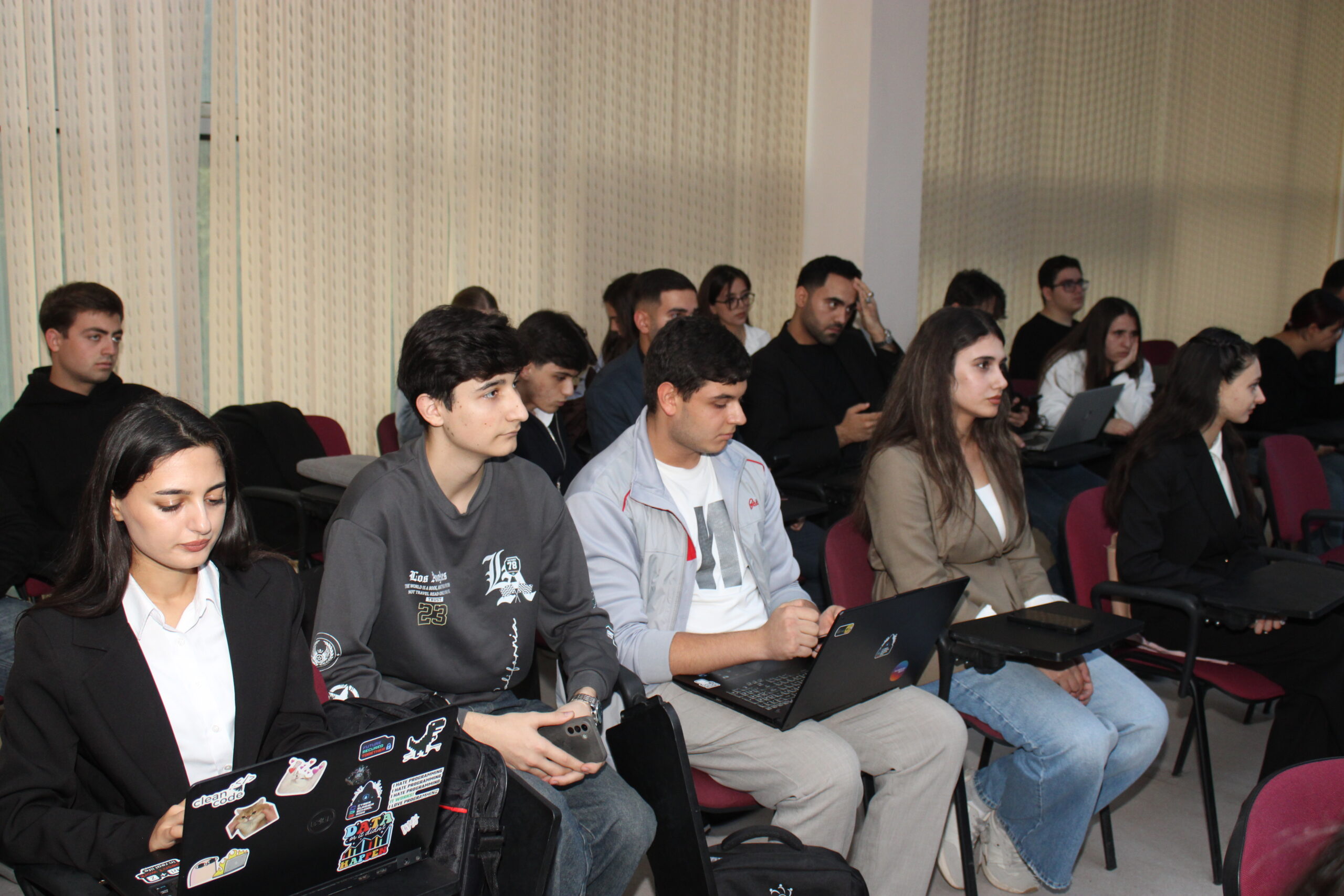
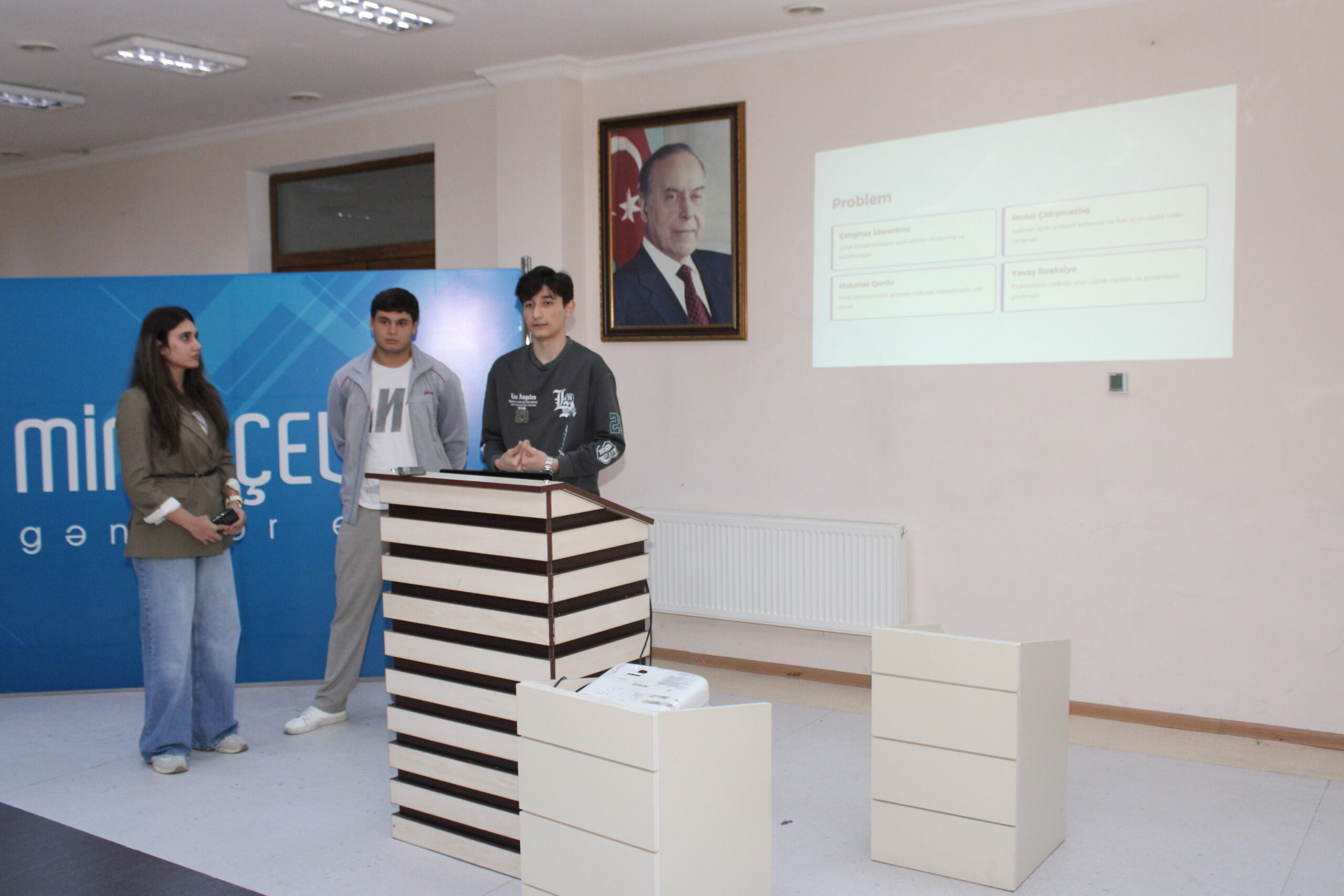
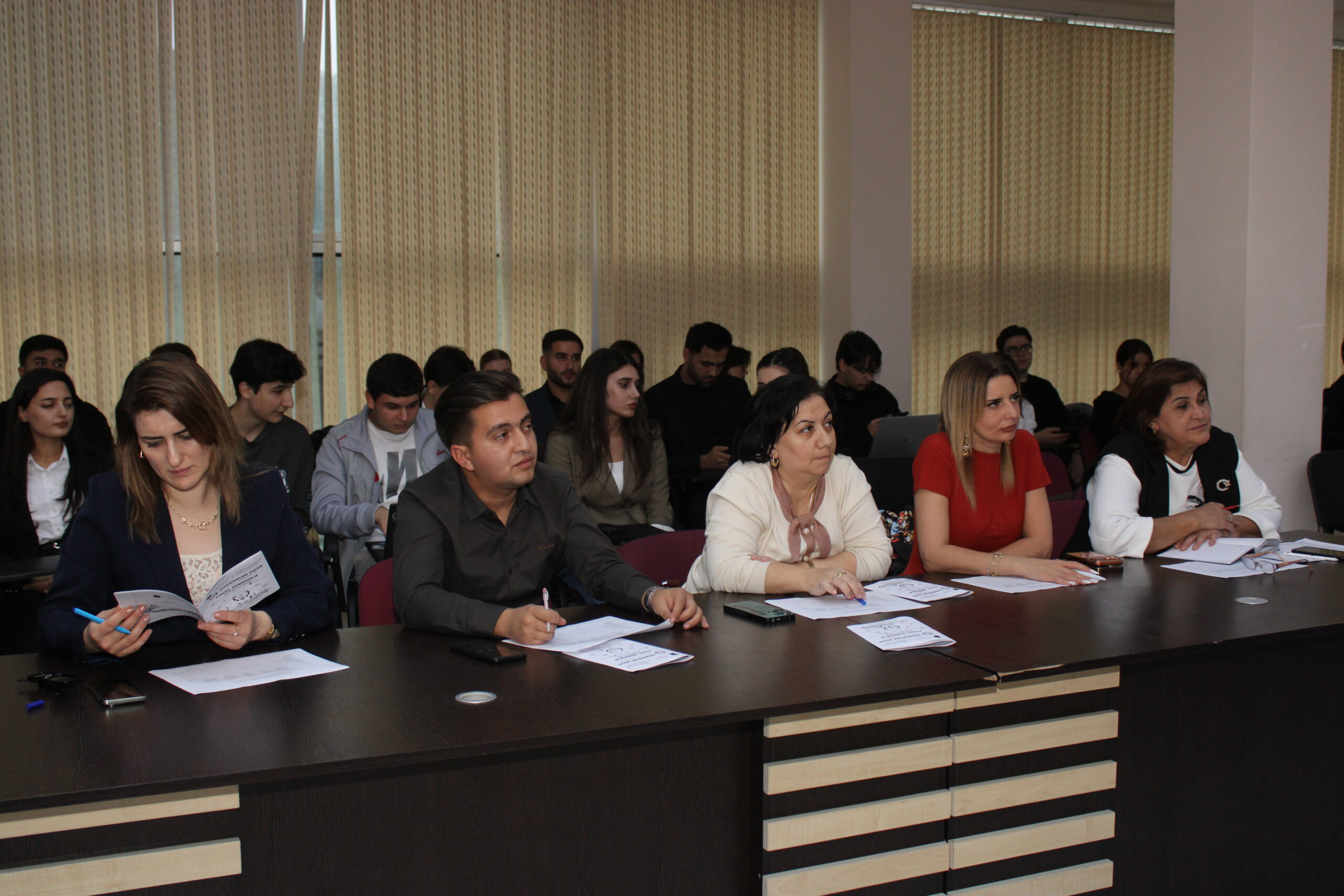
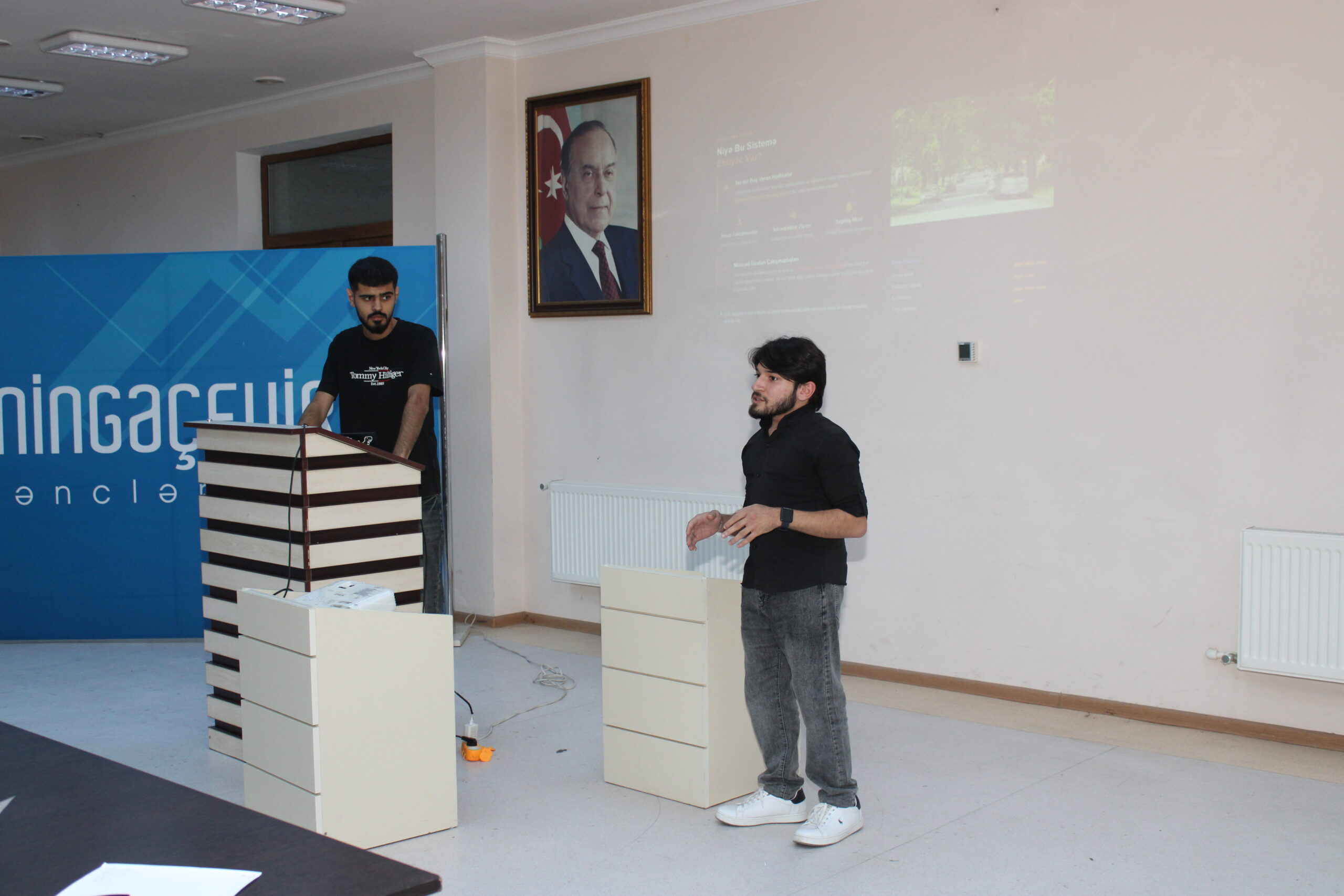
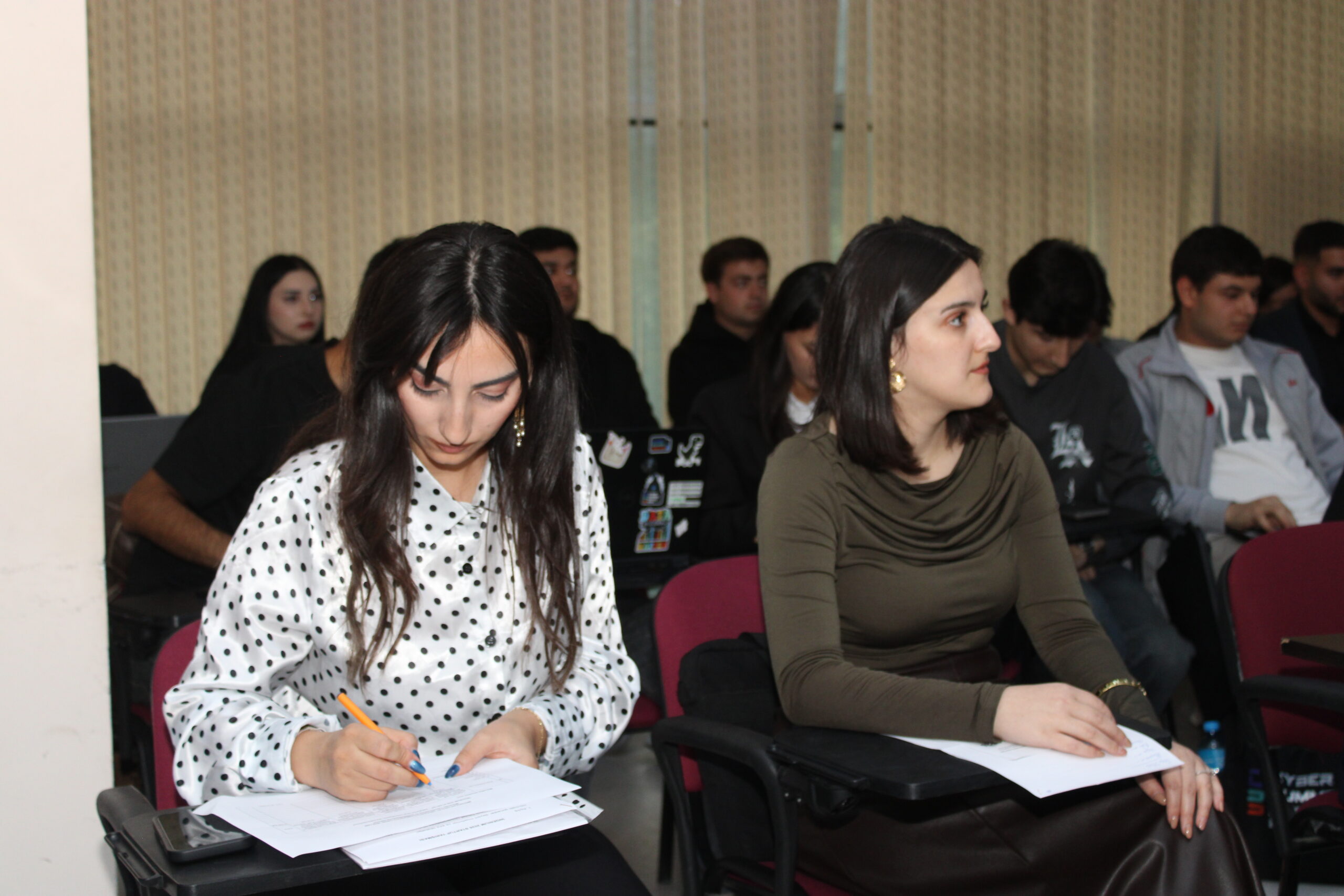
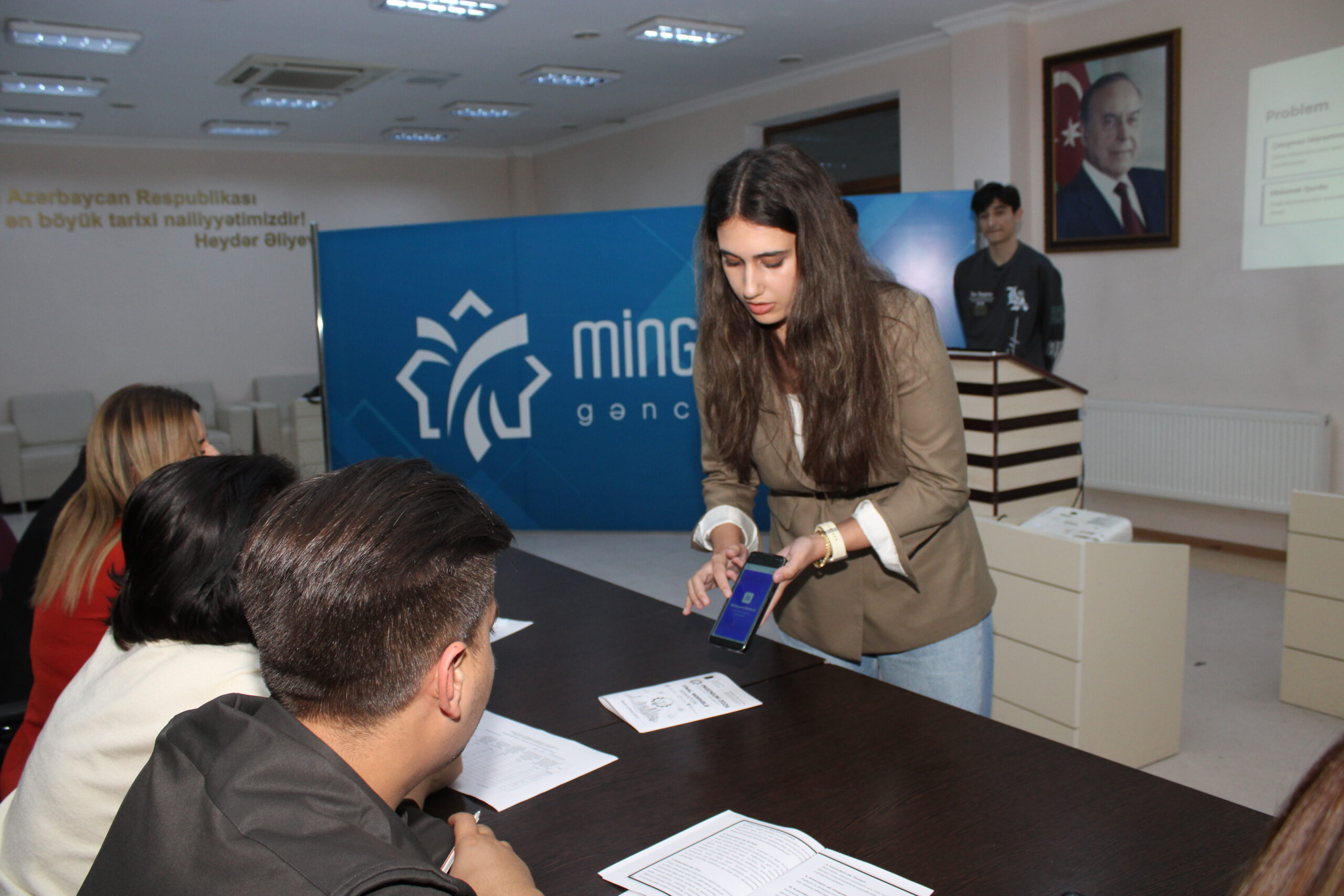
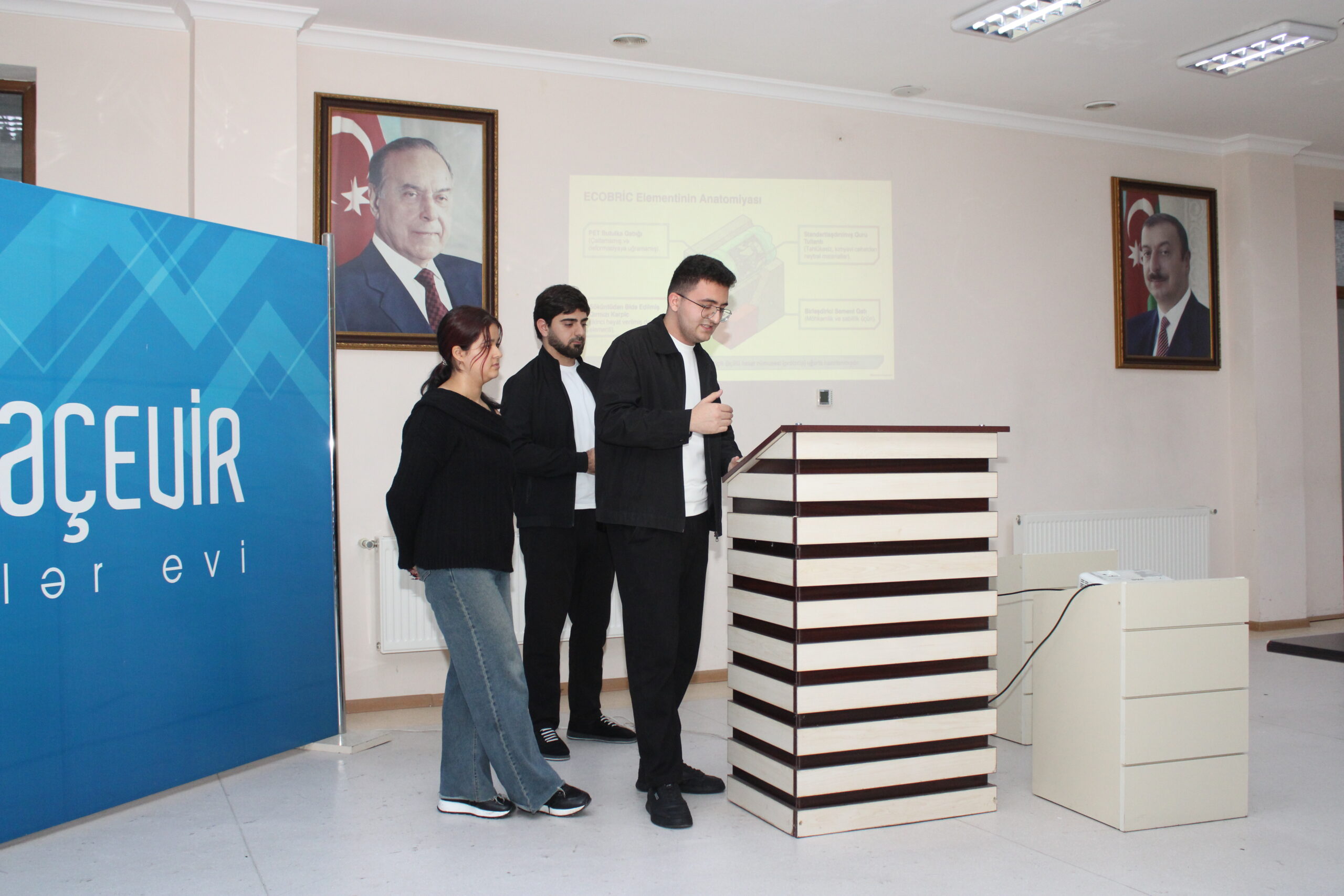
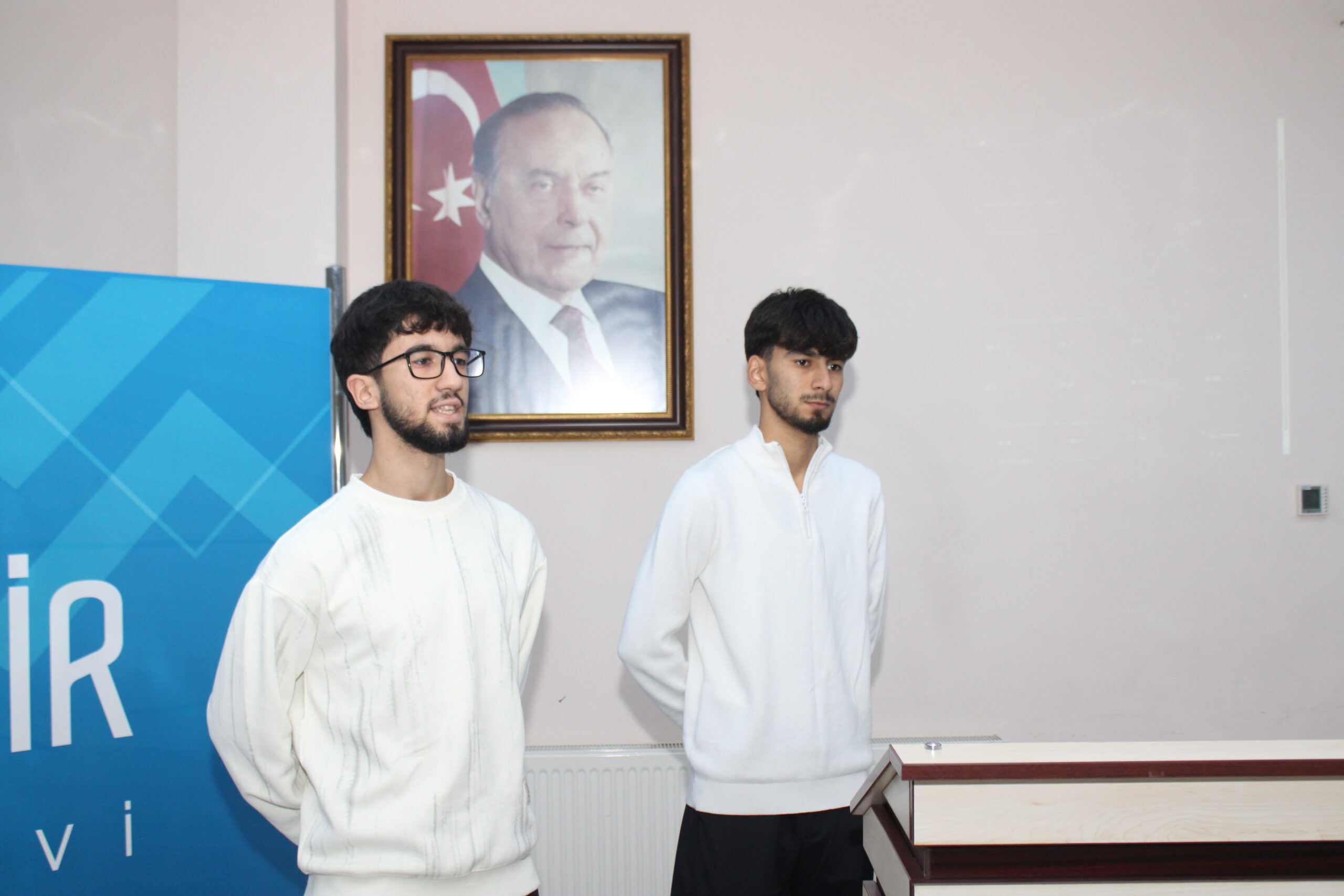
On October 28, 2026, the final stage of the “Ingenium 2026” startup hackathon, held as part of the “Year of Urban Planning and Architecture” with the participation of students from Mingachevir State University (MDU), concluded. Based on the final evaluation results, three of the 10 finalist teams were awarded first, second, and third places.
Organized by the Engineering Development and Certification Division of the university’s Lifelong Learning School, the project aimed to unlock students’ innovative thinking and engineering potential, support initiatives offering technological solutions to current problems, and create opportunities to turn ideas into practical projects.
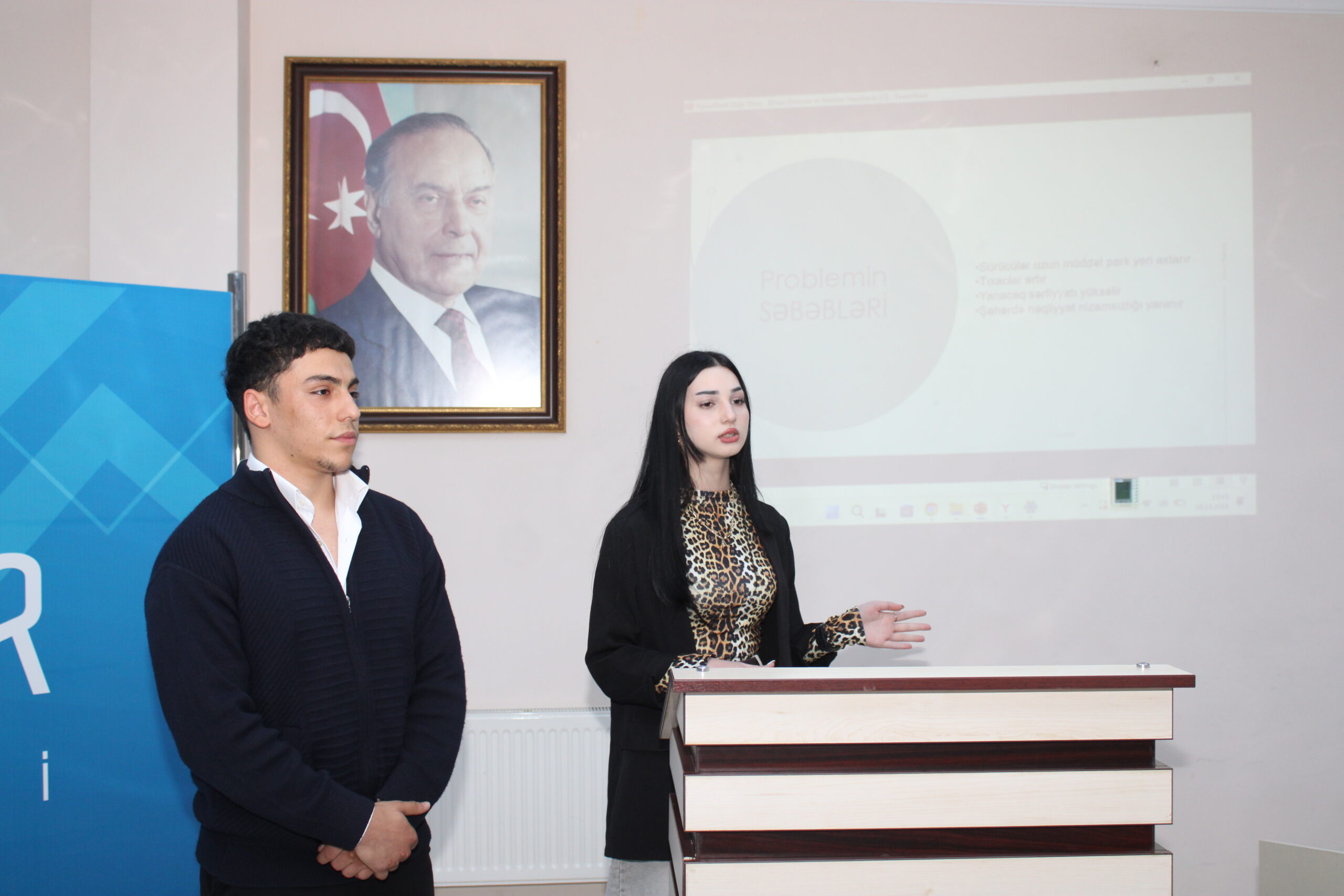
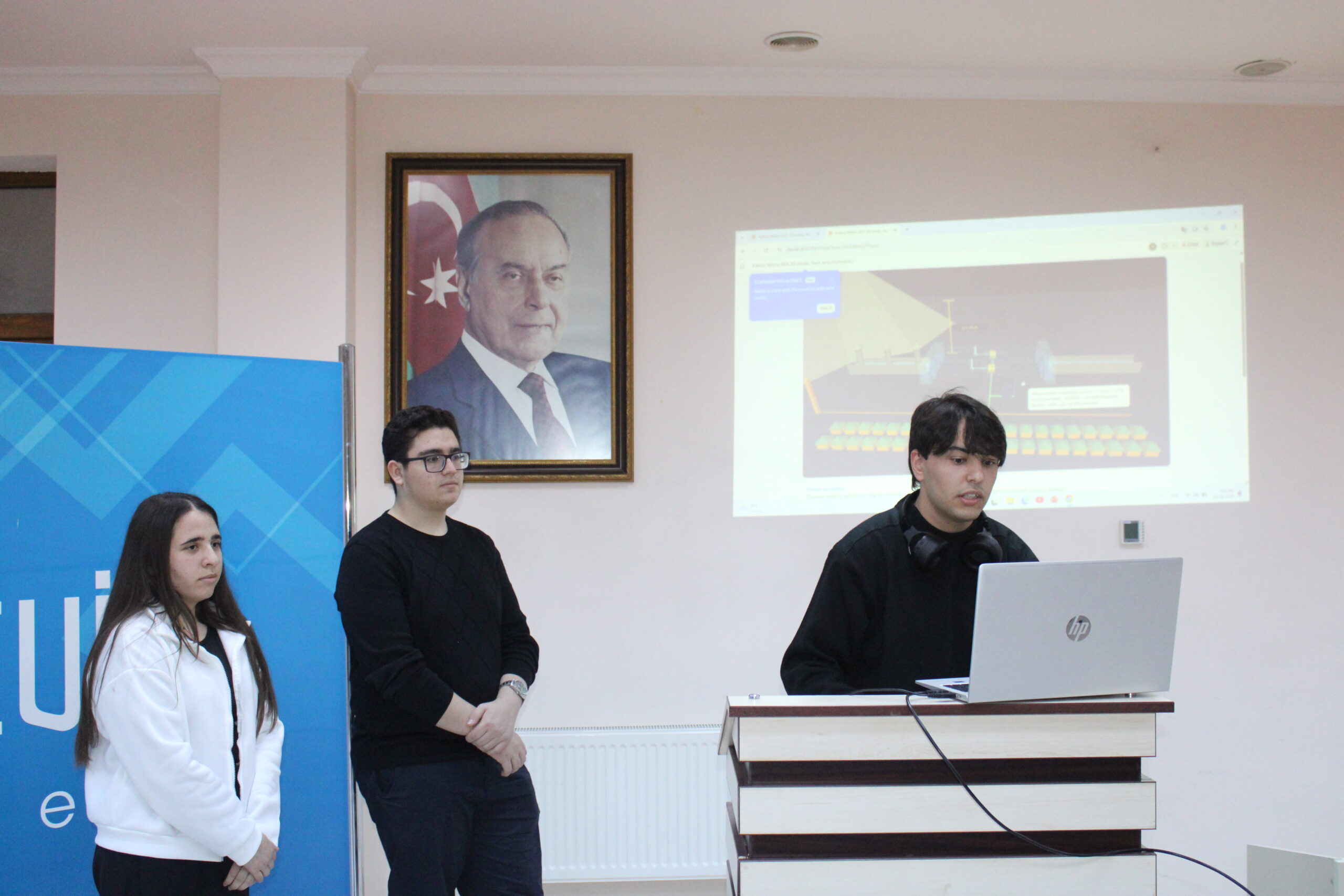
The 10 teams selected during the initial stage presented their startup ideas, proposed technical and functional solutions, and the prospects for implementing their projects at the final stage.
According to the evaluation results, the “SmartParking” team was awarded first place. The team presented an innovative solution aimed at reducing parking congestion in urban areas, making more efficient use of existing parking facilities, and helping drivers find suitable parking spaces.
The “Zirvə” team took second place. The digital platform proposed by the team is intended to enable citizens to submit complaints and suggestions to government agencies electronically, track the status of their submissions, and make the submission process more accessible and transparent.
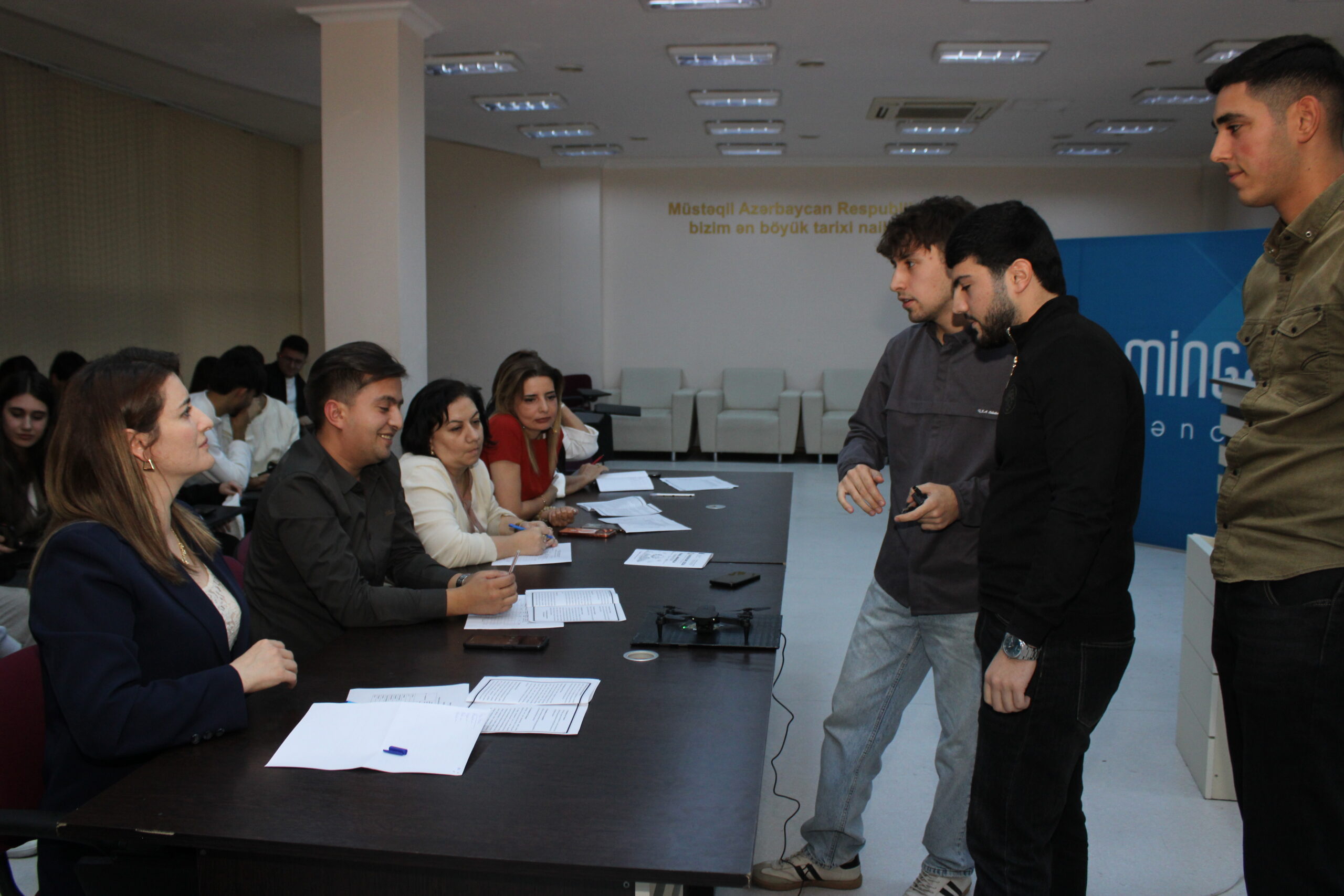
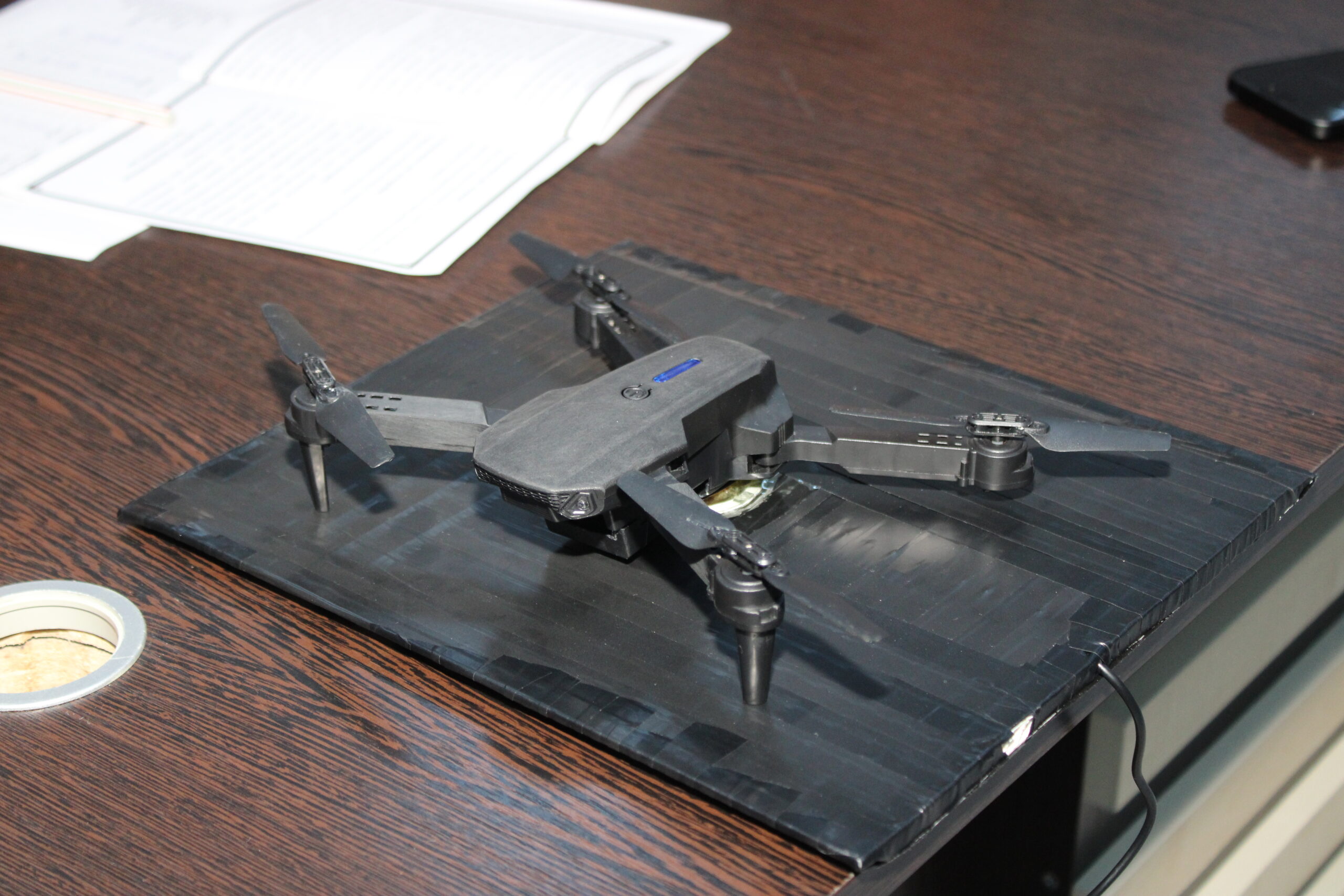
The “Energetiklər” team was awarded third place. The team presented a drone project featuring a stationary charging system designed to ensure a continuous power supply and expand operational capabilities. The project aimed to improve power supply arrangements for unmanned aerial vehicles and increase their capacity for uninterrupted operation.
The presentations covered areas such as improving urban infrastructure, facilitating access to digital services, and organizing energy supply. By highlighting technological approaches based on real needs, the projects demonstrated students’ potential to develop solutions related to the efficient use of resources, accessibility of services, and the development of sustainable urban environments.
The hackathon enabled students to combine theoretical knowledge with practical project design and develop their teamwork, problem-solving, and presentation skills. It also contributed to promoting innovative entrepreneurial initiatives and strengthening students’ preparation for their future professional activities.
Mingachevir State University supports the development of students’ creative potential, engineering thinking, and innovative initiatives that address society’s needs by expanding opportunities for quality education and practical learning.