
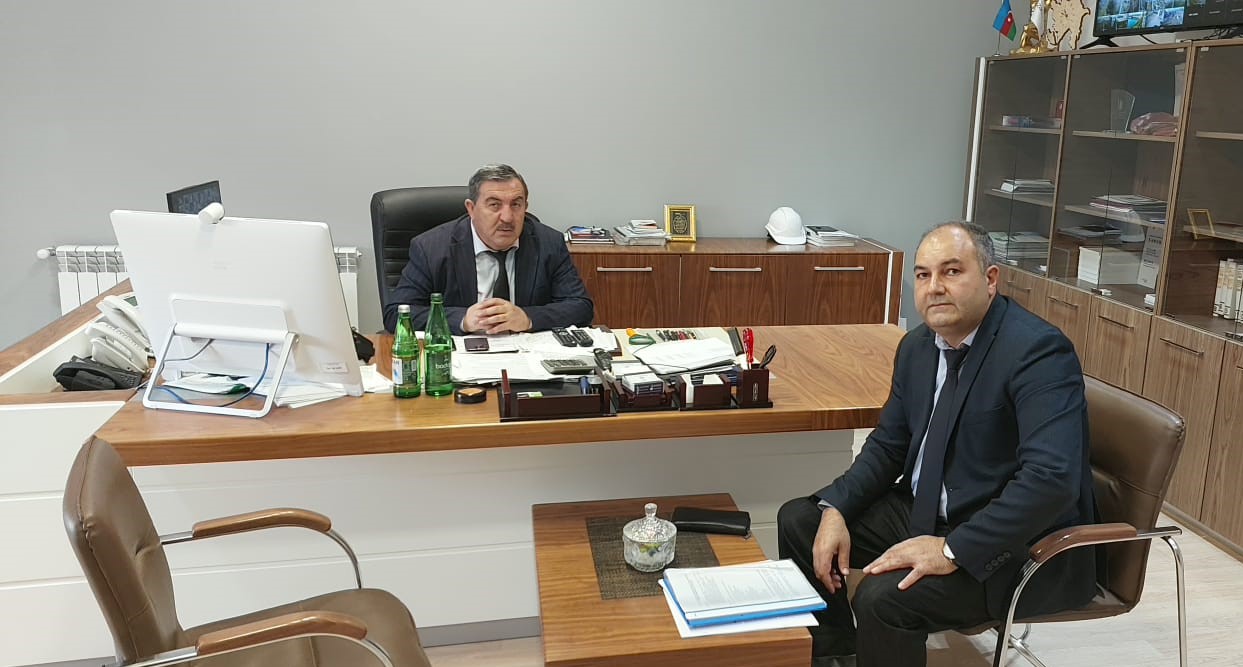

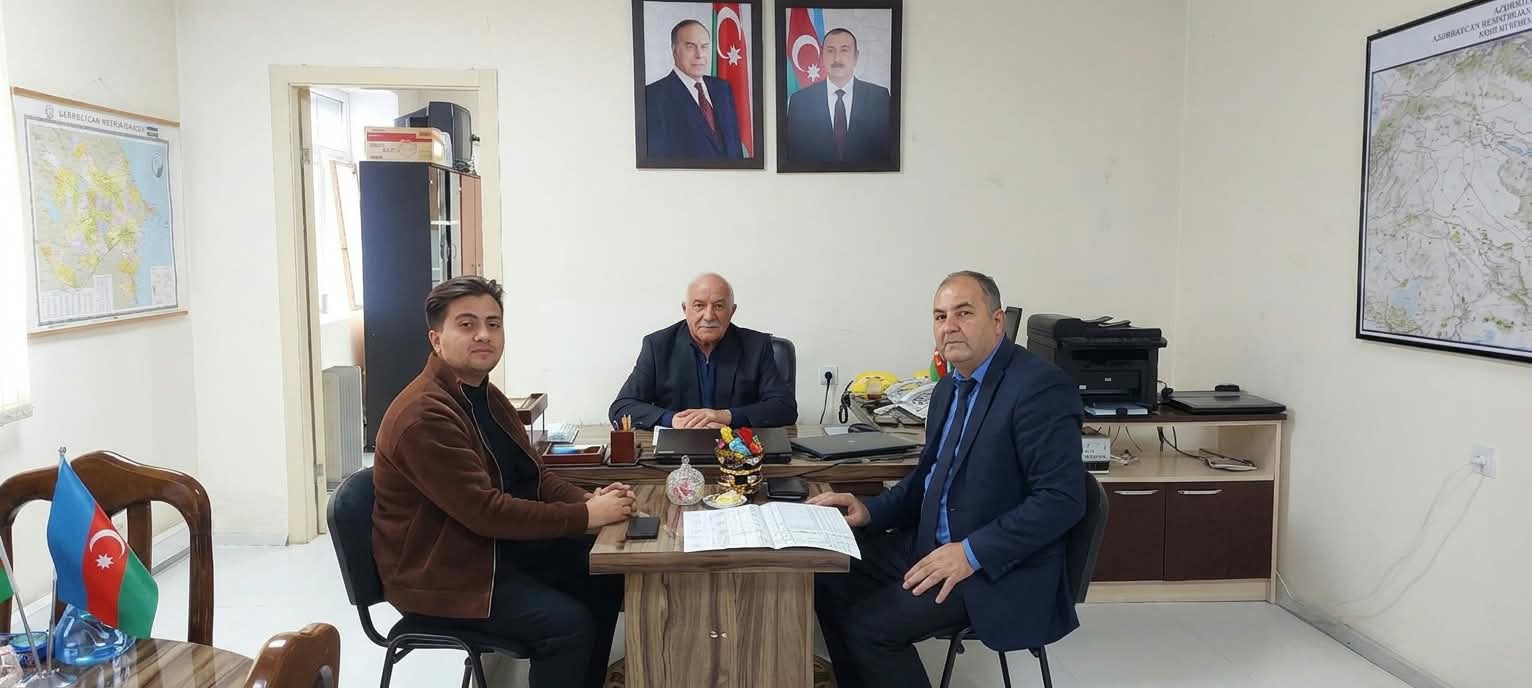
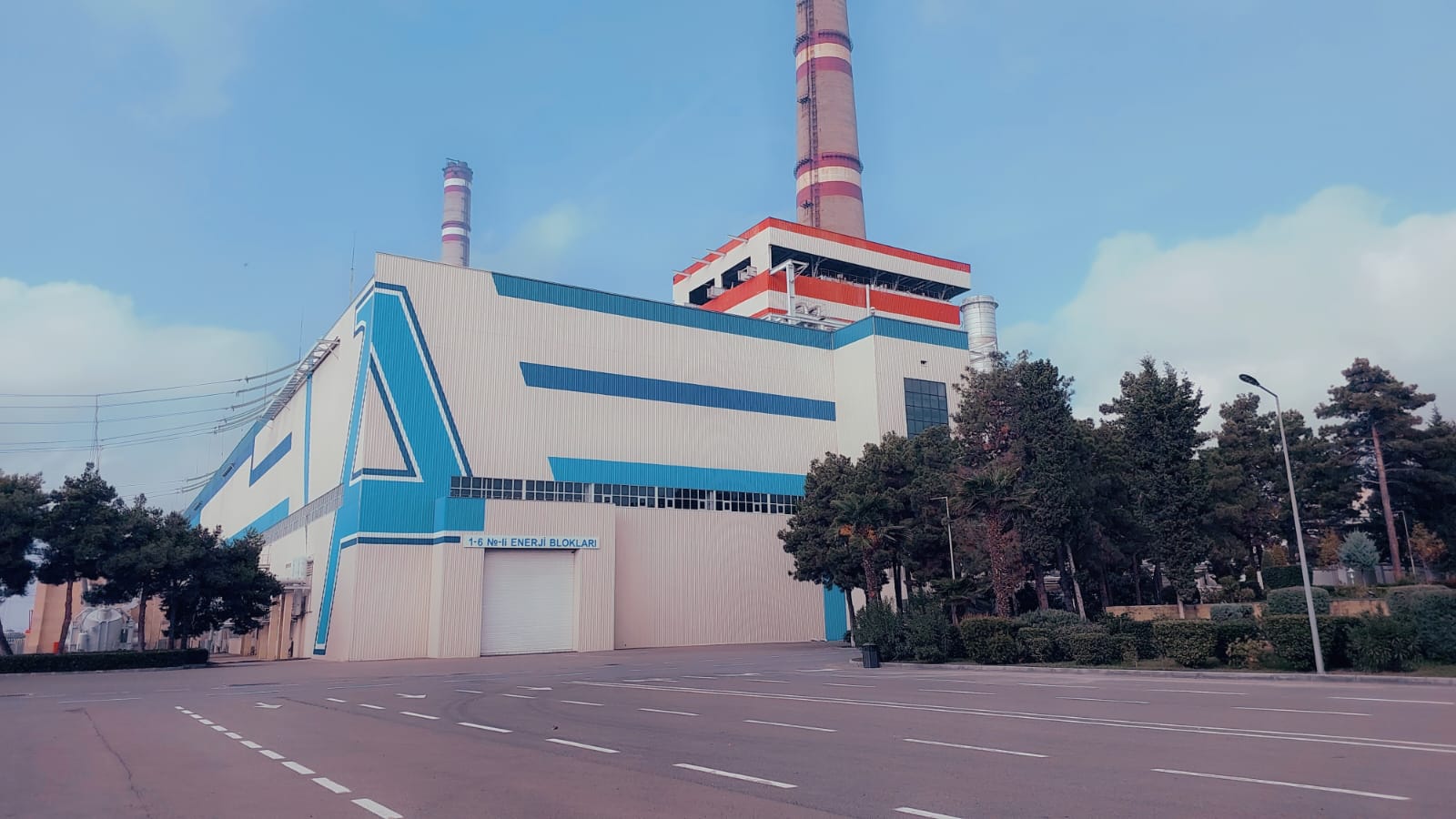
On November 3–4, 2026, business meetings were held with the heads of power plants operating in Mingachevir, jointly organized by Associate Professor Mahir Ismayilov, Head of the Department of Energy Engineering at Mingachevir State University (MSU), and the Engineering Professional Development and Certification Division.
Representatives of the labor market and university staff participated in the meetings. The main objectives were to develop university–industry ties, align engineering education with labor market requirements, and increase employment opportunities for graduates.
The discussions focused on improving the professional knowledge and skills of students enrolled in the Energy Engineering, Electrical and Electronics Engineering, and Industrial Engineering programs at MSU. Views were exchanged on incorporating subjects that meet labor market needs into the university-defined block of elective courses within the curricula and developing course syllabi with industry requirements in mind.
The development of university–industry cooperation in this direction also lays the groundwork for researching the potential applications of Fourth Industrial Revolution (4IR) technologies in the national economy. Exploring the potential of automation, artificial intelligence, the Internet of Things, and data analytics technologies in energy production is significant for improving the efficiency of production processes and the use of energy resources. Connecting industrial experience with academic knowledge in these areas can contribute to developing students’ research skills and preparing engineers equipped to support the digital transformation of the economy.
The organization of short introductory visits and educational excursions to enterprises during students’ studies was also discussed. It was noted that such visits could help students become closely acquainted with production processes, connect their theoretical knowledge with practical examples, and prepare for their future professional activities.
Supporting graduates’ access to employment opportunities relevant to their qualifications and strengthening ties with employers were also a focus of the meetings. The importance of sustained cooperation between educational institutions and industrial enterprises in preparing specialists who meet industry needs and supporting the region’s sustainable socioeconomic development was emphasized.
Appreciation was expressed to the leadership of the university and industrial enterprises for their support in organizing the meetings, and confidence was voiced that this cooperation would contribute to students’ professional development and improve the quality of engineering education.