
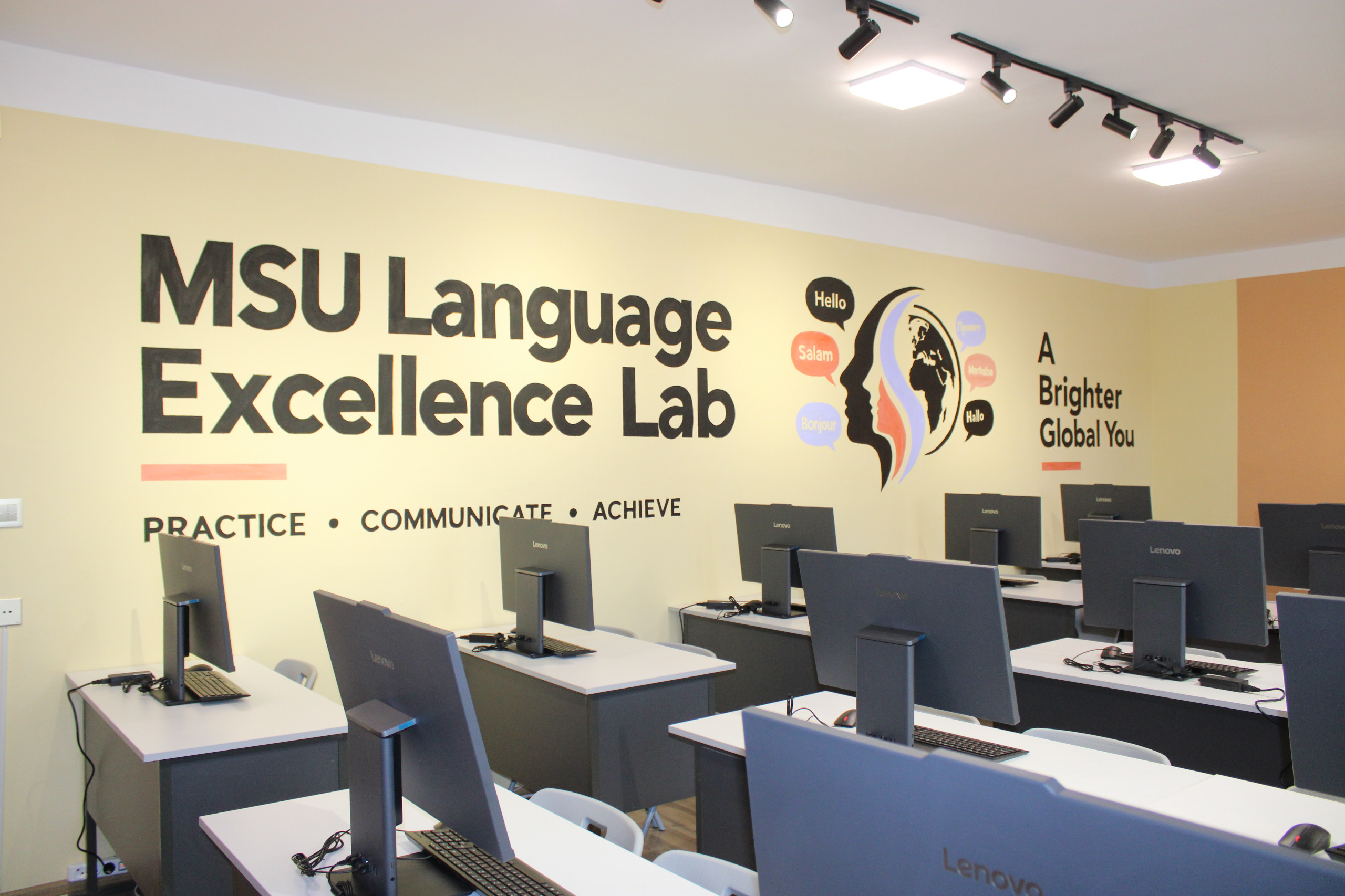
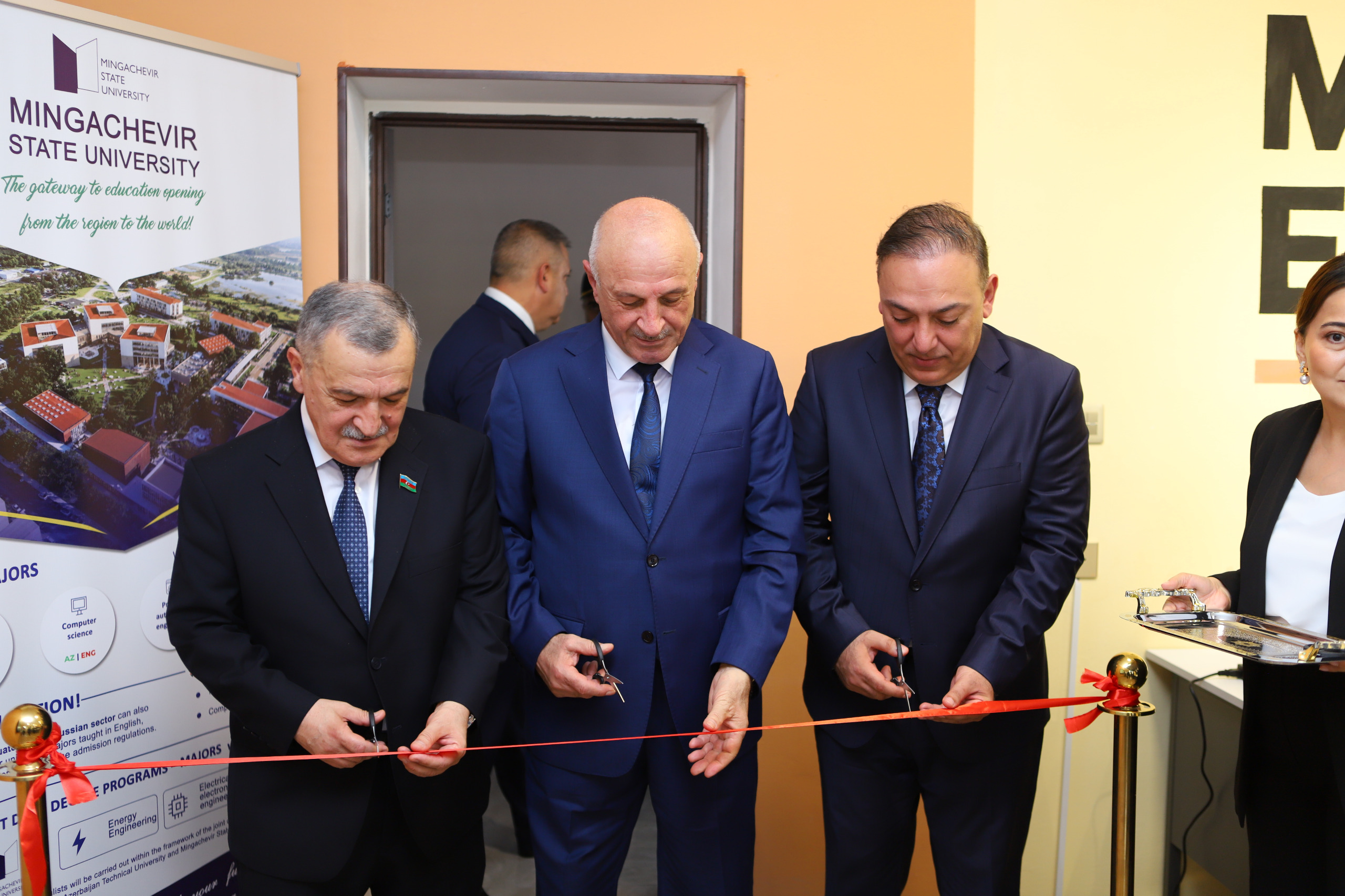

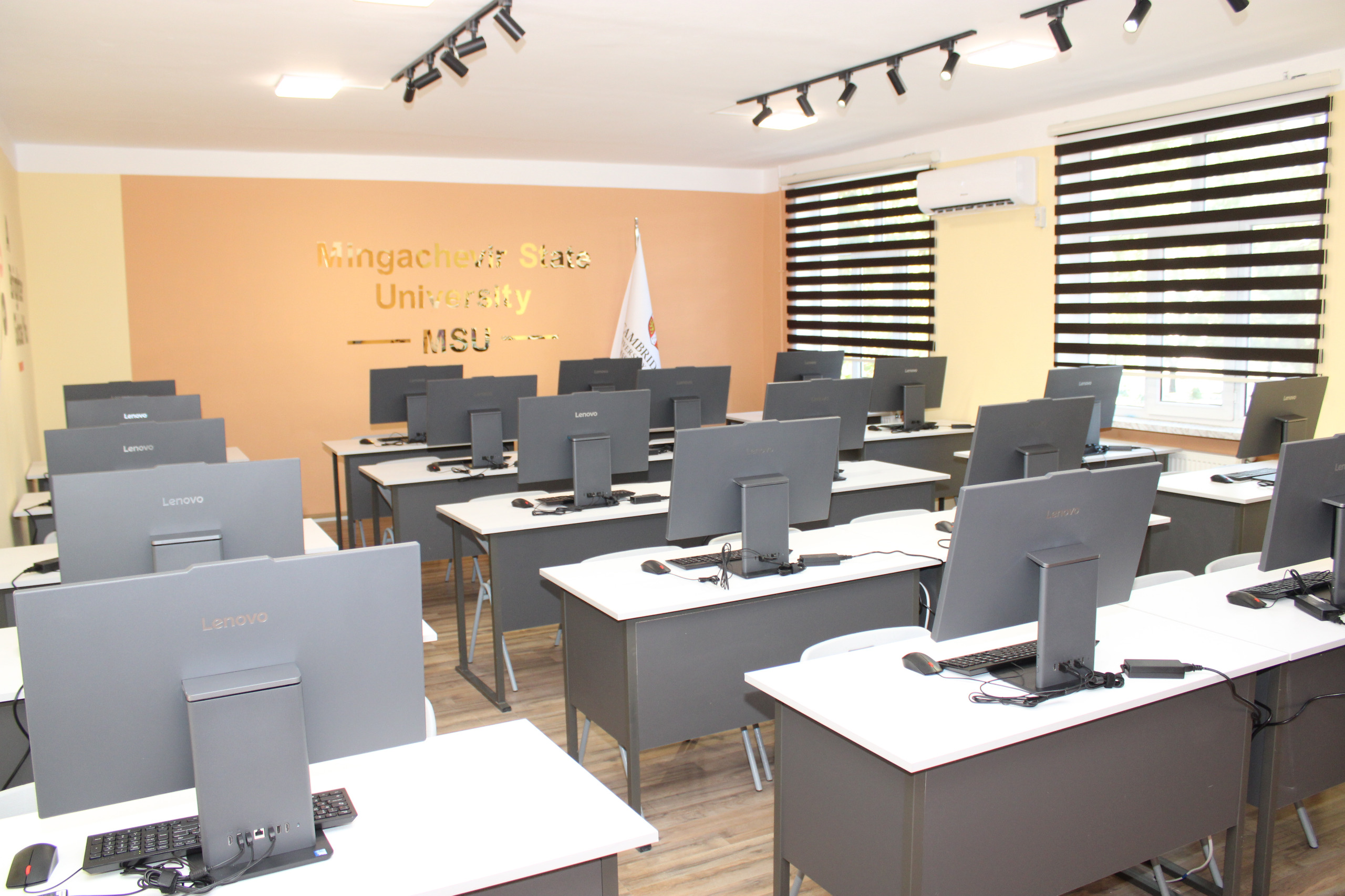

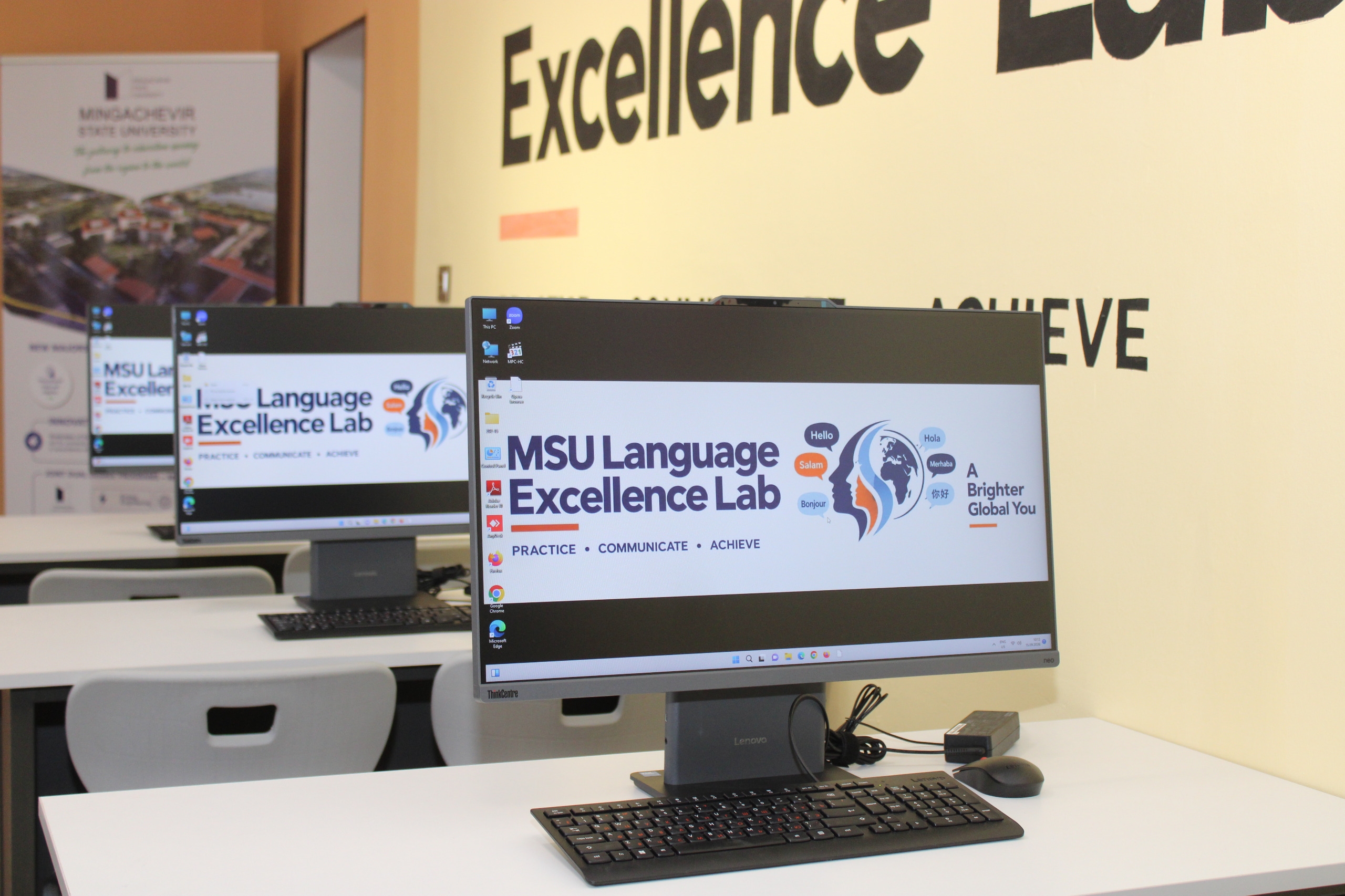
On September 15, 2026, marking Knowledge Day, Mingachevir State University inaugurated the region’s largest artificial intelligence-powered Language Excellence Laboratory (MSU Language Excellence Laboratory).
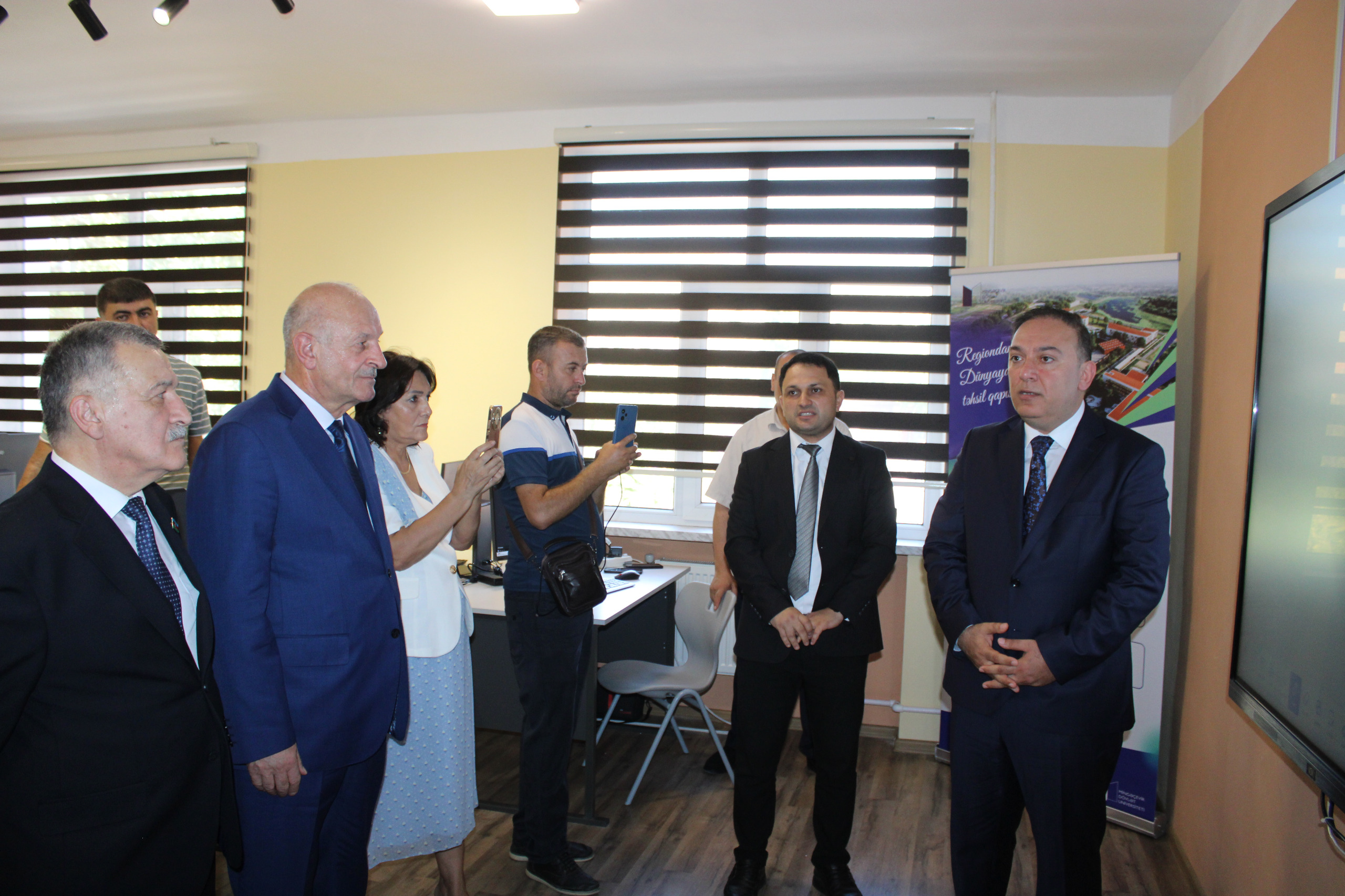
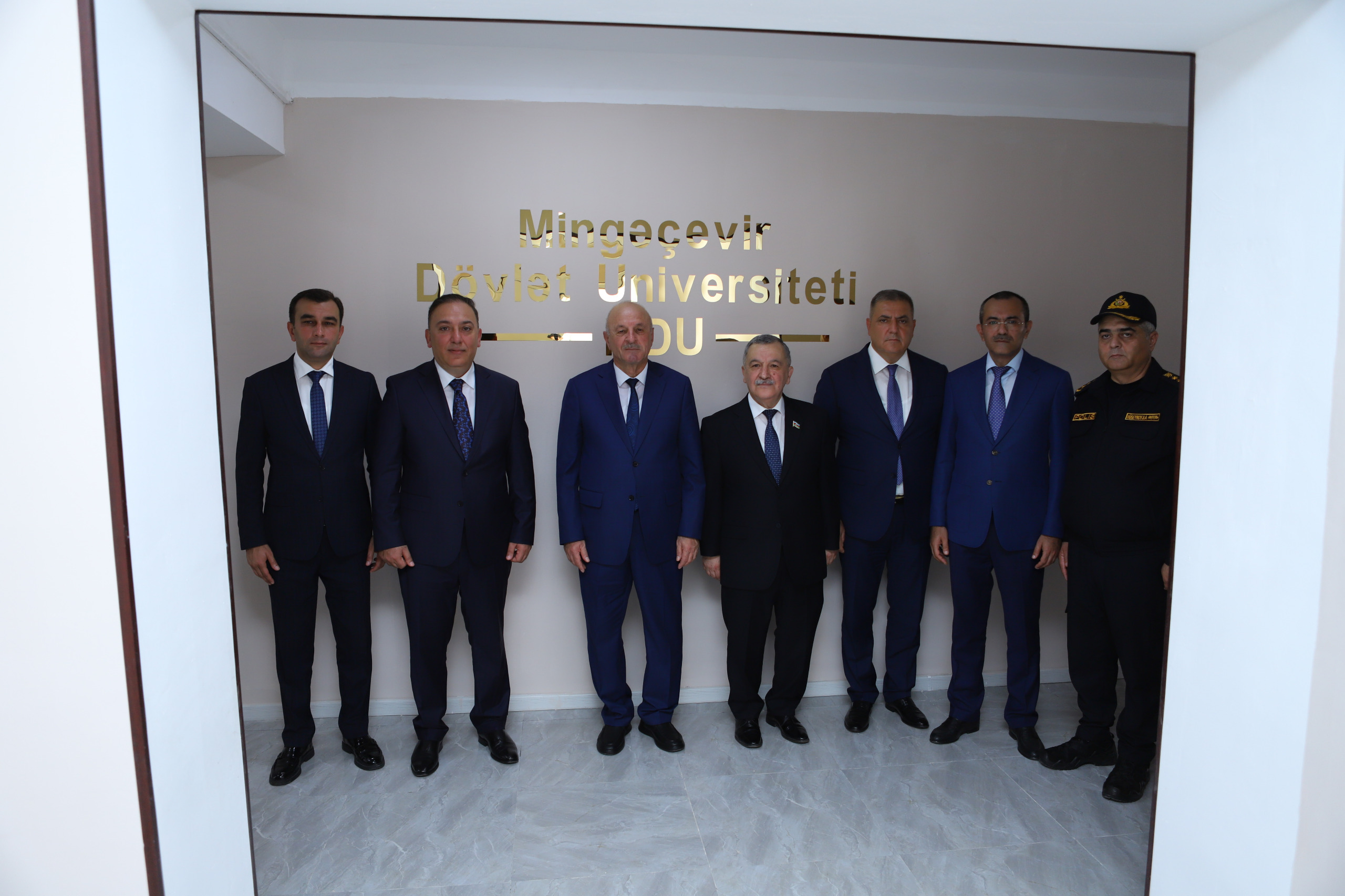
The opening ceremony was attended by Ilham Ismayilov, Head of the Mingachevir City Executive Authority; Aydin Mirzazadeh, Member of the Milli Majlis; Anar Eminov, Rector of Mingachevir State University; and other city officials.
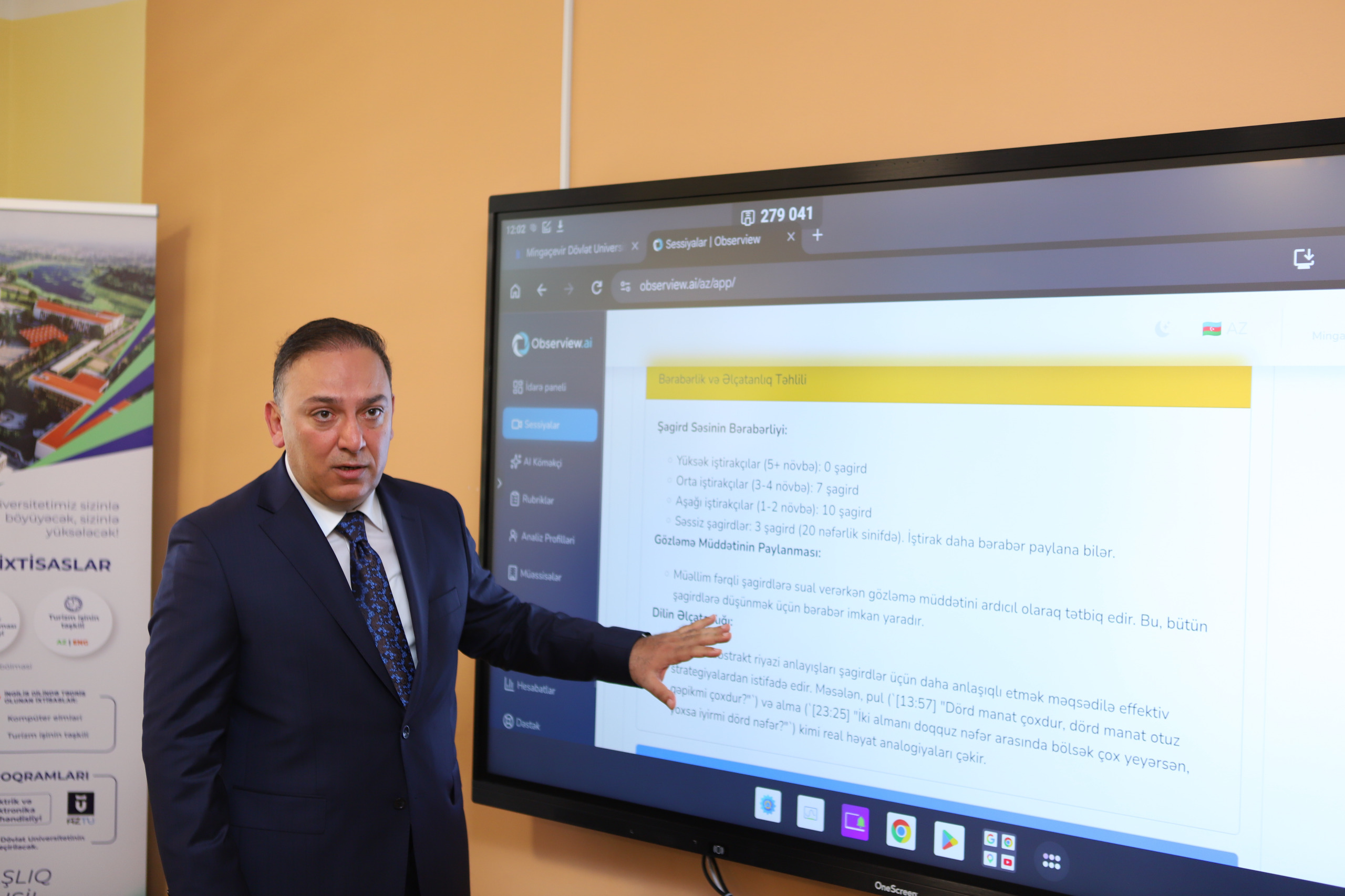
Presenting the operational mechanism of the laboratory, Elchin Tagiyev, Director of the Center for Digital Development and Information Technologies at Mingachevir State University, stated that the newly established environment is designed to assess students’ speaking, listening, reading, writing, vocabulary, and pronunciation skills through AI-powered tools, monitor their individual development dynamics, and provide personalized learning opportunities based on the results obtained.
The laboratory is designed to determine students’ initial language proficiency levels and compare them with their performance at subsequent stages. Assessment based on the Common European Framework of Reference for Languages (CEFR) will enable the measurement of students’ actual progress in language skills over a given period.
The platform uses artificial intelligence to analyze video recordings of lessons, syllabi, and teaching materials, conduct assessments across various indicators, systematize the results, and generate structured reports. Based on an overall analysis of the lessons delivered by a teacher throughout the week, the system provides specific recommendations aimed at improving teaching practices and supporting the teacher’s professional development.
The platform is planned to be implemented in all classrooms of the main academic building of Mingachevir State University by March 2027. The process has currently started with courses taught in foreign languages.
This initiative is one of the AI-powered tools being introduced within the framework of MSU’s new development strategy, with the aim of enhancing the quality of teaching, ensuring more objective and systematic analysis of lessons, and supporting the continuous professional development of academic staff.
It should be noted that the software in question is used by a number of leading higher education institutions in the United States, Canada, and Turkiye.
The system will make it possible to monitor not only students’ final results but also their overall learning process and development trajectory. Initial indicators recorded when a student begins using the laboratory will be compared with subsequent results, an individual electronic profile will be created, and the student’s development dynamics will be analyzed progressively.
The AI-powered language assessment tools used in the laboratory will enable separate analysis of students’ pronunciation, fluency, vocabulary, grammar, listening, and speaking performance. This will allow the university to identify more accurately the language skills in which a student has made progress and the areas where additional support is needed.
The technological infrastructure of the laboratory has been developed using technological solutions from the Swedish company AXIS Communications in the fields of smart audio, AI-powered analytics, and integrated digital systems, as well as approaches applied by leading universities in Turkiye in foreign language teaching and digital pedagogy.
The technological model implemented in the laboratory enables data to be processed, as far as possible, in accordance with the principles of edge computing—that is, at the device level where the data is generated. AI-powered Audio Analytics technology supports functions such as identifying speech and various sound events, measuring sound levels, and transmitting the resulting indicators to analytical systems. This approach also facilitates more efficient and secure data management by reducing the need for continuous storage of large volumes of raw audio data.
The laboratory’s open and integrable technological architecture will enable the audio, artificial intelligence, and other digital solutions used here to be connected in the future with various software applications, analytical platforms, and other digital systems of the university.
Another important area of the new laboratory is the development of the AI and digital pedagogy competencies of teachers who will teach there, as well as data-driven assessment of teaching activities. Rather than relying on a single indicator, the approach is intended to comprehensively assess students’ development dynamics, the methodological quality of lessons, the level of use of digital and AI tools, student engagement in the learning process, expert observations, and student feedback.
Thus, the system established within the laboratory will bring students, teachers, and the teaching process together within a unified, data-driven assessment environment. The results obtained can be used to identify students’ individual development pathways, support teachers’ professional development, and continuously improve the quality of foreign language teaching.
In the longer term, the Language Excellence Laboratory is intended to evolve beyond a teaching space for foreign language classes into an AI-based Language Learning and Assessment Center, where students’ language competencies are measured, teachers’ professional development is supported, AI-powered teaching methods are piloted, and the data generated is systematically analyzed.
The newly established laboratory at Mingachevir State University will create new opportunities for adapting international technological approaches to the university environment, systematically integrating artificial intelligence into foreign language education, expanding personalized learning opportunities, and establishing data-driven quality assurance mechanisms.