At Mingachevir State University, biodiversity conservation, ecological sustainability, and practical environmental education are promoted through the university’s “Green Campus” initiative. These efforts aim to engage students and academic staff in nature-oriented research, strengthen environmental awareness, and encourage cooperation with institutions working in environmental protection and green space management.
An important partner in MSU’s environmental sustainability activities is the Mingachevir City Landscaping and Sanitation Department. On 16 October 2025, the University and the Department signed a strategic cooperation memorandum covering areas such as expanding green spaces, tree planting, environmental protection, waste management, and biodiversity conservation. This cooperation provides a basis for joint initiatives that support greener urban environments and promote the protection and development of vegetation in and around the university campus.
MSU also cooperates with Zagatala State Nature Reserve and Zagatala Nature Museum in biodiversity-related educational activities. These institutions provide opportunities for students and academic staff to learn about local flora and fauna, natural habitats, ecosystem diversity, and nature conservation. Such engagement strengthens the link between university education, field-based learning, and professional environmental practice.
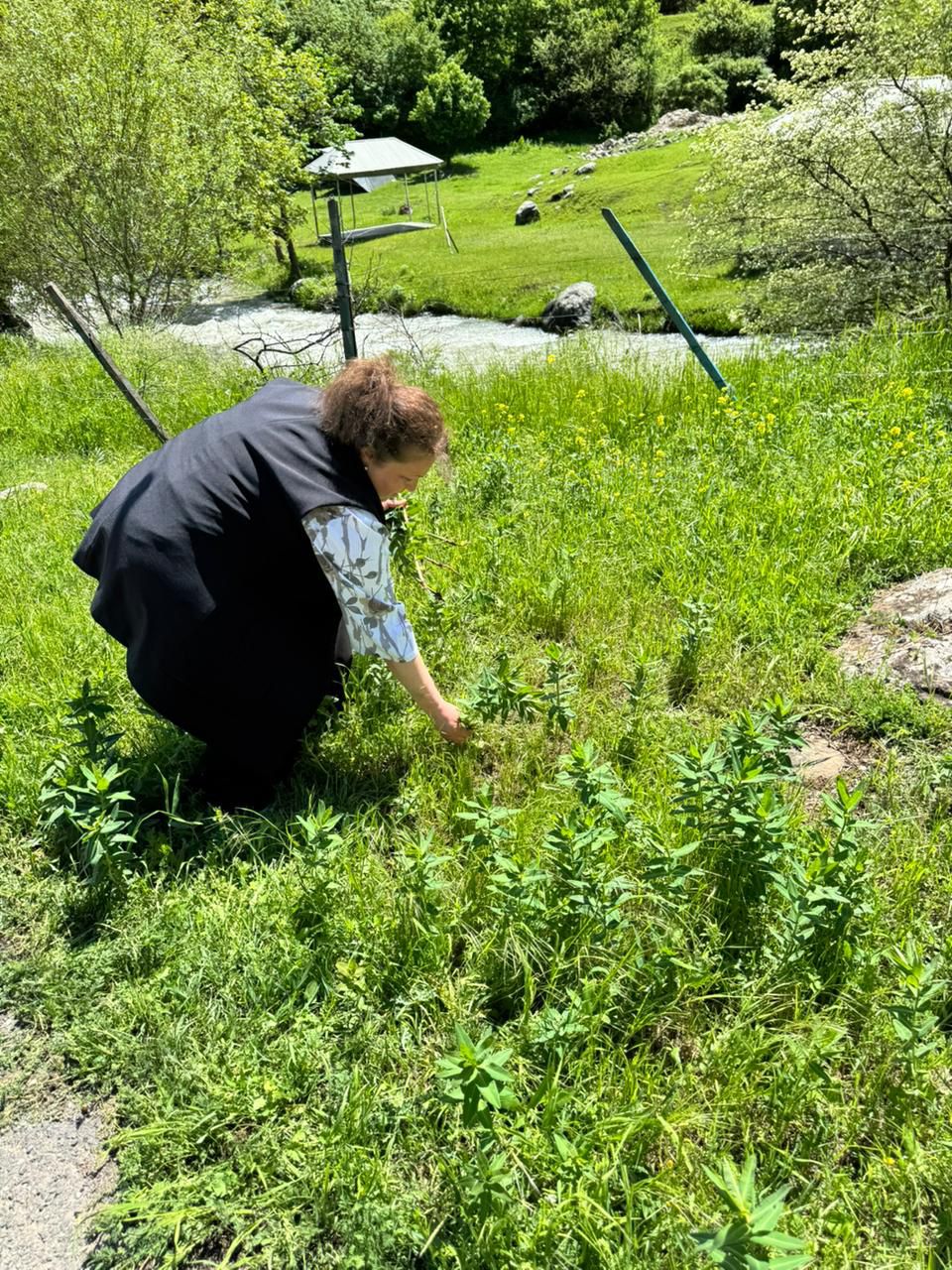
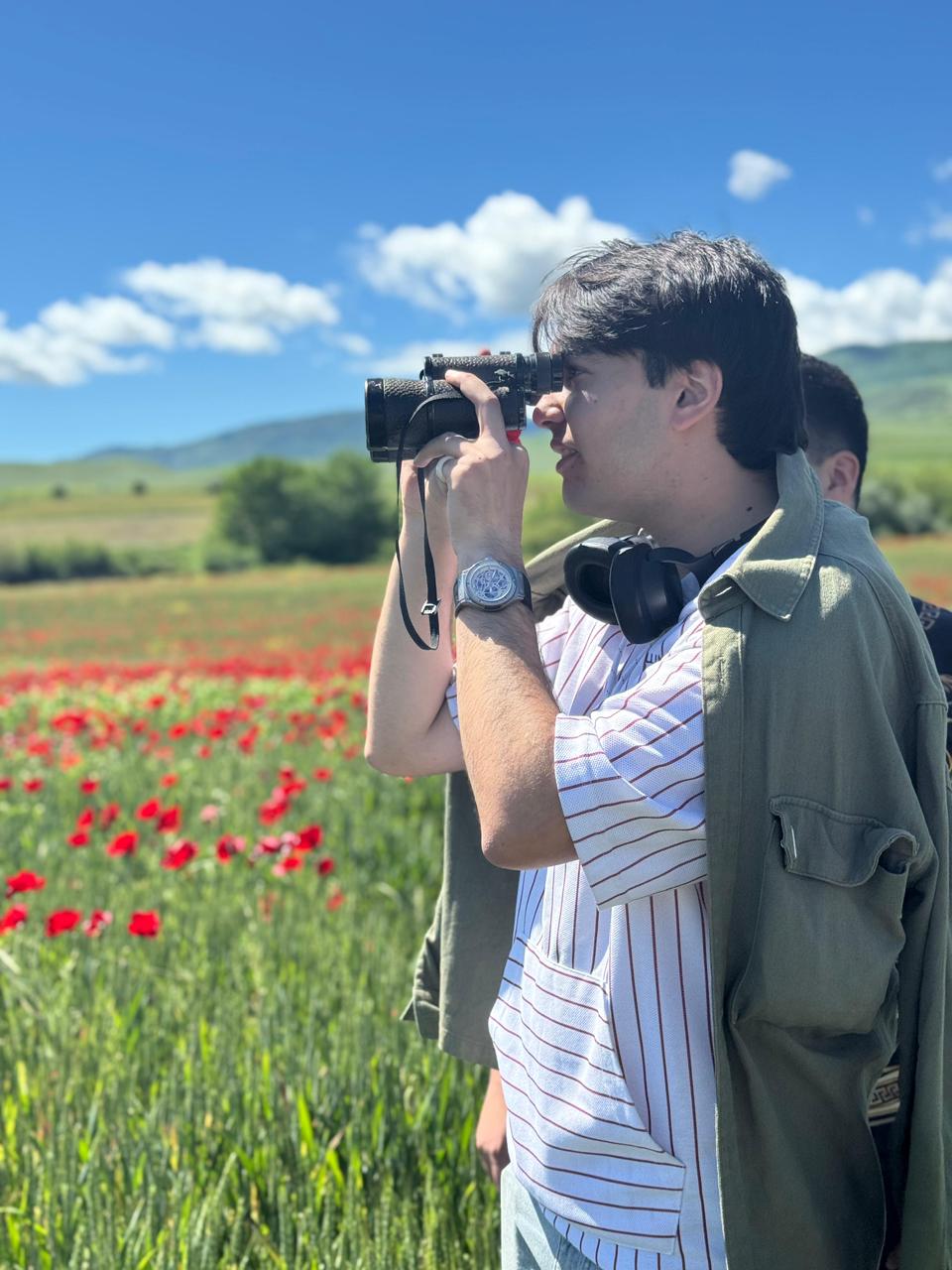
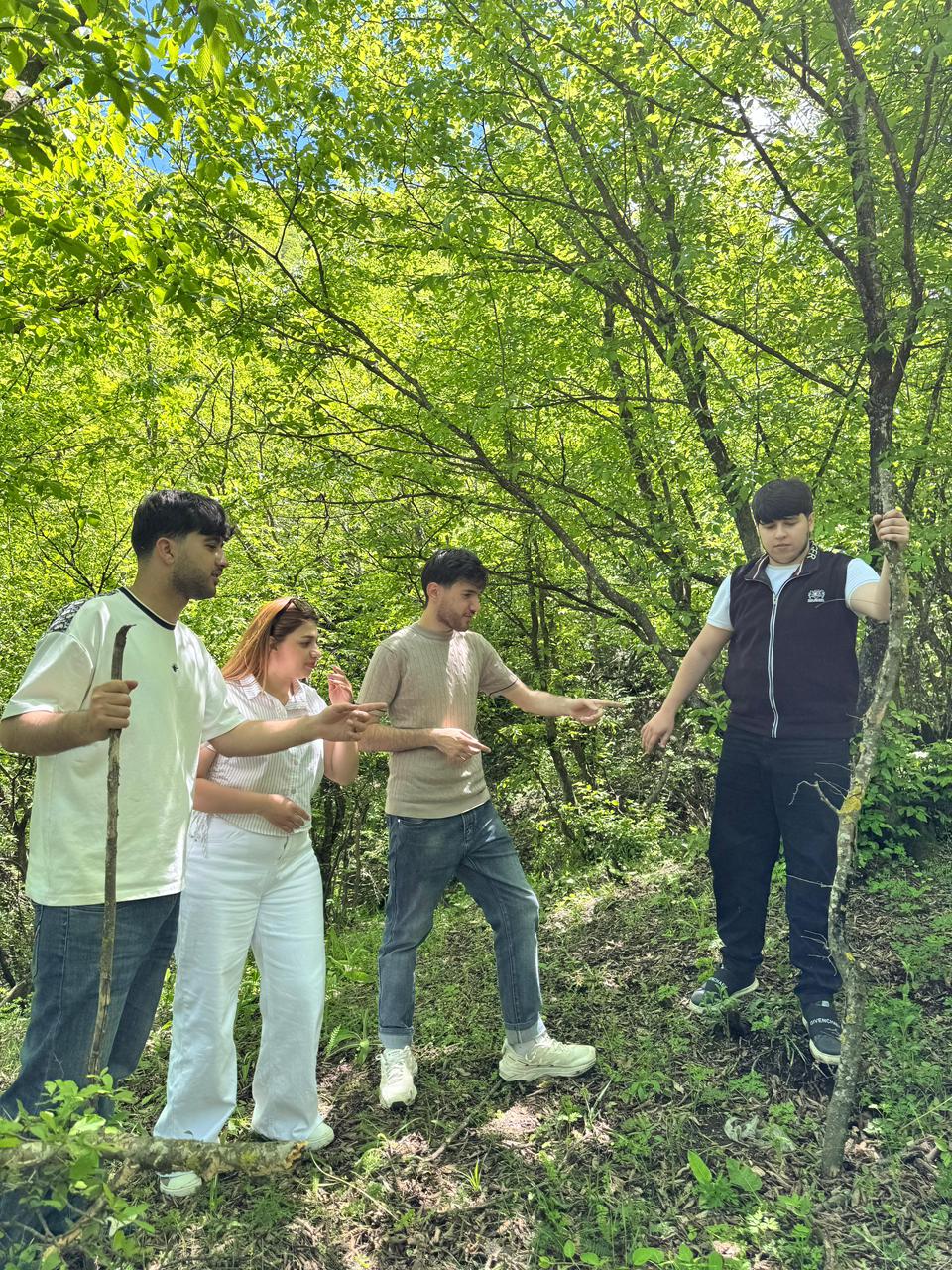
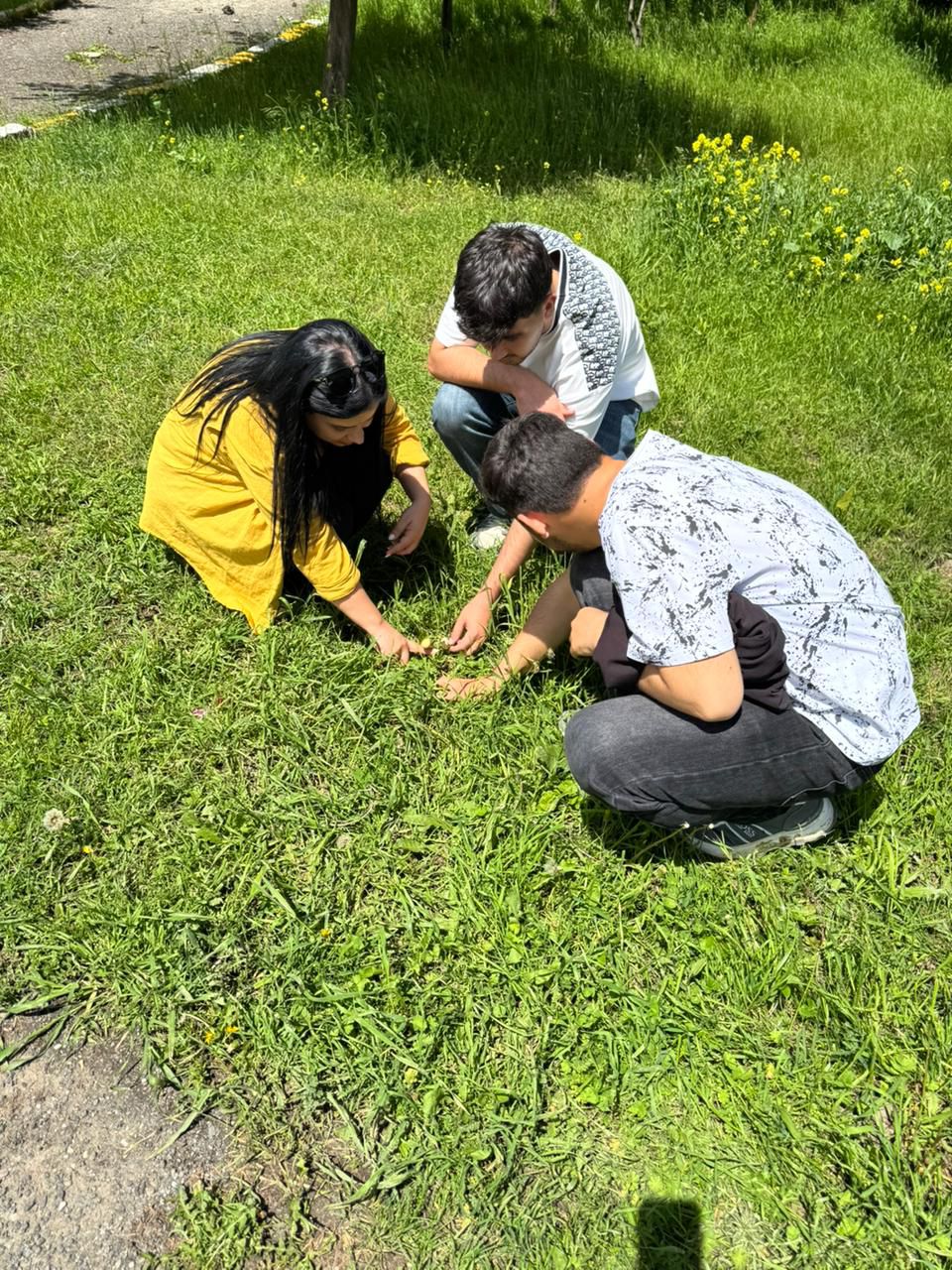
During biodiversity observation and research activities under the “Green Campus” initiative, participants work in groups to observe flora, fauna, and fungi in natural environments. Observations may include plant species, insects, and other living organisms. Photographs and field notes support the documentation of findings and preliminary species identification. These activities help participants understand ecosystem balance, species diversity, and the importance of conserving natural habitats.
Field-based learning also enables students to examine the distribution of organisms across different natural environments and develop practical research skills. Through direct observation and the use of appropriate optical equipment, participants strengthen their ability to identify living organisms, record field data, and understand the ecological characteristics of natural landscapes.
Cooperation with the Mingachevir City Landscaping and Sanitation Department, Zagatala State Nature Reserve, and Zagatala Nature Museum illustrates the role of institutional partnerships in MSU’s broader environmental sustainability efforts. These relationships support environmental education, biodiversity awareness, green space development, and knowledge exchange between higher education and organisations engaged in nature conservation.