Energy & Climate Change
Energy-Efficient Infrastructure and Renewable Energy
Mingachevir State University promotes energy efficiency through sustainable building design and the use of renewable energy sources. Energy-efficient LED lighting systems have been installed throughout university buildings to reduce electricity consumption. Large windows maximize the use of natural daylight, decreasing the need for artificial lighting during daytime hours and improving energy efficiency.
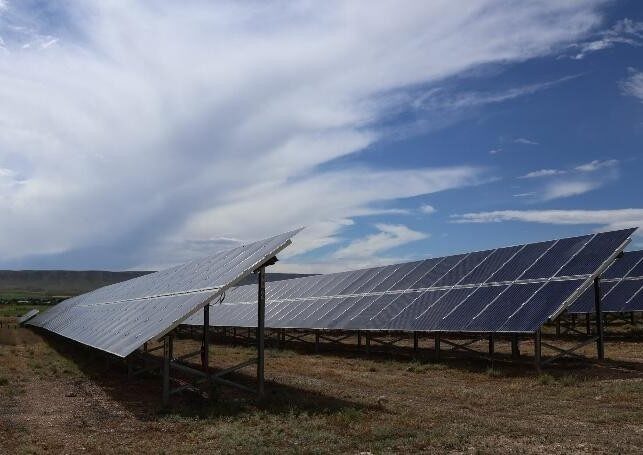
In addition, the university utilizes solar panels to generate clean and renewable energy. The integration of energy-efficient technologies and renewable energy sources contributes to reducing greenhouse gas emissions and supports the university’s commitment to environmental sustainability.
During the day, the solar panels capture and store solar energy, which is then used to power the lighting systems at night. This contributes to energy conservation, reduces electricity consumption, and supports the use of renewable energy on campus.
The university has also installed solar-powered smart benches in outdoor areas. These facilities utilize renewable solar energy and demonstrate the university’s commitment to innovative, energy-efficient, and environmentally friendly campus infrastructure.
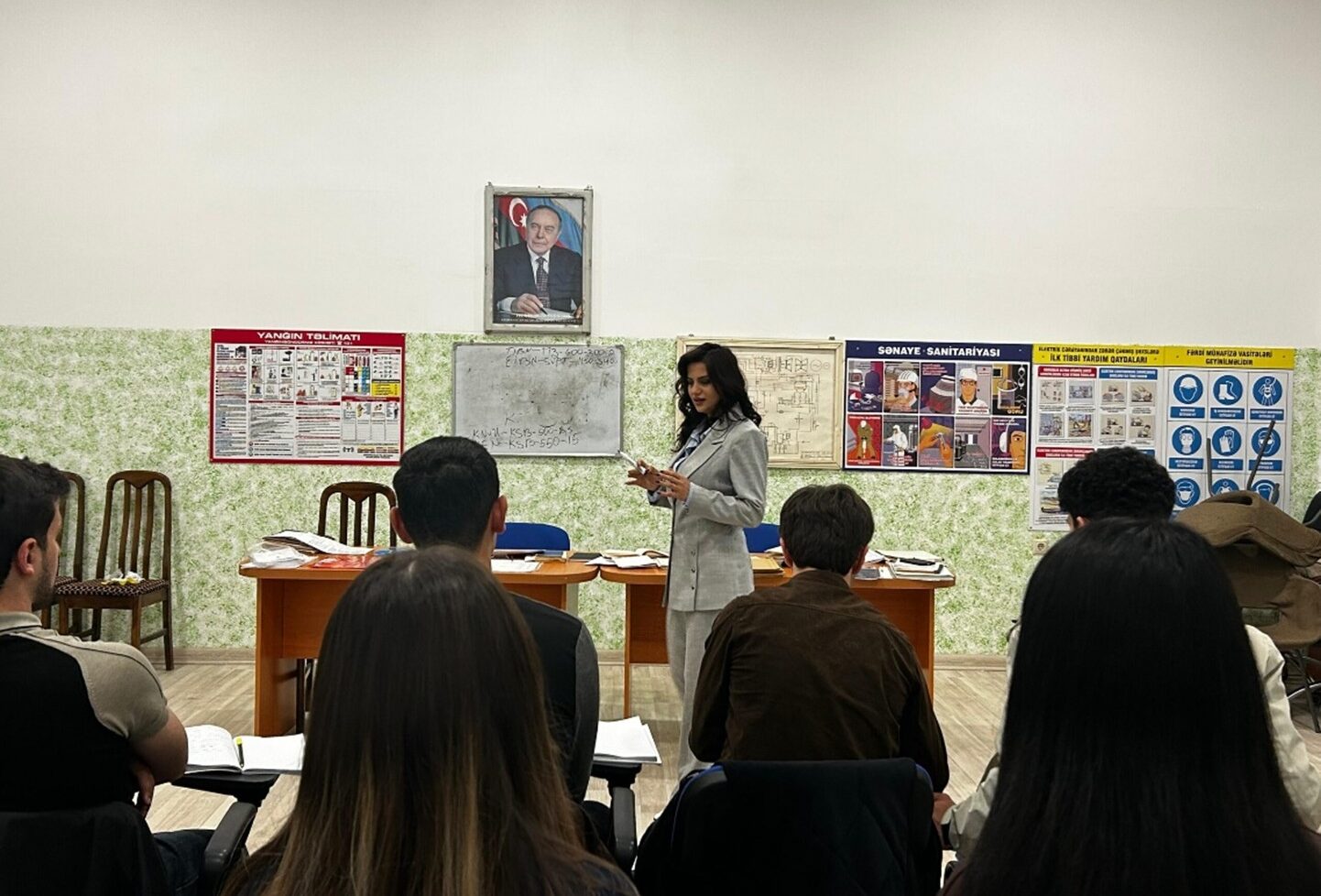
To further promote energy-efficient practices, informational signs encouraging energy conservation are displayed throughout university buildings. These awareness materials remind students and staff of the importance of responsible energy use and sustainable behavior.
Mingachevir State University (MSU) has integrated renewable energy initiatives into its campus development strategy as part of its commitment to environmental sustainability, climate action, energy efficiency, and responsible resource management. Through the use of renewable energy technologies, institutional sustainability policies, and educational awareness activities, the university supports the transition toward a low-carbon and resource-efficient campus model.
As part of its renewable energy infrastructure, Mingachevir State University operates photovoltaic (PV) solar panels with an installed capacity of approximately 15 kW. Taking into account the favorable solar conditions of the Mingachevir region, with around 2,500 hours of effective sunshine annually, the system is estimated to generate approximately 37,500 kWh (37.5 MWh) of renewable electricity per year.
The university’s total annual energy consumption is approximately 347,661 kWh, expressed as an energy equivalent and calculated from electricity consumption, natural gas, and gasoline use. Based on these figures, the renewable electricity generated by the PV solar system is equivalent to approximately 10.79% of the university’s total annual energy consumption.
Renewable Energy Share = (37,500 / 347,661) × 100 = 10.79%
Overall, MSU’s renewable energy infrastructure and sustainability-oriented governance model demonstrate a forward-looking approach to low-carbon campus development. The university’s photovoltaic solar system is estimated to generate approximately 37,500 kWh(135GJ) of renewable electricity annually. Compared with the university’s total annual energy consumption of approximately 347,661 kWh (1251,58 GJ) , including electricity, natural gas, and gasoline, this renewable electricity generation is equivalent to about 10.79% of total energy consumption. This contribution supports MSU’s efforts to improve energy efficiency, reduce reliance on conventional energy sources, and advance its GreenMetric Energy and Climate Change objectives.


Natural Daylight Utilization for Enhanced Energy Efficiency

Solar Street Lights Supporting the Use of Renewable Energy
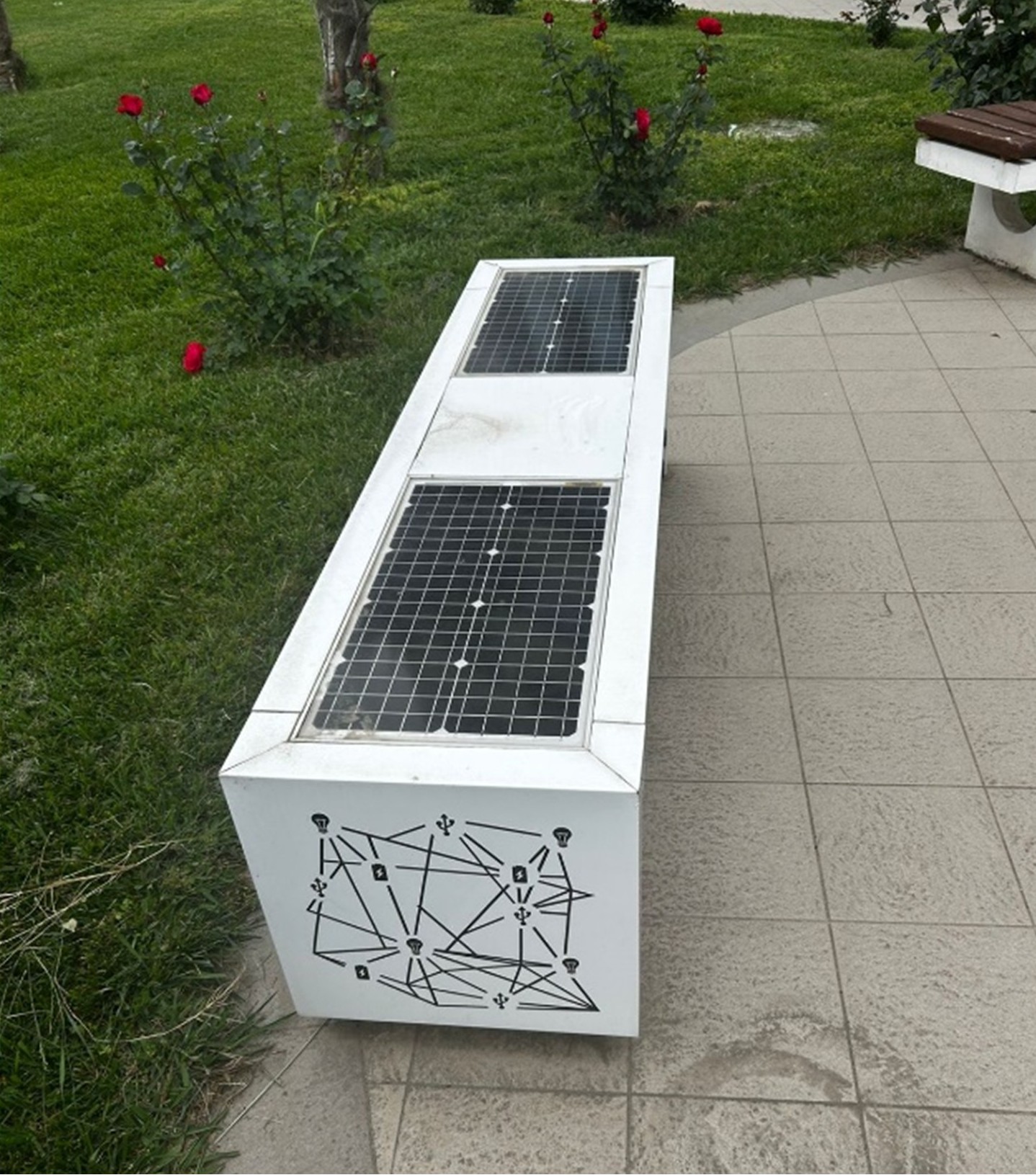
Smart Bench Utilizing Renewable Solar Energy

Informational Sign Promoting Energy Conservation
Electric Vehicle Charging Infrastructure
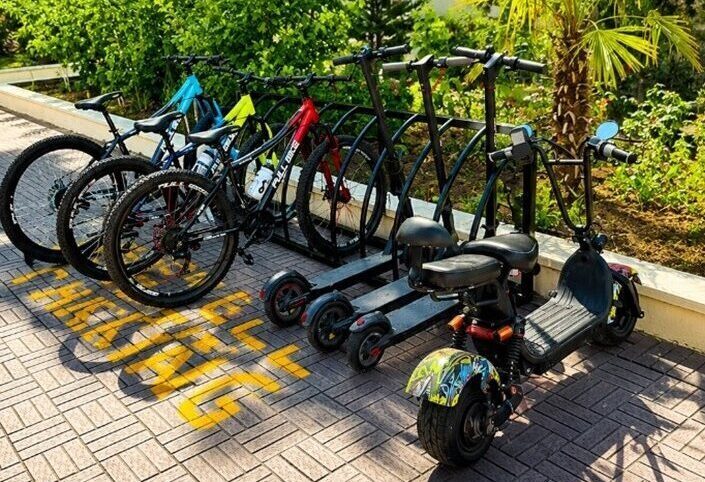
Mingachevir State University supports sustainable transportation and climate-friendly mobility by providing electric vehicle charging infrastructure on campus. The charging station encourages the use of electric vehicles, helping to reduce greenhouse gas emissions and dependence on fossil fuels. This initiative contributes to cleaner transportation practices and supports the university’s commitment to environmental sustainability and climate action.


Climate Change Awareness and Sustainable Energy Initiatives
Mingachevir State University actively promotes climate change awareness and sustainable energy practices through educational activities, industry collaborations, research initiatives, and student engagement programs. The university regularly organizes seminars, training sessions, debates, technical visits, and innovation competitions aimed at increasing knowledge of renewable energy, carbon management, climate resilience, and sustainable development.
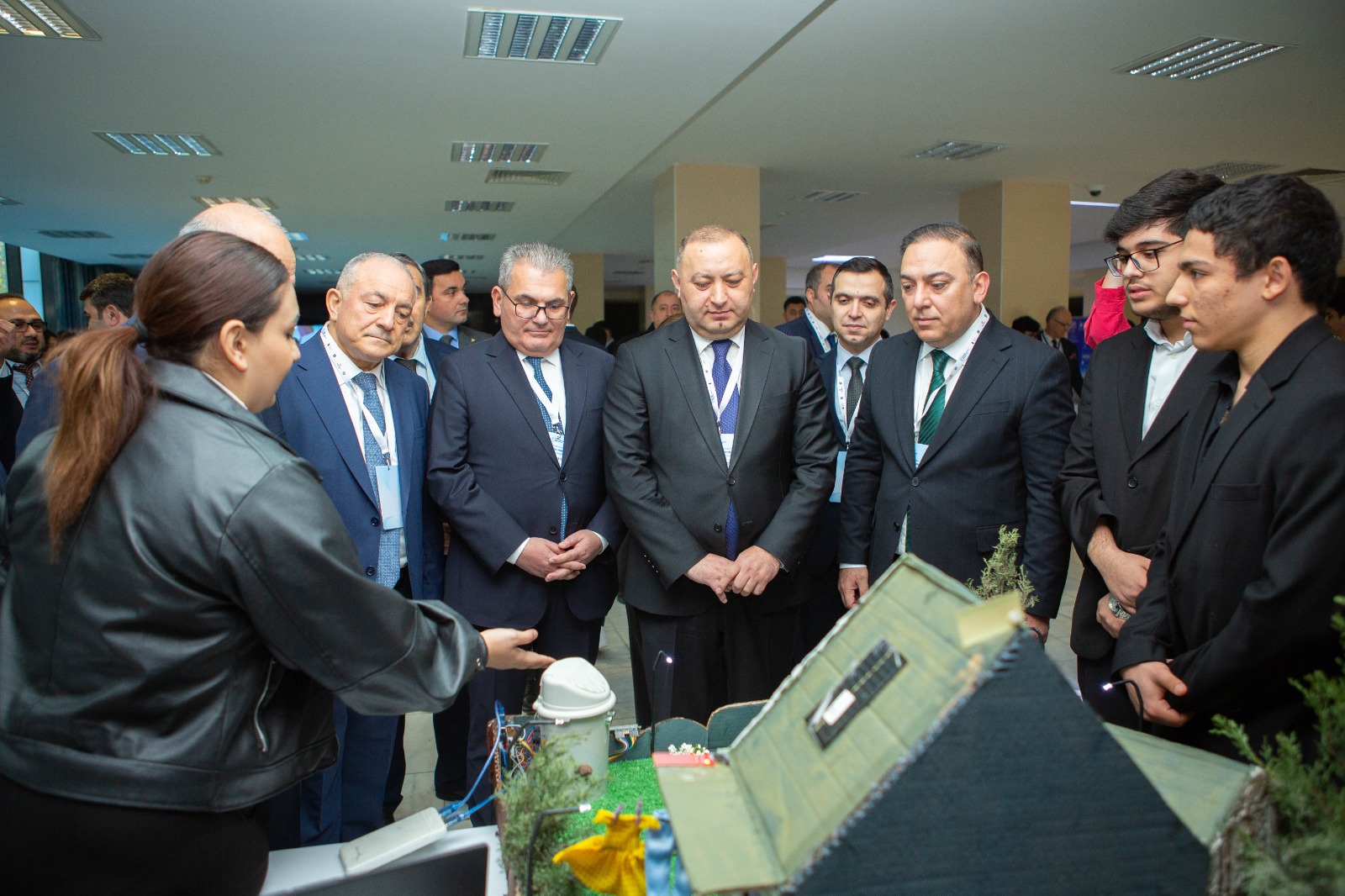
Students participated in a large-scale technical and environmental study visit to “Azerbaijan TPP” LLC, where they gained practical insights into energy production and environmental management. The university also organized the “Smart Home and Smart Energy Systems” Startup Competition, encouraging innovative solutions in energy efficiency and sustainable technologies.
Training programs on “Global Approaches to Carbon and Resource Management in Industry”, “Energy Security and Sustainable Development”, and “Assessment of the Impact of Alternative Energy on Climate Change” were conducted to strengthen awareness of climate-related challenges and sustainable energy solutions.
Furthermore, the Sustainable Energy and Regional Development Research Institute of the university held discussions with the Nakhchivan Solar Power Plant on university-industry integration and applied research opportunities in sustainable and green energy. The university also signed a cooperation memorandum with “Green Blue” LLC to support initiatives in the field of alternative energy.
In addition, an event entitled “Green Energy Systems and Climate Resilience: LCA, Carbon Footprint and Sustainable Policy Strategies” was organized to promote knowledge of climate action, carbon footprint reduction, and sustainable energy policies.