
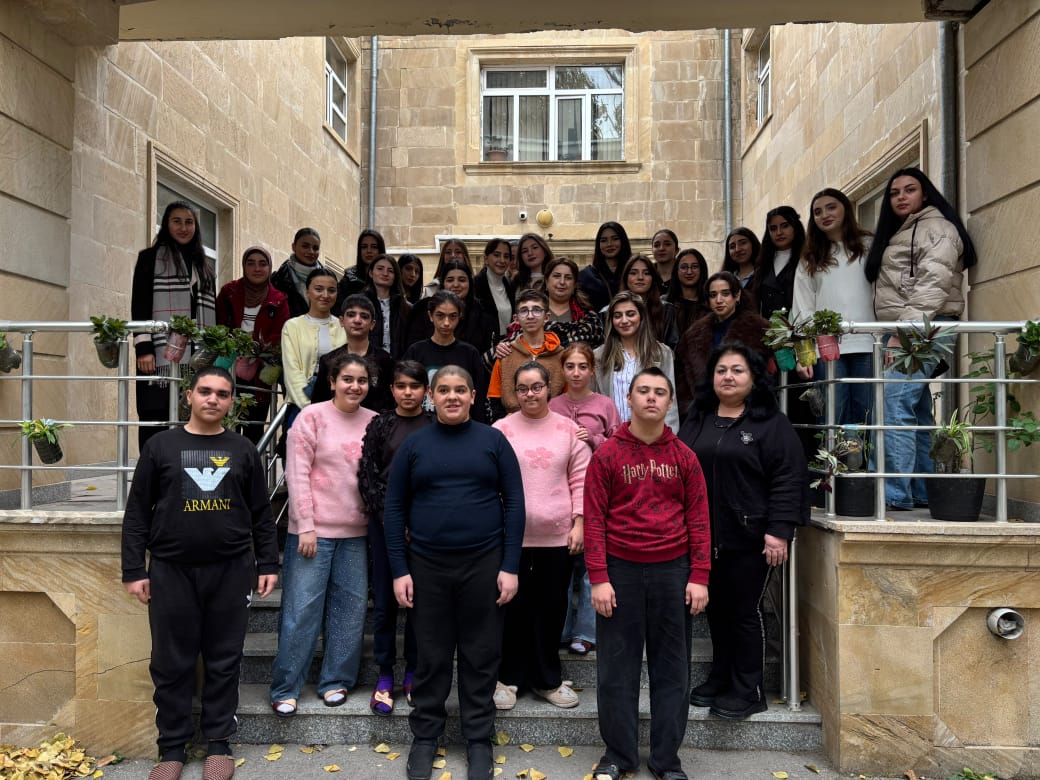
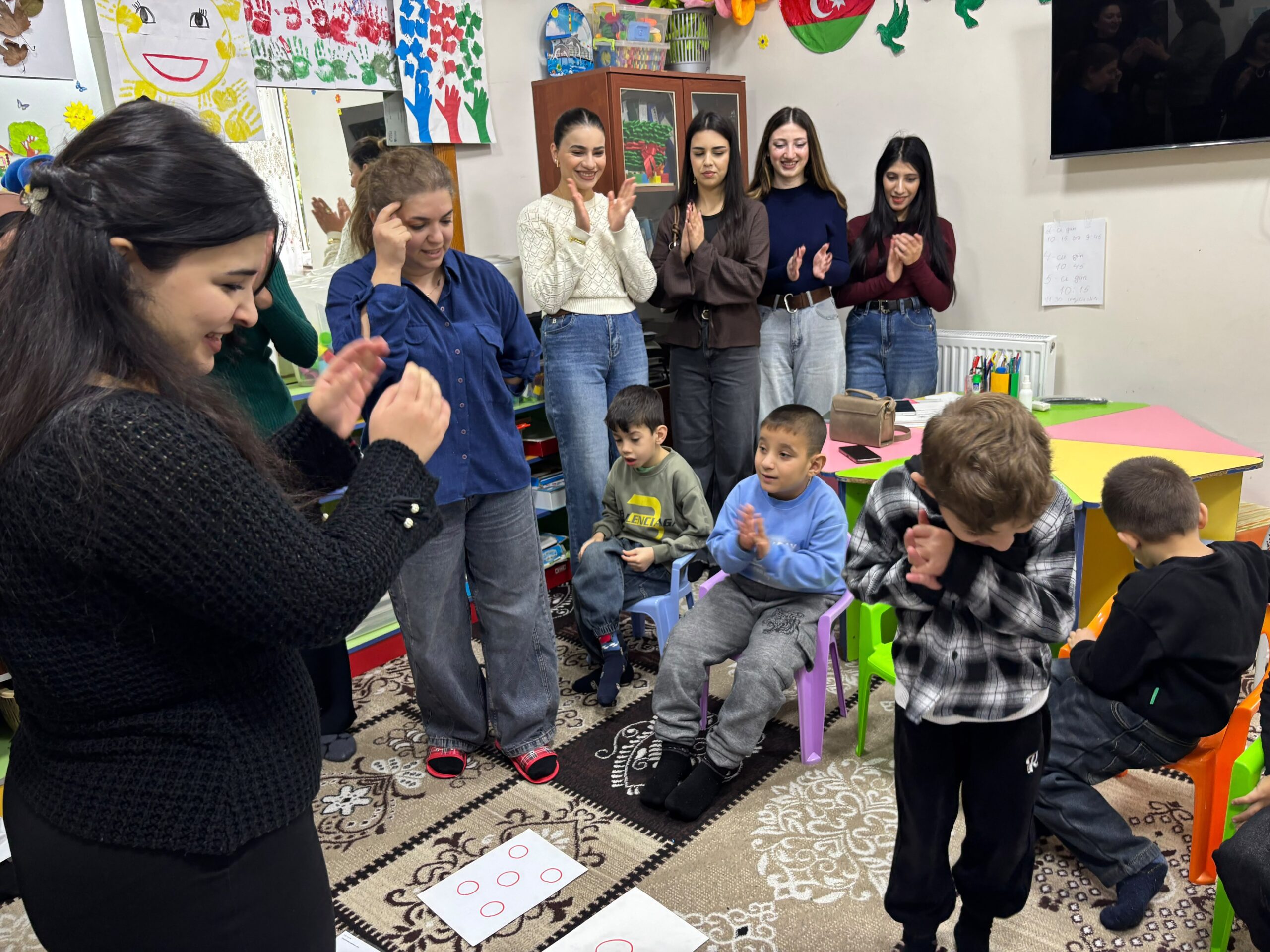
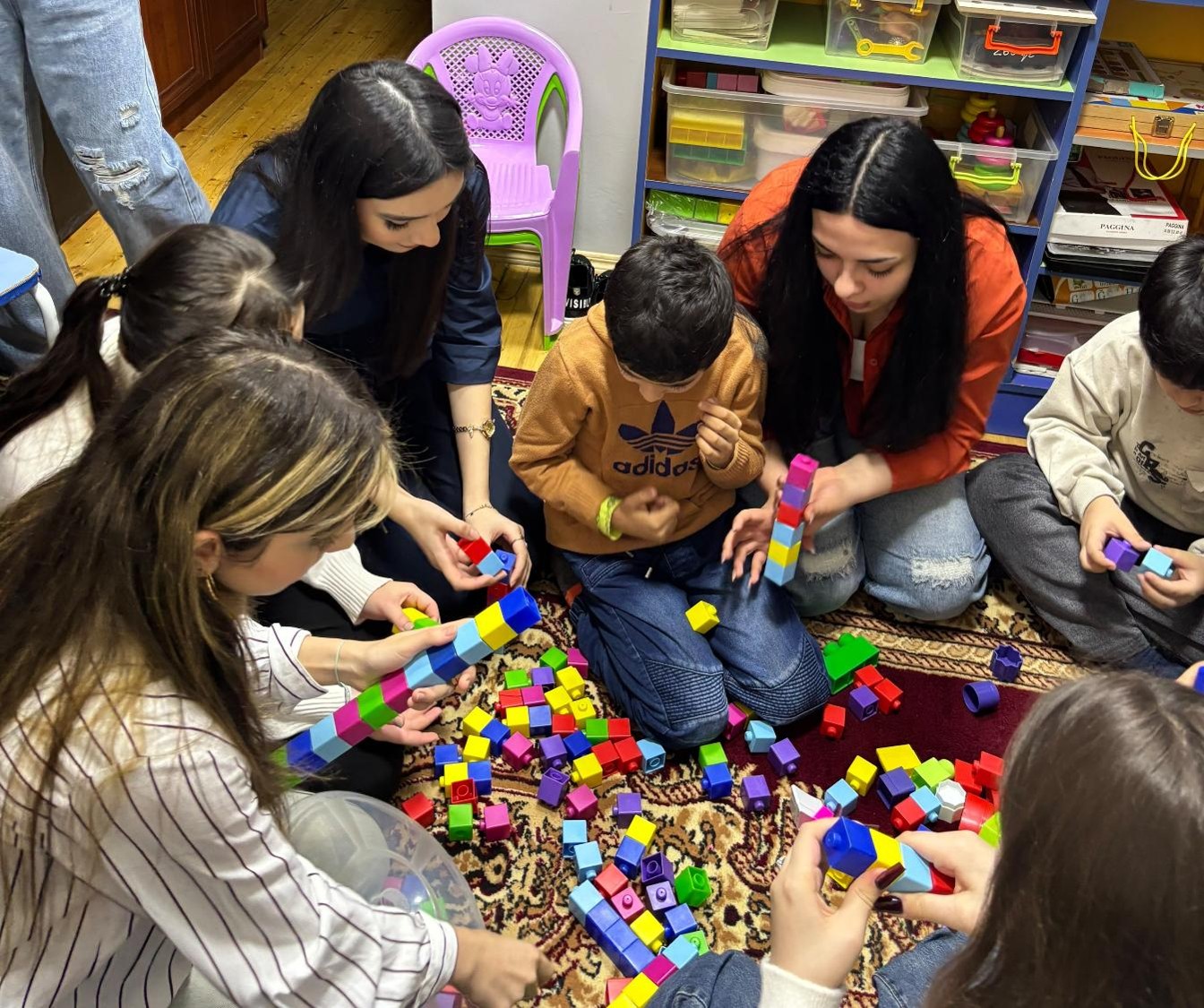
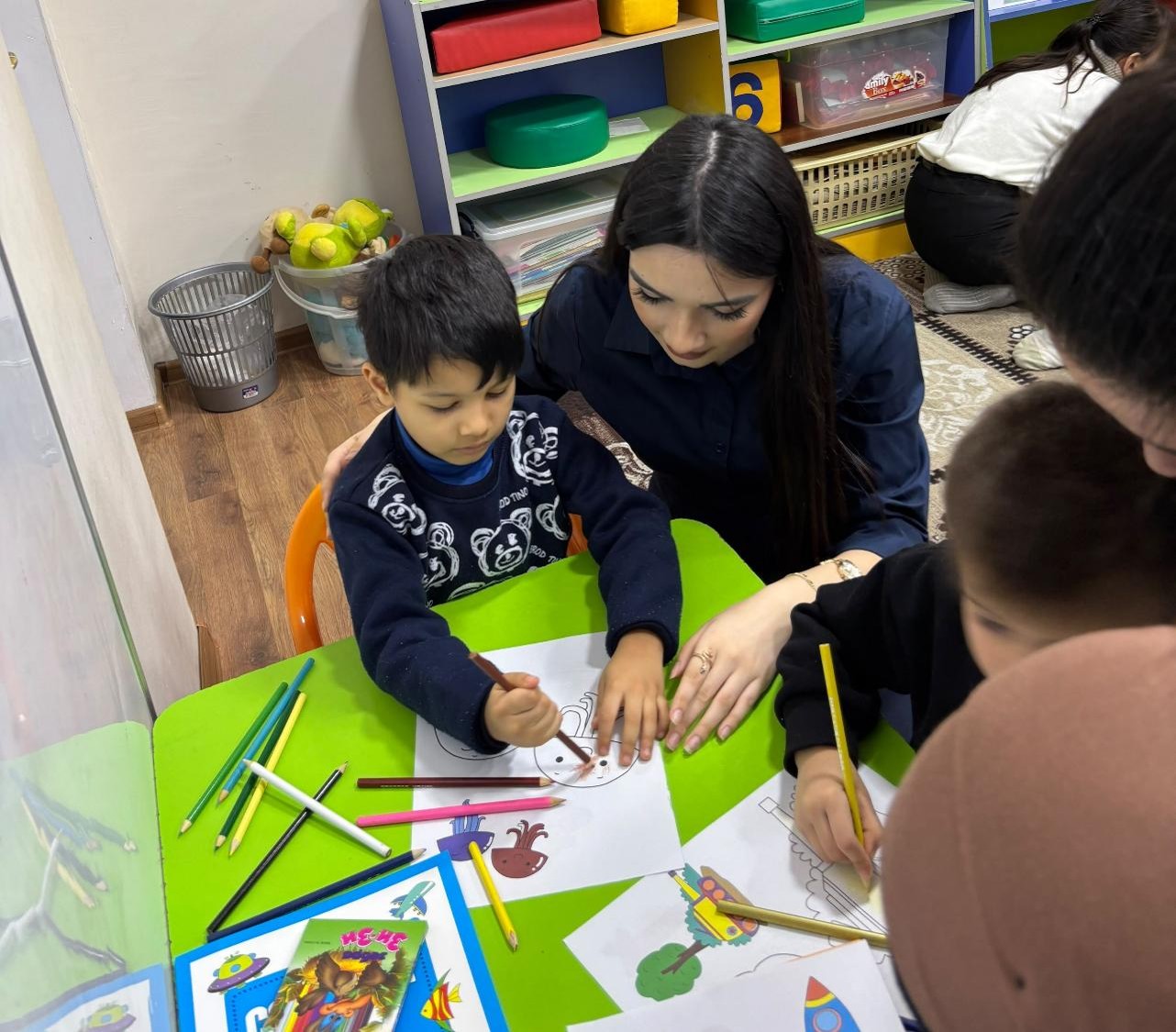
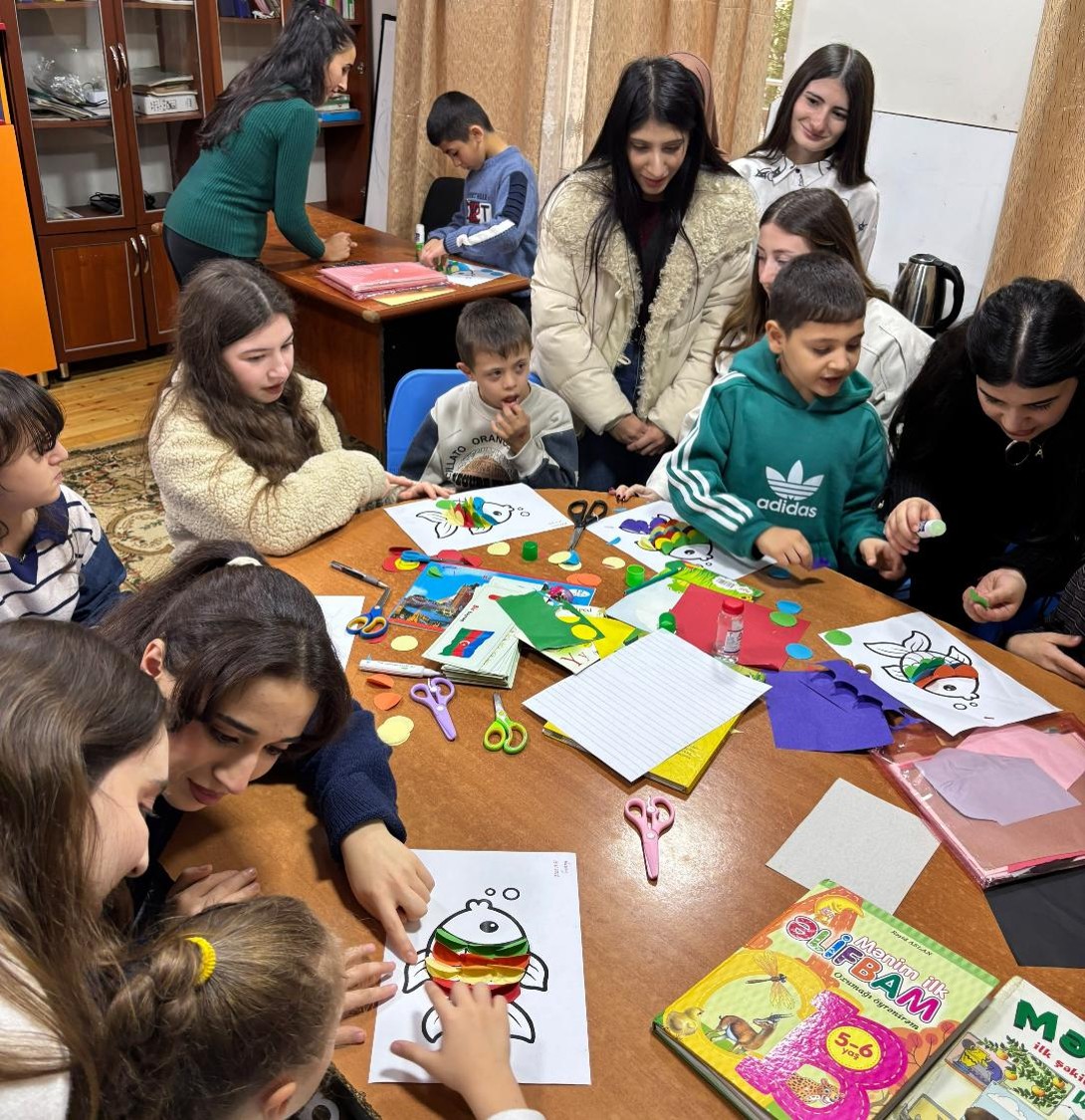
On 19 November 2026, students enrolled in the Preschool Education programme at Mingachevir State University (MSU), under the supervision of Gunel Najafova, Senior Lecturer at the Department of Pedagogy and Psychology, visited the Child and Family Support Centre operating in Mingachevir as part of an educational visit.
The visit was organised within the framework of the university course “Inclusive Education” and aimed to enrich students’ theoretical knowledge with practical experience in a real educational and social support environment, familiarise them with the specific aspects of pedagogical work with children with special educational needs, and develop the professional competencies of future teachers in inclusive education.
During the visit, students gained detailed insights into the Centre’s activities, its efforts to support children’s development and social adaptation, and the approaches implemented to address their individual needs. By interacting with the children at the Centre and participating in various activities, students had the opportunity to observe the practical application of inclusive approaches and enhance their pedagogical communication skills when working with children with diverse developmental characteristics.
Particular attention during the meeting was given to recognising each child’s individual characteristics, level of development and potential, adapting the learning process to individual needs, ensuring equal opportunities for participation, and creating an educational environment free from discrimination. Practical observations enabled students to gain a deeper understanding of the teacher’s role and pedagogical responsibilities in an inclusive education environment, as well as the importance of individualised teaching approaches.
It should be noted that preparing future educators in line with the requirements of the labour market and modern society, while developing their practical and social competencies alongside theoretical knowledge, is one of the key priorities of the educational process at MSU. In this regard, the “Inclusive Education” course covers such relevant areas as Universal Design for Learning, the development of individualised teaching strategies, lesson planning in inclusive classrooms, monitoring students’ developmental progress, and the assessment of learning outcomes.
Furthermore, the course places emphasis on cooperation among parents, teachers, psychologists, speech therapists and special education specialists, the application of multidisciplinary approaches, and the adaptation of learning environments to children’s individual needs.
Such practice-oriented initiatives constitute an integral part of MSU’s efforts to promote quality and accessible education for all, strengthen social inclusion, expand community engagement, and integrate sustainable development values into higher education. The University’s approach, which encourages interaction between students and real-life social environments, contributes to their development as both professionally competent and socially responsible specialists.
Thus, linking theoretical education with practical activities contributes to strengthening the professional training of future teachers, enhancing their competencies in inclusive education, and fostering a pedagogical mindset based on respect for every child’s rights, individual characteristics and potential.