



Mingachevir State University (MSU) continues its awareness-raising initiatives aimed at promoting the principles of social responsibility, inclusivity, and sustainable development.
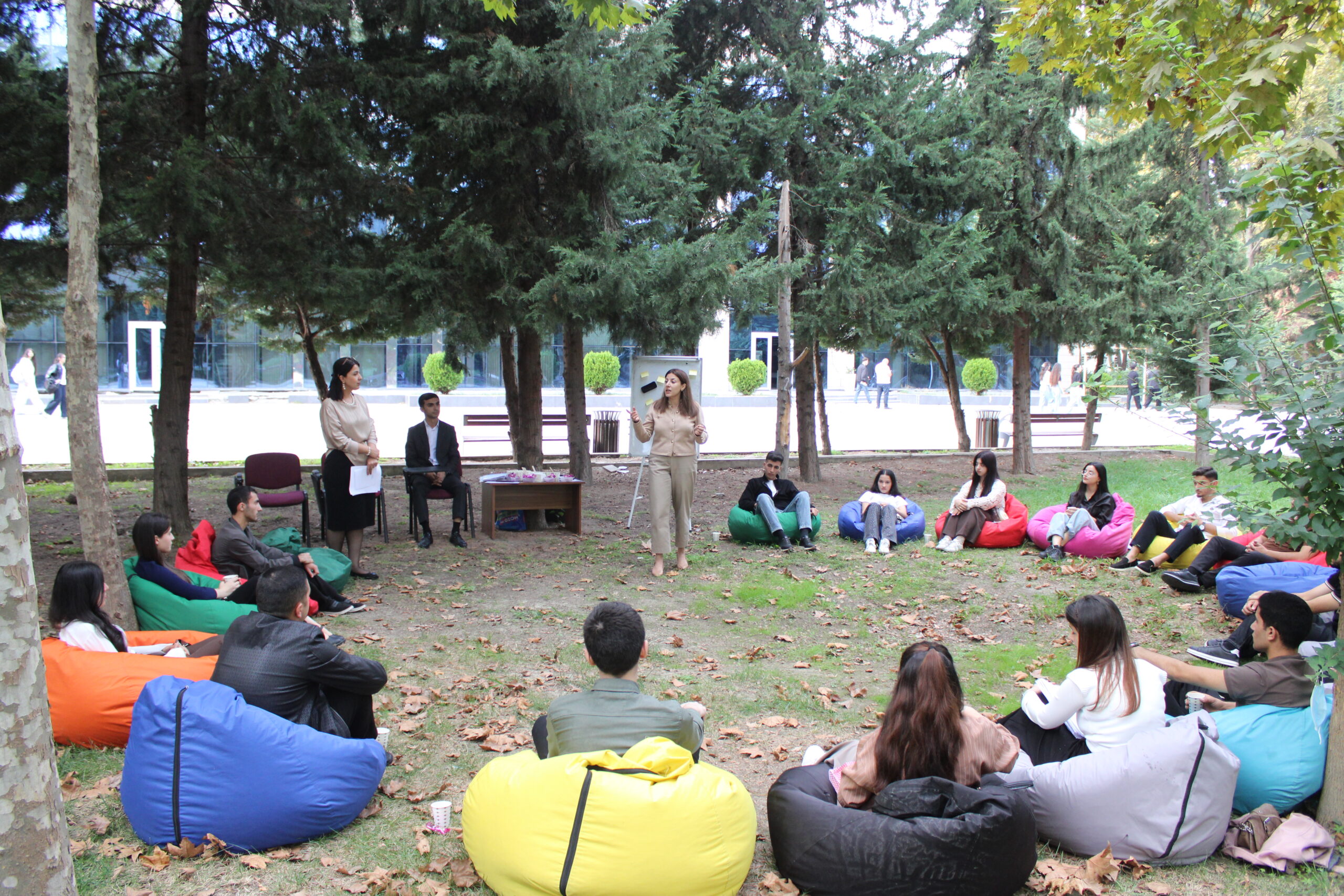
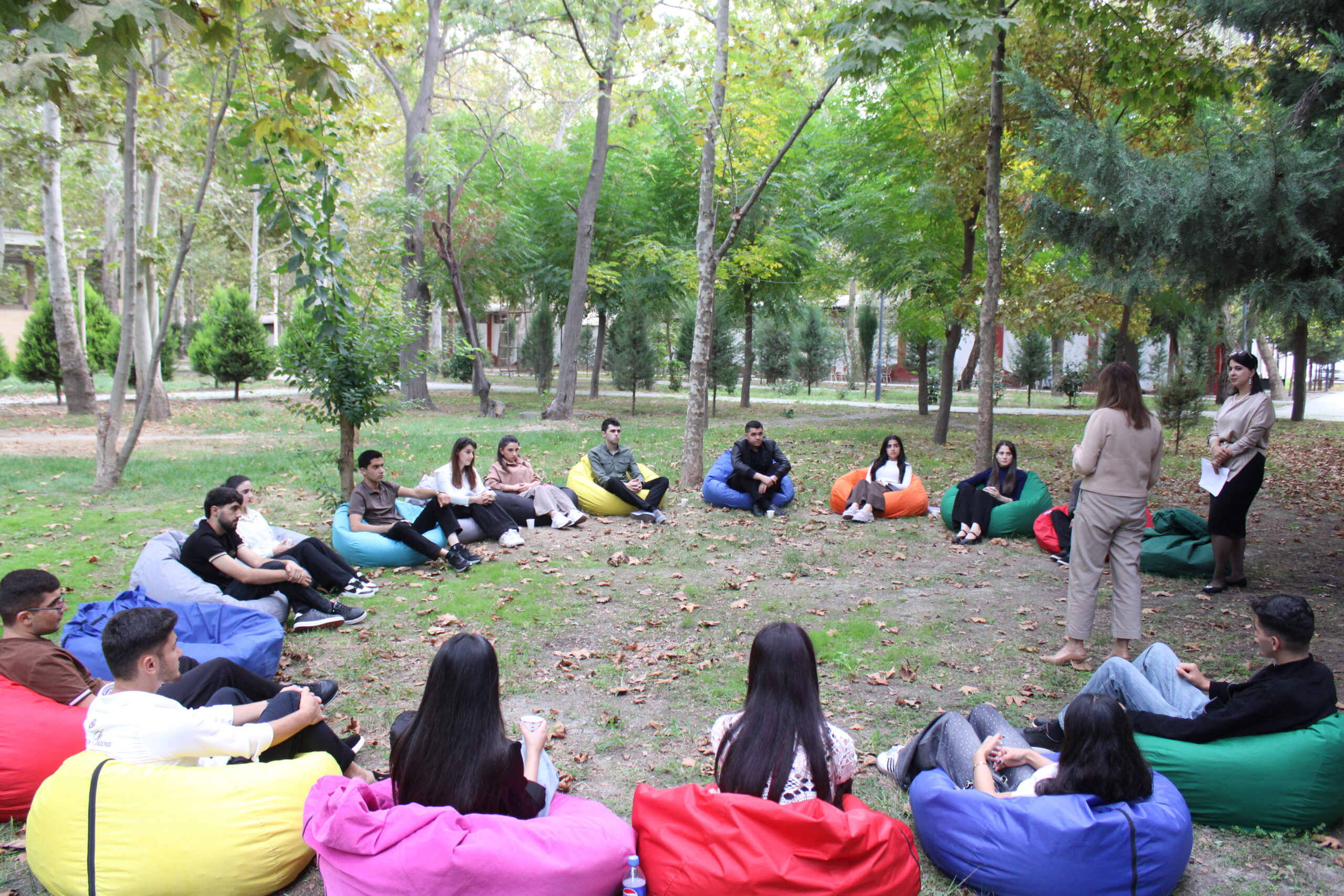
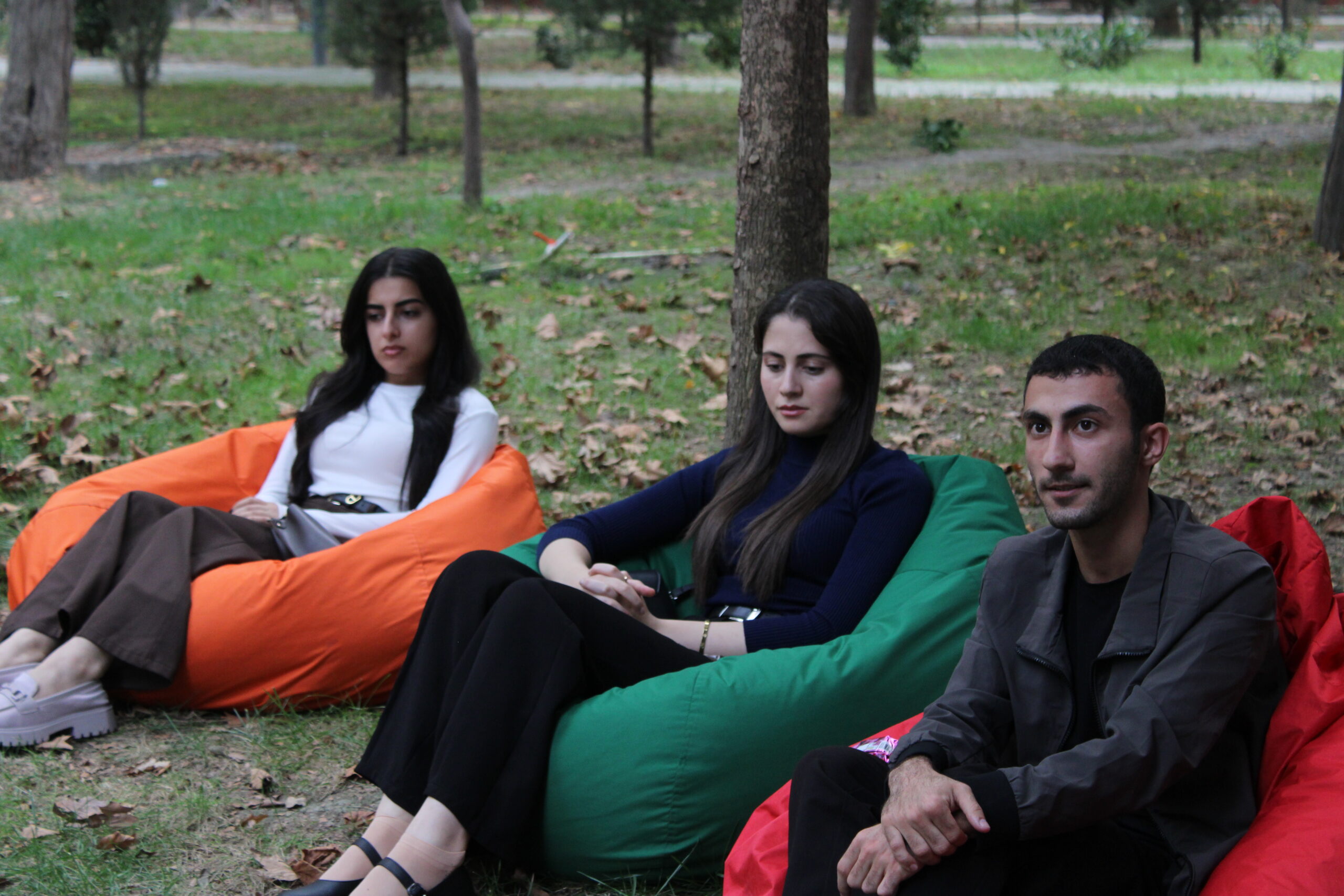
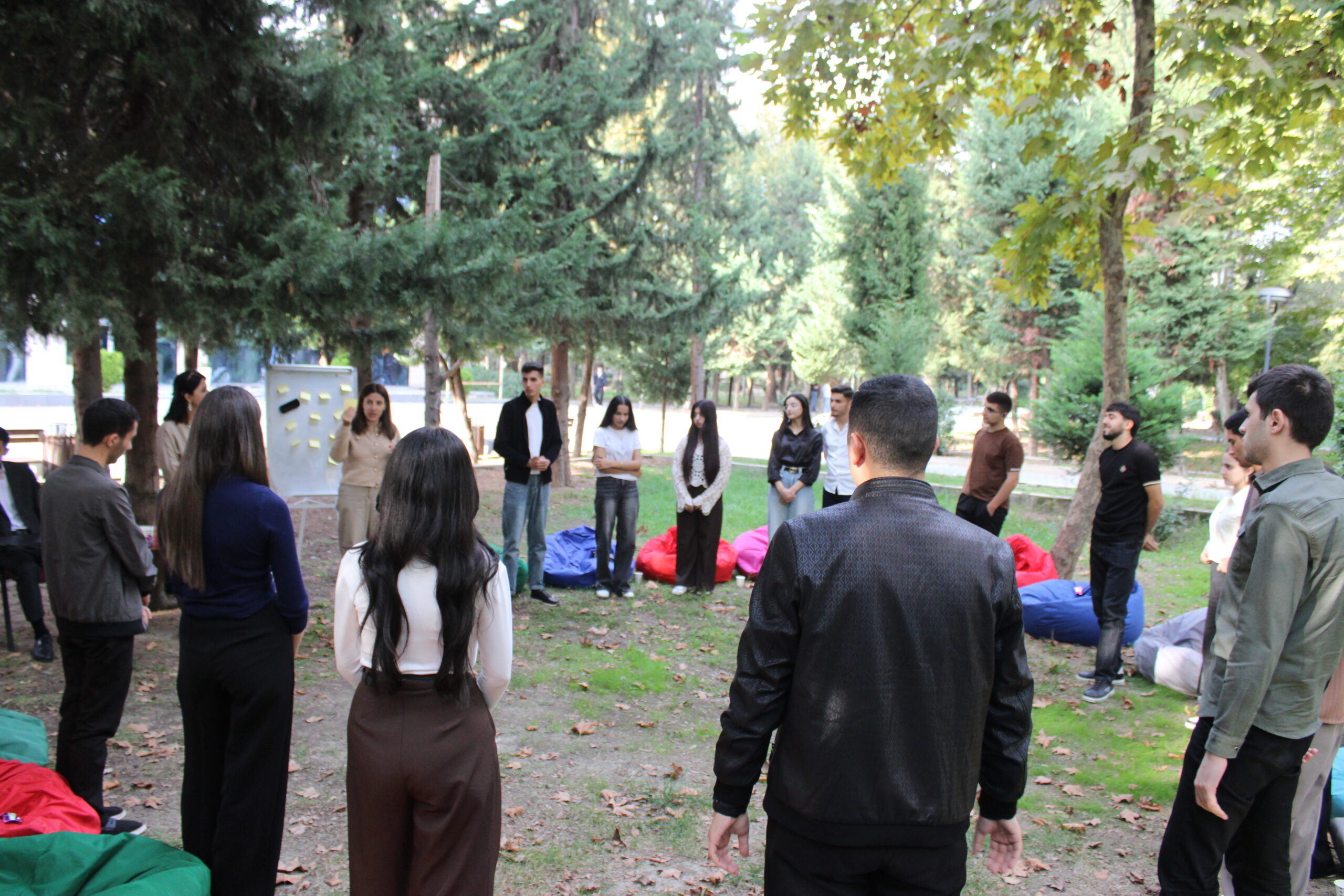
Within the framework of the “Year of Urban Planning and Architecture,” an interactive educational workshop entitled “The Social Architecture of the City: From Gender Equality to an Inclusive Society” was held on October 15, 2026, in the open-air area of the Mingachevir Youth House, with the participation of several university students, under the organization of Mingachevir State University.
The main objective of the event was to enhance young people’s knowledge and skills in gender equality, social inclusion, equal opportunities, and civic participation, while strengthening their sense of personal responsibility for building a fairer, more accessible, and sustainable society.
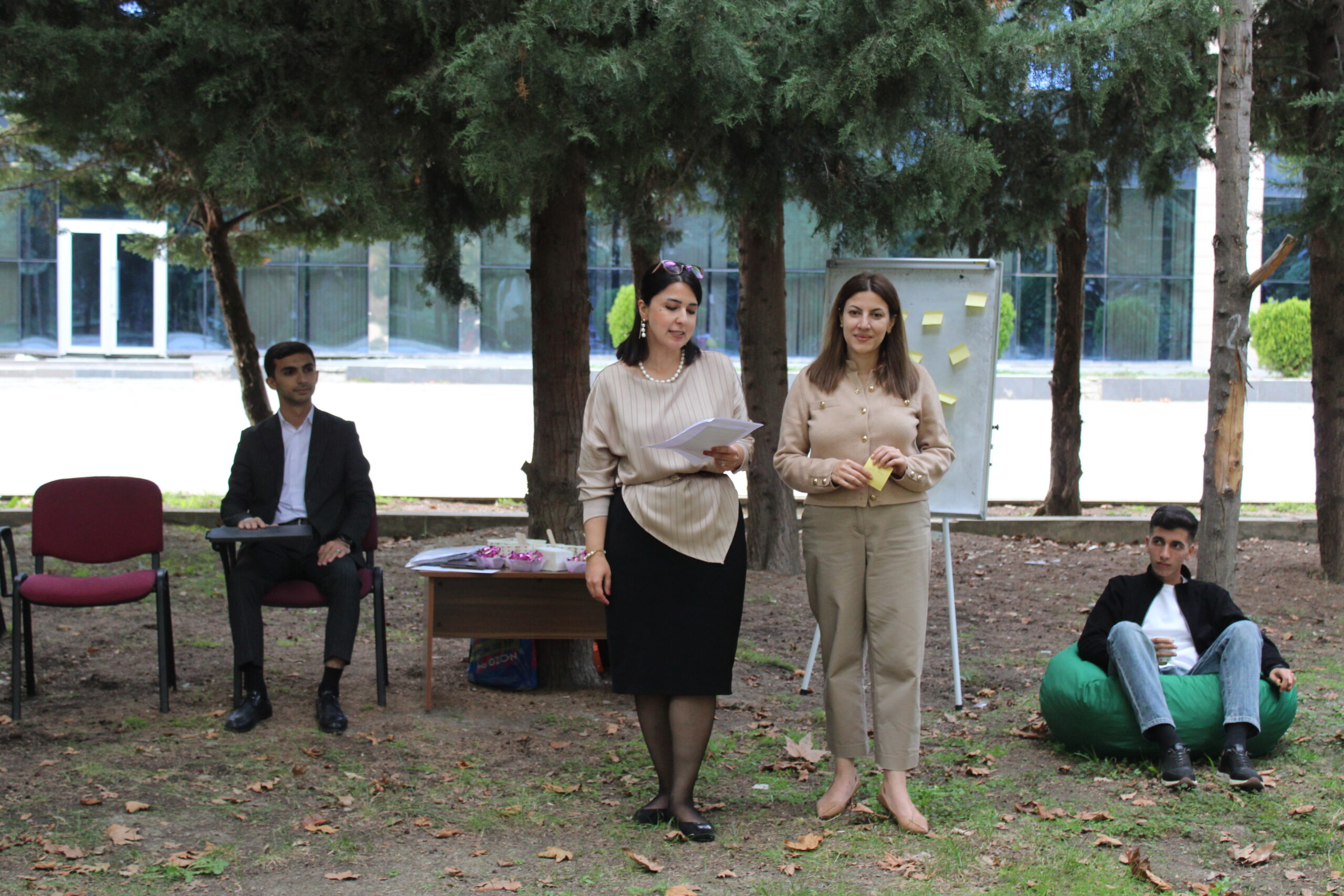
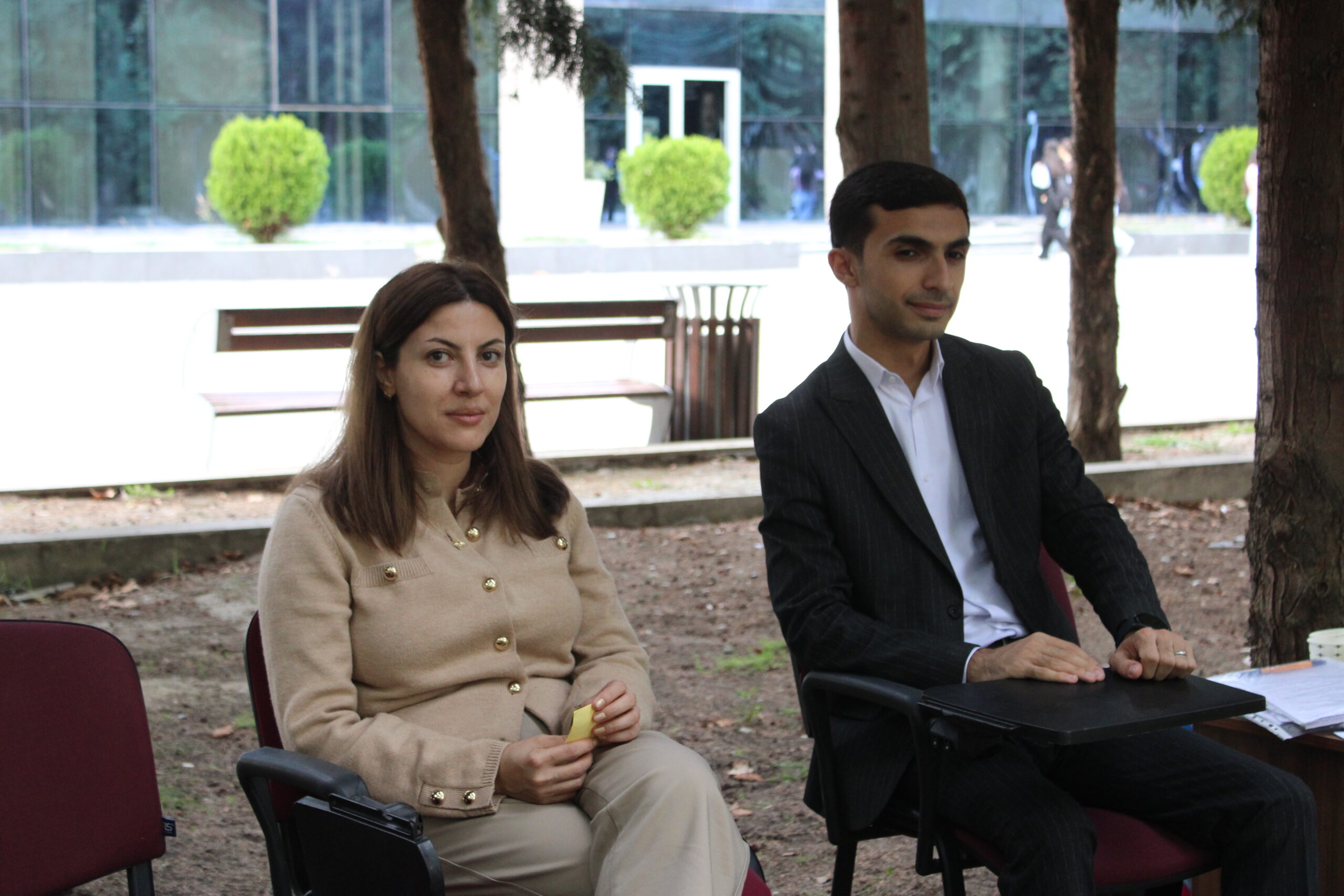
The workshop was moderated by Sevinc Samadova, a lecturer at MSU’s Department of Pedagogy and Psychology. As part of the event, Humay Baxishova, a club leader at the Mingachevir Youth House Social Services Institution, delivered a presentation entitled “Gender Equality — A Strong Society,” highlighting the importance of gender equality for social development, public well-being, and societal sustainability.
With the support of facilitator Gultakin Knyazova, participants took part in the session entitled “Step by Step Towards Equality: Practical Stages.” Through interactive activities, they discussed the challenges arising from social stereotypes, discrimination, and diverse social experiences, while evaluating the importance of empathy, mutual understanding, and equal treatment through practical examples.
The workshop programme included the following interactive activities:
- “Absurd Stereotype” — an icebreaker activity designed to encourage open communication among participants, identify initial stereotypes, and strengthen interaction within the group;
- “Envelope of Case Studies” — discussions on social equality, discrimination, and inclusion based on real-life stories;
- “The Opposite Lens” — exercises aimed at developing empathy, understanding different perspectives, and gaining new insights into social relationships through role reversal;
- “The Tree of Equality” — identifying personal commitments and practical steps that can be taken in everyday life to help build an inclusive future.
At the conclusion of the programme, a well-being corner was arranged for participants. The discussions were summarised, and the role of individual actions, collective initiatives, and social solidarity in ensuring equal opportunities was emphasised.
The future development of urban planning and architecture is closely linked not only to the construction of modern infrastructure but also to creating equal opportunities for all, ensuring the accessibility of public spaces, and strengthening social inclusion. Over the next decade, strengthening human capital, encouraging the active participation of young people in public life, and ensuring gender equality will be among the important priorities of Azerbaijan’s socio-economic development and sustainable society-building. In this regard, raising young people’s awareness based on the principles of social responsibility, empathy, and equality contributes to their active participation in shaping a more inclusive and sustainable future.
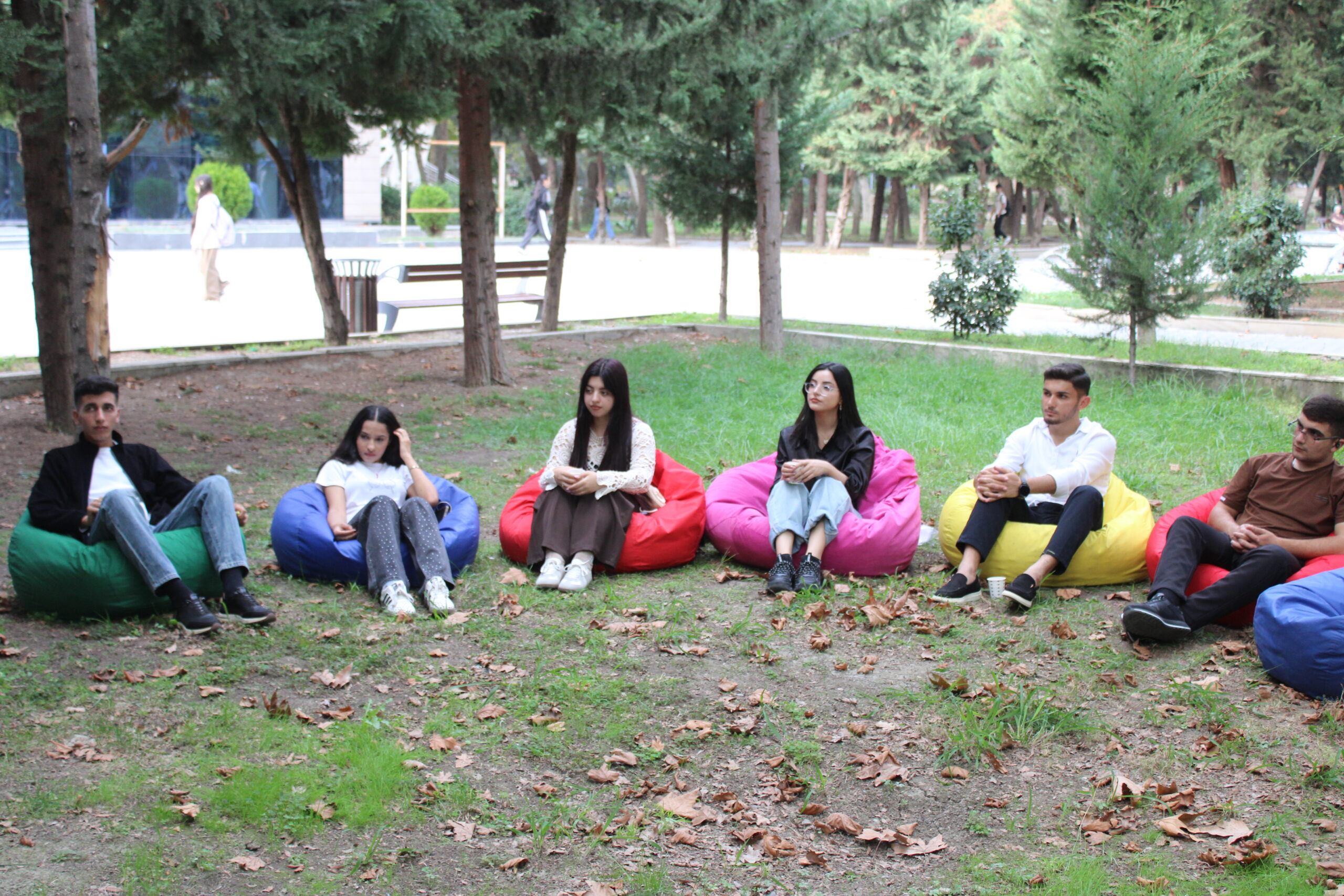
The workshop, held in an open-air setting, contributed to expanding students’ knowledge of social issues through active participation, exchange of ideas, and practical activities. It also supported the development of their critical thinking and empathy skills, while fostering a better understanding of their personal contributions to building an inclusive society.
Mingachevir State University continues to promote student-centred initiatives, social responsibility, equal opportunities, and a culture of sustainable development as key priorities of its higher education activities, building on the integration of education, research, and community engagement.