
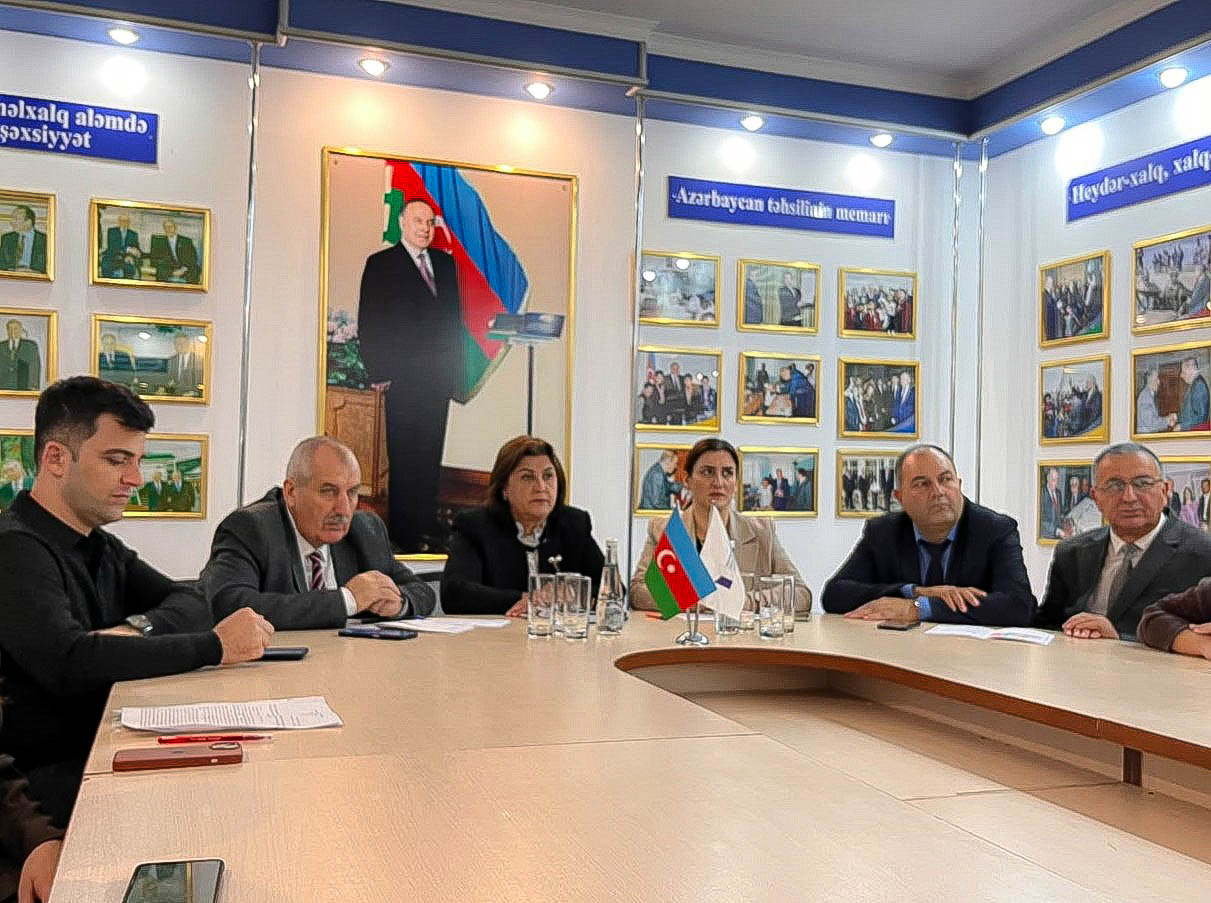
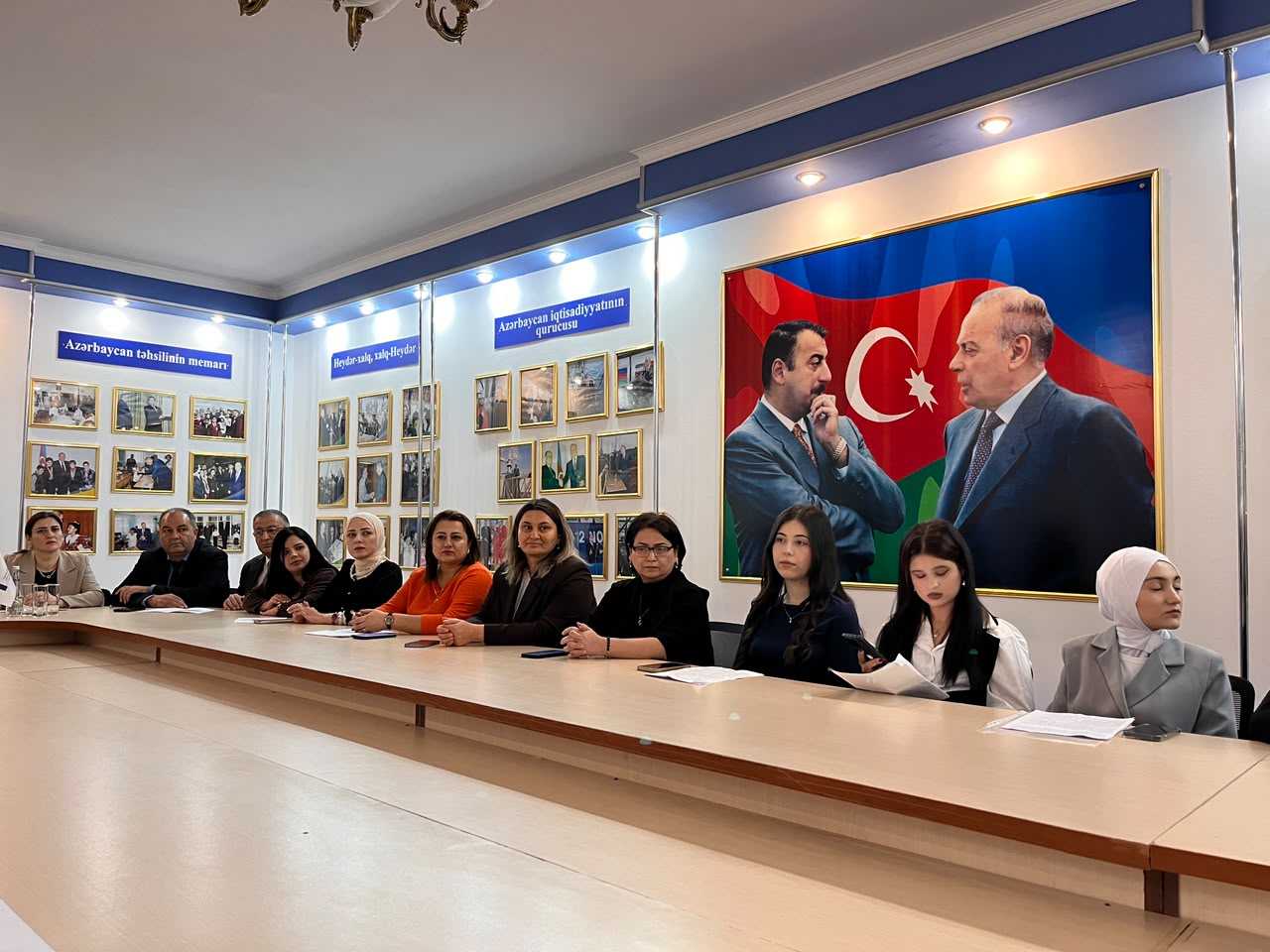
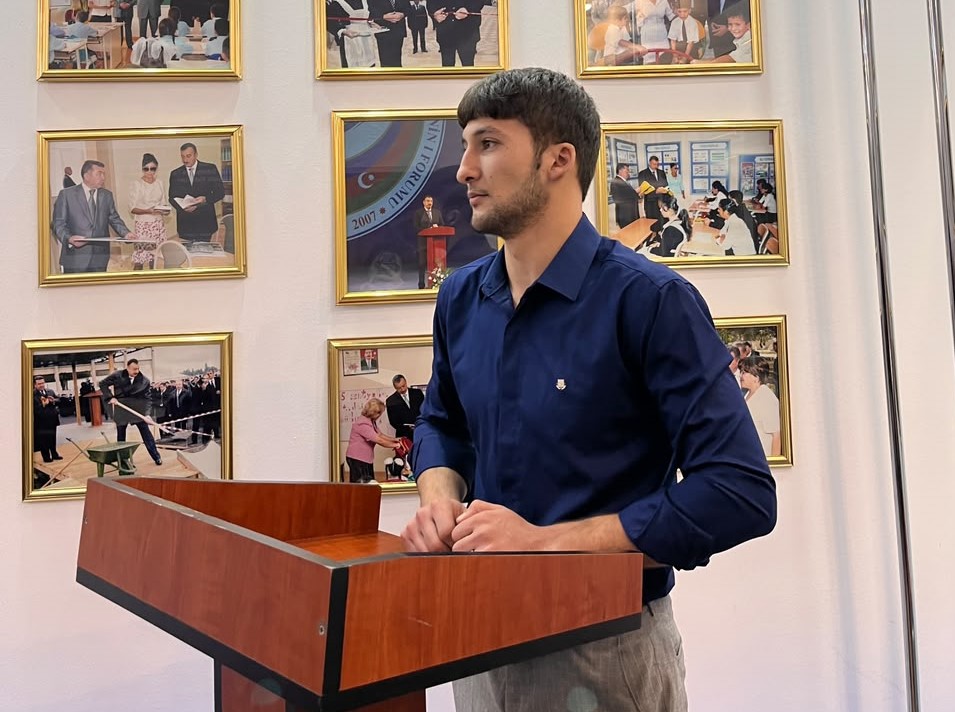
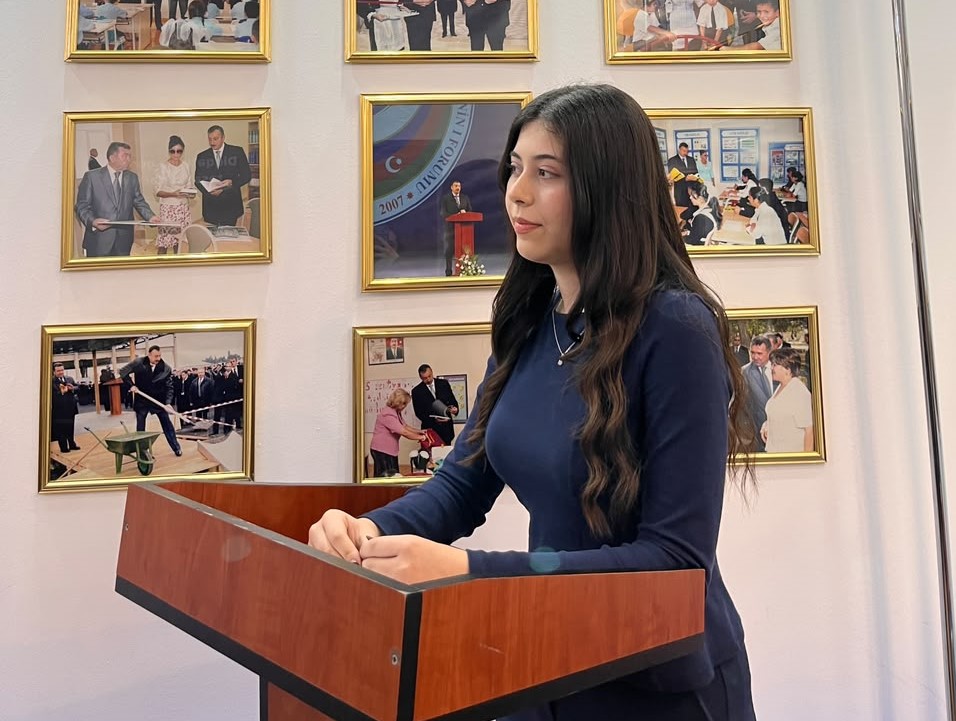
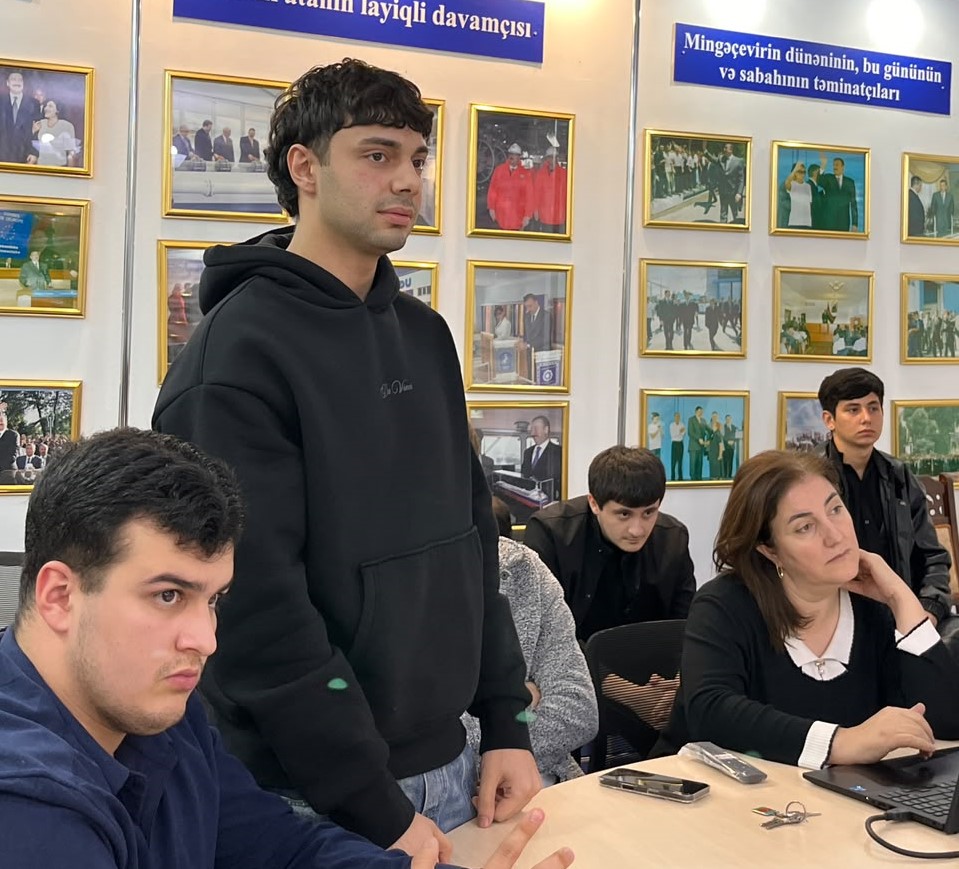
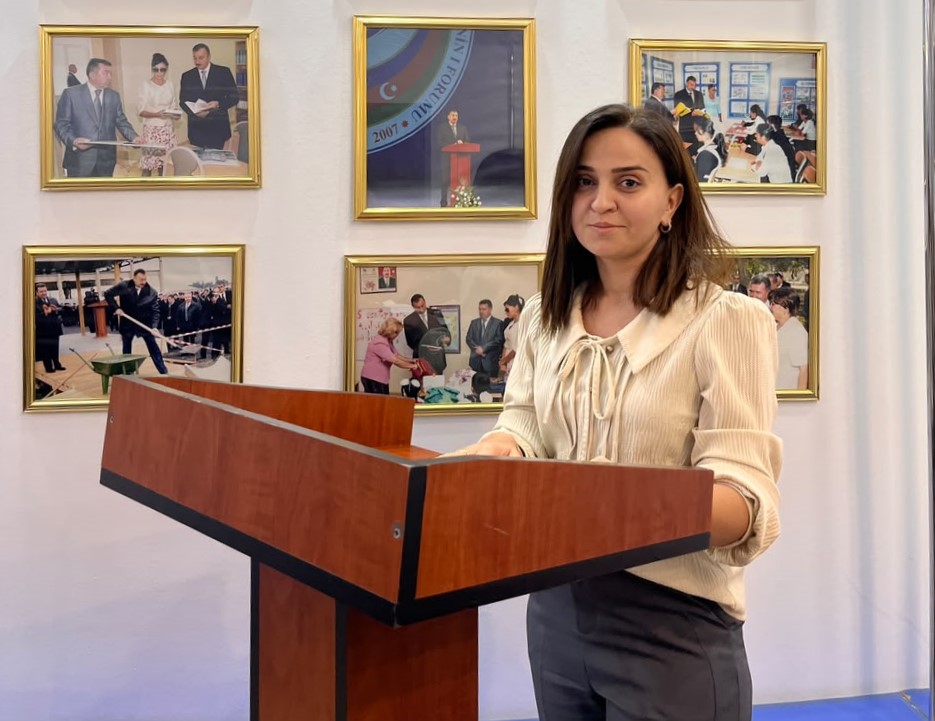
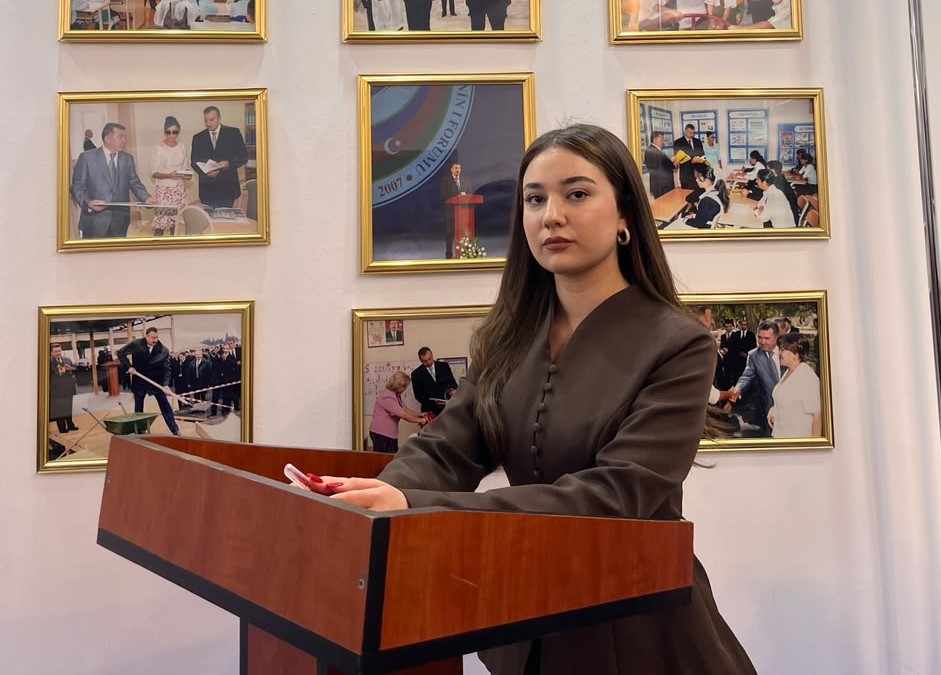
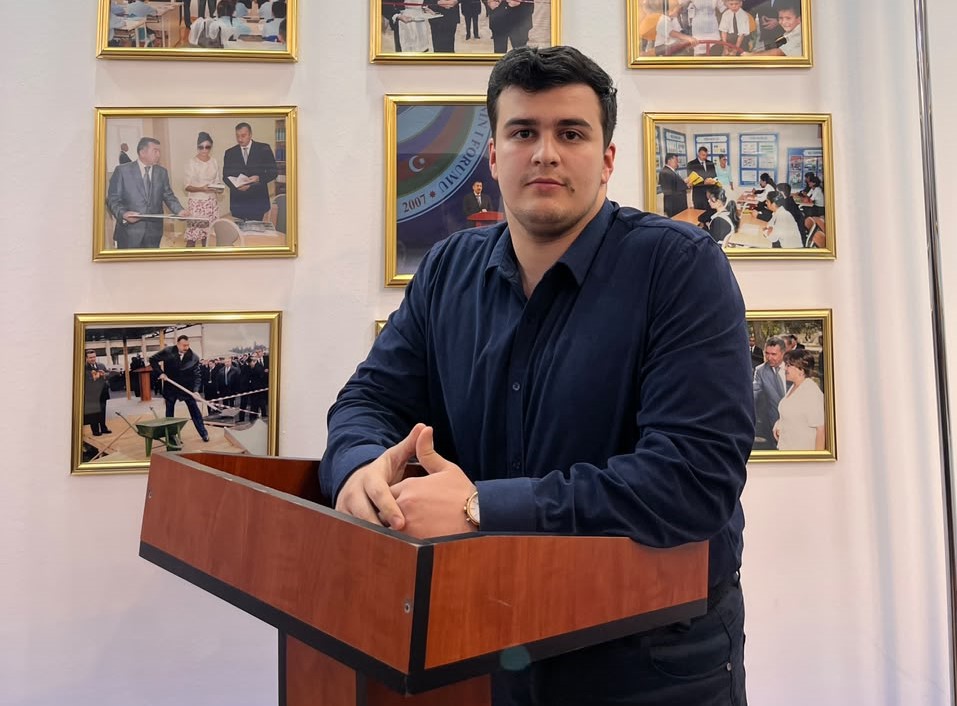
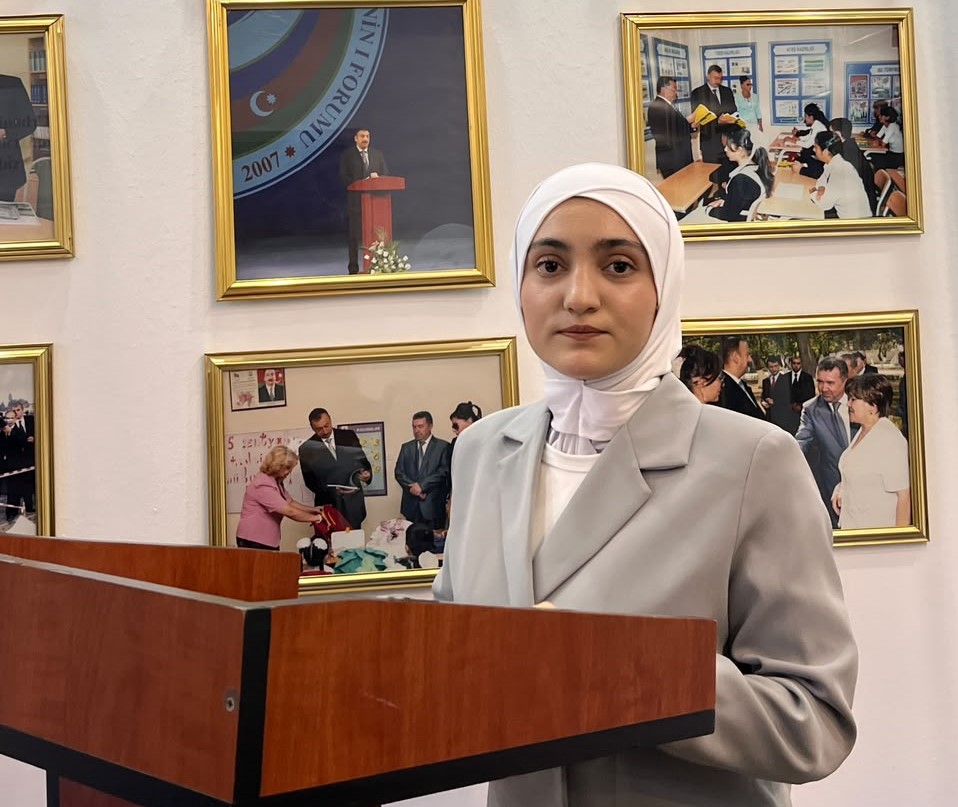
On November 6, 2026, the 22nd Scientific Conference of the Student Scientific Society was held at the Faculty of Engineering of Mingachevir State University (MSU) within the framework of the “Year of Urban Planning and Architecture.” Attended by the faculty leadership, academic staff, and students, the conference featured student research on the development of sustainable urban environments, energy efficiency, and environmental safety.
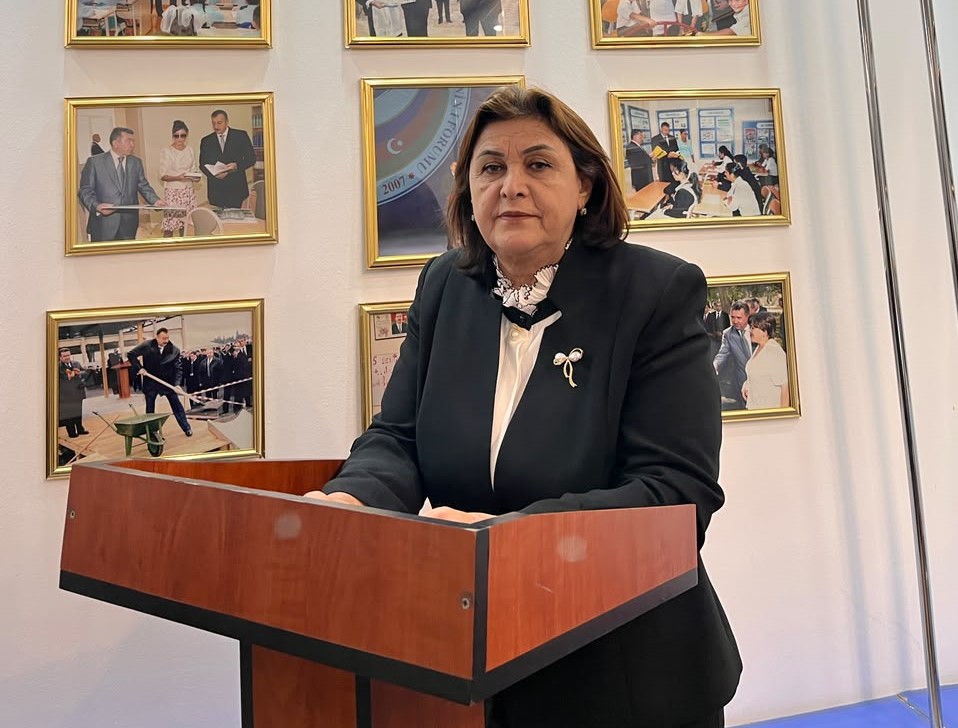
Opening the conference with introductory remarks, Almaz Aliyeva, Dean of the Faculty of Engineering, stated that urban planning and architecture play an important role in the country’s socioeconomic development, the preservation of national cultural heritage, and the creation of modern living environments. Highlighting the significance of scientific research in these areas, the dean emphasized the importance of engaging students in research activities and developing their analytical thinking and scientific presentation skills.
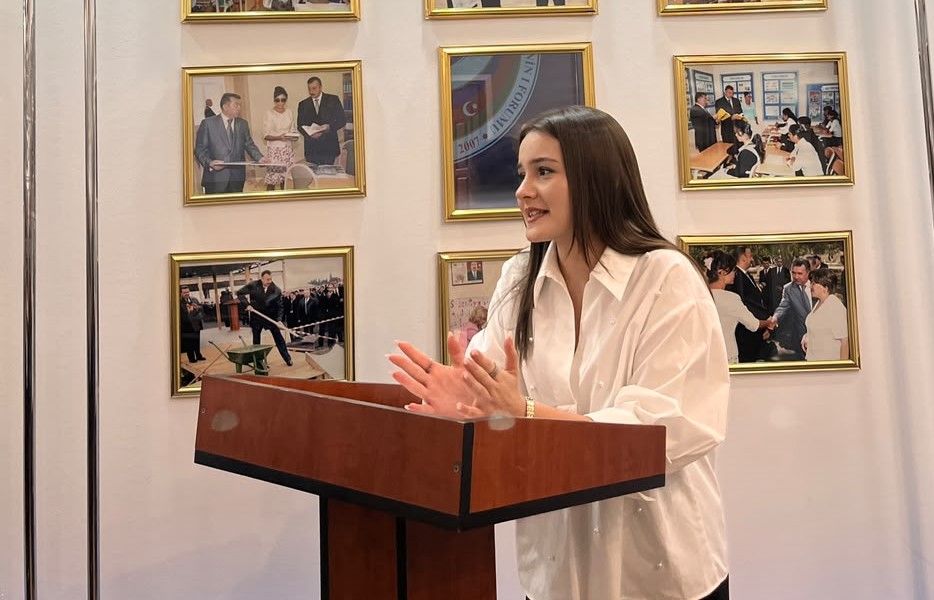
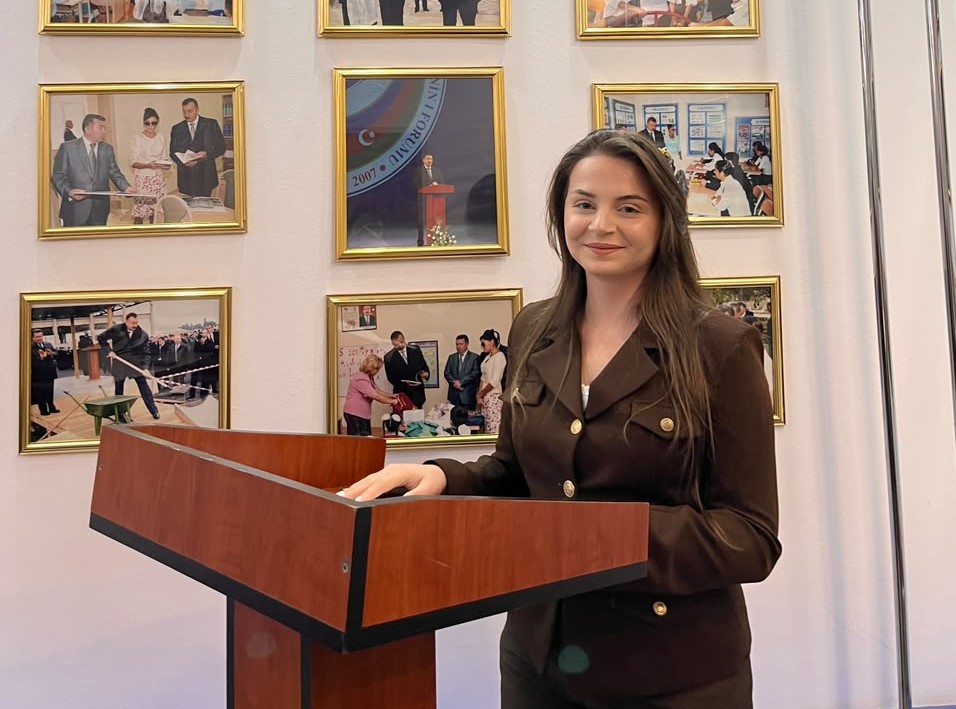
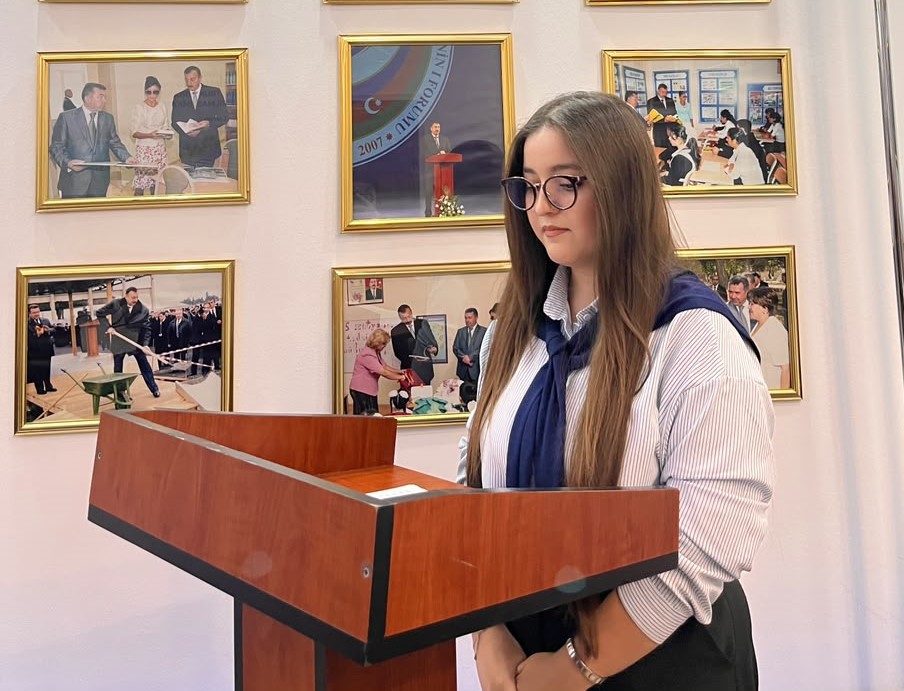
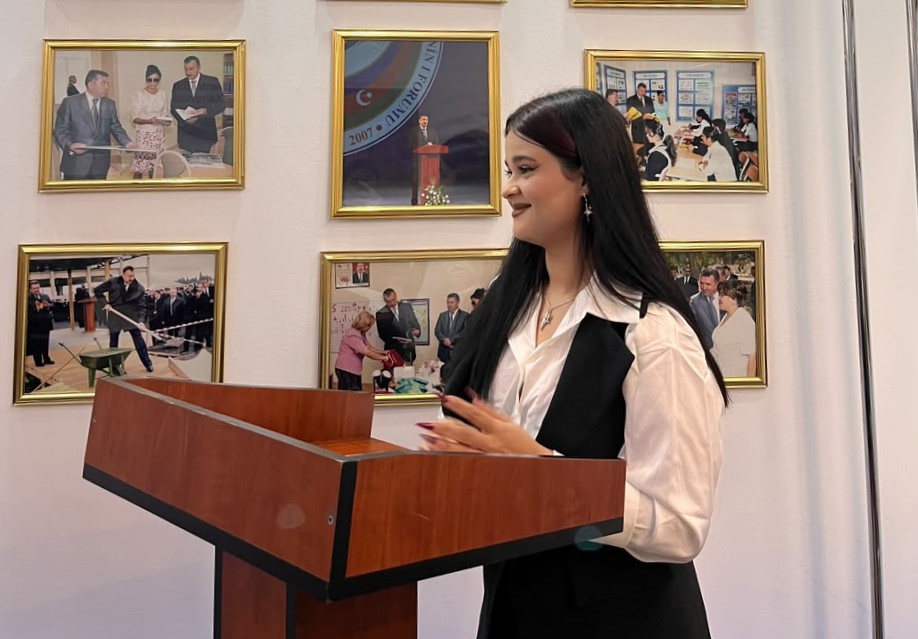
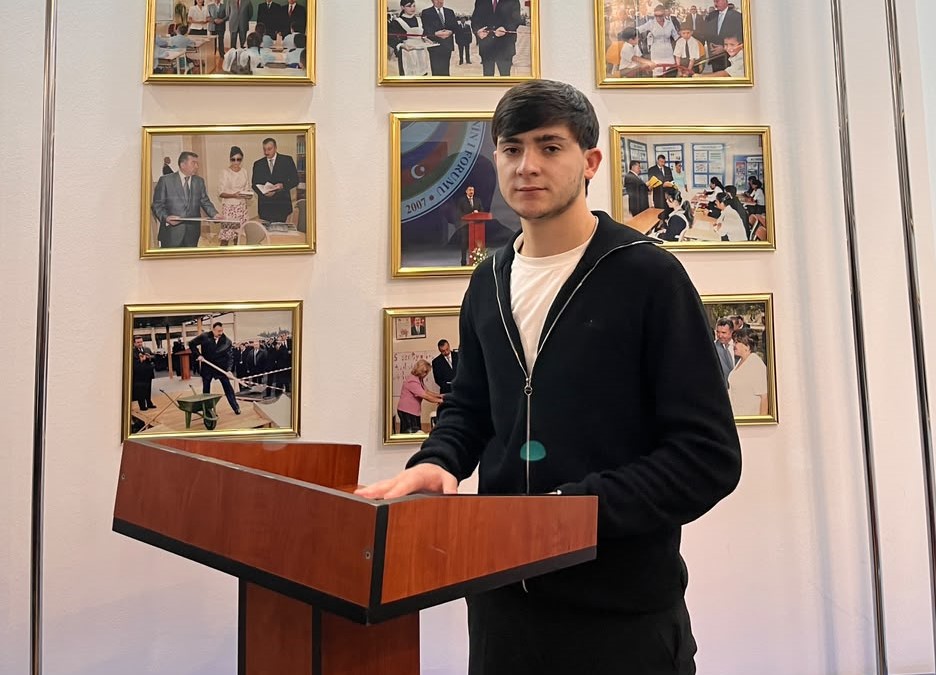
At the conference, students delivered presentations addressing topical issues in urban planning and engineering. Inji Abdullayeva presented her research on “Ecology in Azerbaijani Architecture: From the Past to the Future,” Amin Ismayilov on “The Development of Renewable Energy Sources in Azerbaijan: A Comparative Analysis of Solar and Wind Energy Efficiency,” and Amin Ahmadli on “A Scientific and Analytical Assessment of Regenerative Braking Systems in Road Transport and Their Multiplier Effects on the Urban Ecological Environment.”
Waste management and healthy living environments were also addressed in the presentations. Solmaz Gasimli spoke on “The Current State of Industrial Waste Management in Azerbaijan and Directions for Improvement,” Vasila Ahmadzada on “A Clean City – A Healthy Future: Modern Approaches to Waste Management,” and Fatima Gurbanova on “The Impact of Environmentally Friendly Construction Materials on Human Health and the Quality of the Living Environment.”
Laman Majidova presented on “Opportunities for Developing Sustainable Architecture and Energy-Efficient Urban Infrastructure in Mingachevir,” Amin Asadov on “The Organization of Rescue Operations during Emergencies and Safety Measures in Urban Planning Activities,” and Nargiz Vahidli on “The Ecological Foundations of Sustainable Urban Planning: Biodiversity Conservation and the Sustainability of Ecosystem Services in the Context of Urbanization.”
Ravana Hidanova delivered a presentation on “The Role of Energy in Modern Urban Planning,” Janpolad Mammadzada on “People-Oriented Cities: Creating Comfortable, Safe, and Environmentally Friendly Spaces,” and Gulustan Hajizada on “Urban Water Resource Management in the Context of Climate Change: Architectural and Engineering Solutions for Rainwater Harvesting Systems.”
The presentations attracted considerable interest and prompted discussions on the efficient use of natural resources, renewable energy sources, biodiversity conservation, and the development of people-oriented urban infrastructure. Examining these topics in relation to one another highlighted the importance of jointly assessing the environmental and social impacts of engineering solutions aimed at improving urban environments.
The conference provided students with an opportunity to share the findings of their independent research, substantiate their scientific ideas, and participate in academic discussions. At the conclusion of the event, the role of such scientific platforms in revealing students’ research potential, developing their innovative thinking, and preparing them for their future professional careers was emphasized.
The promotion of student research at MSU helps young people connect their knowledge and skills with the needs of society, adopt a scientific approach to local development issues, and strengthen their sense of environmental responsibility.