
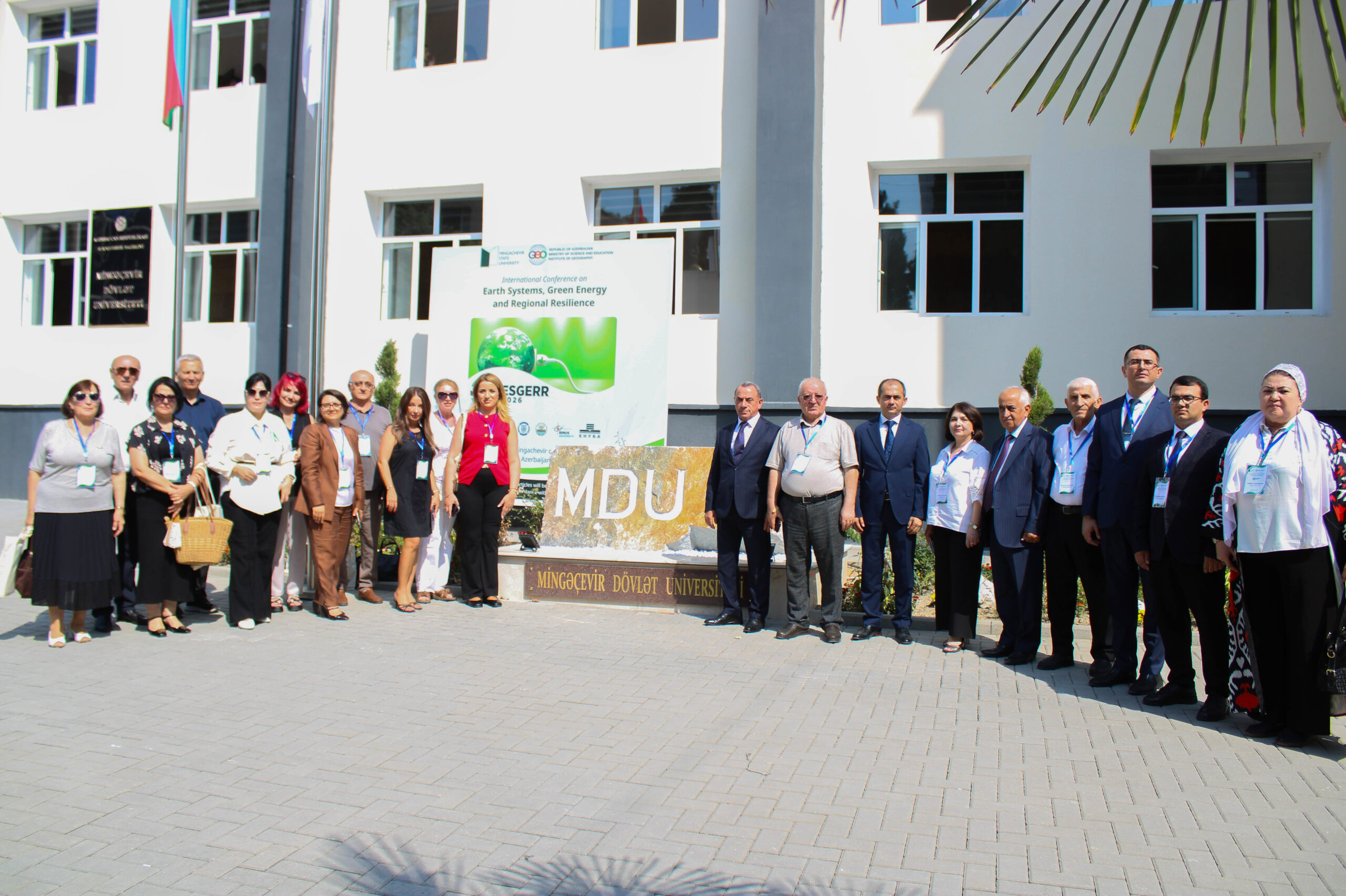
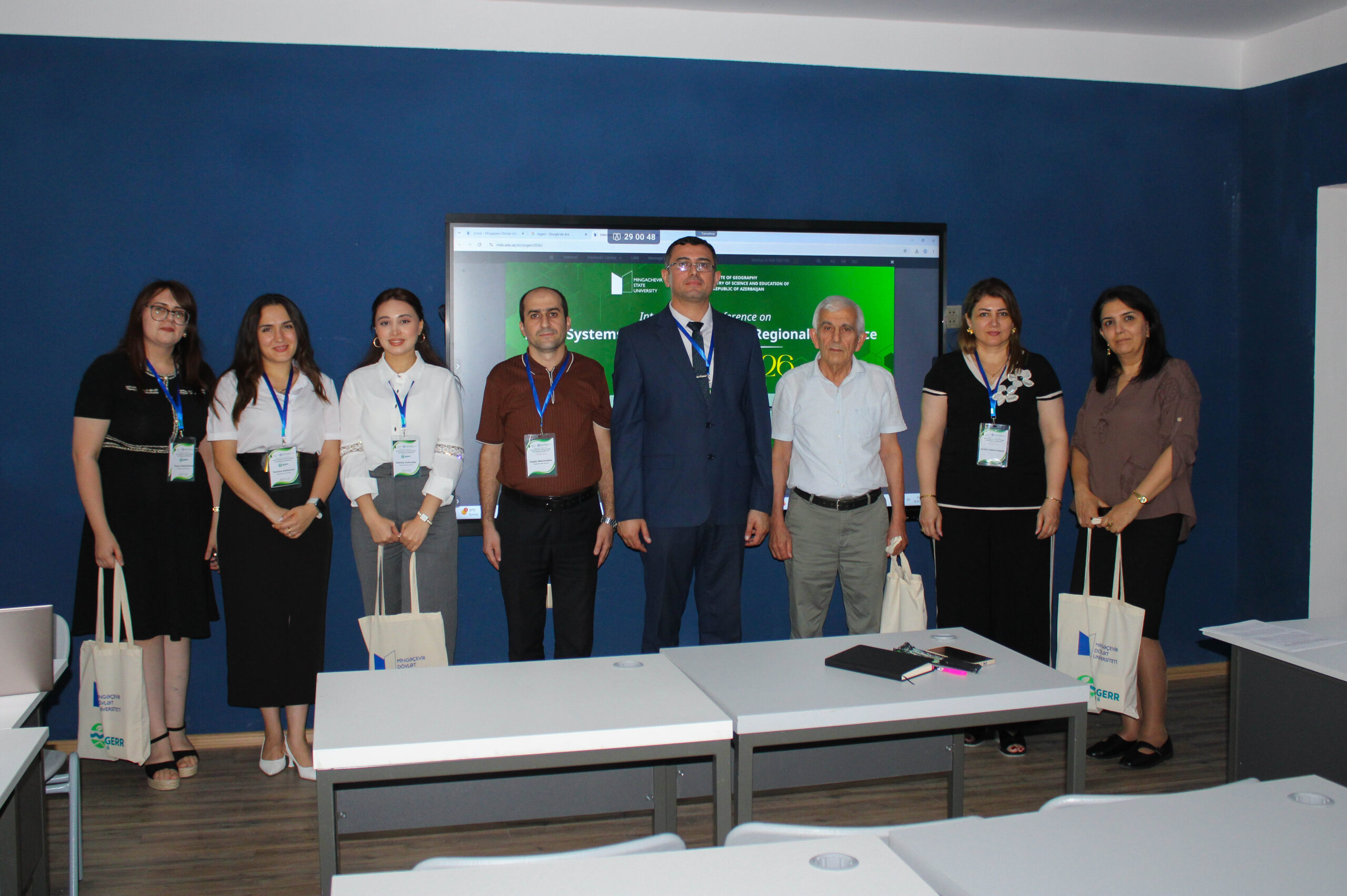


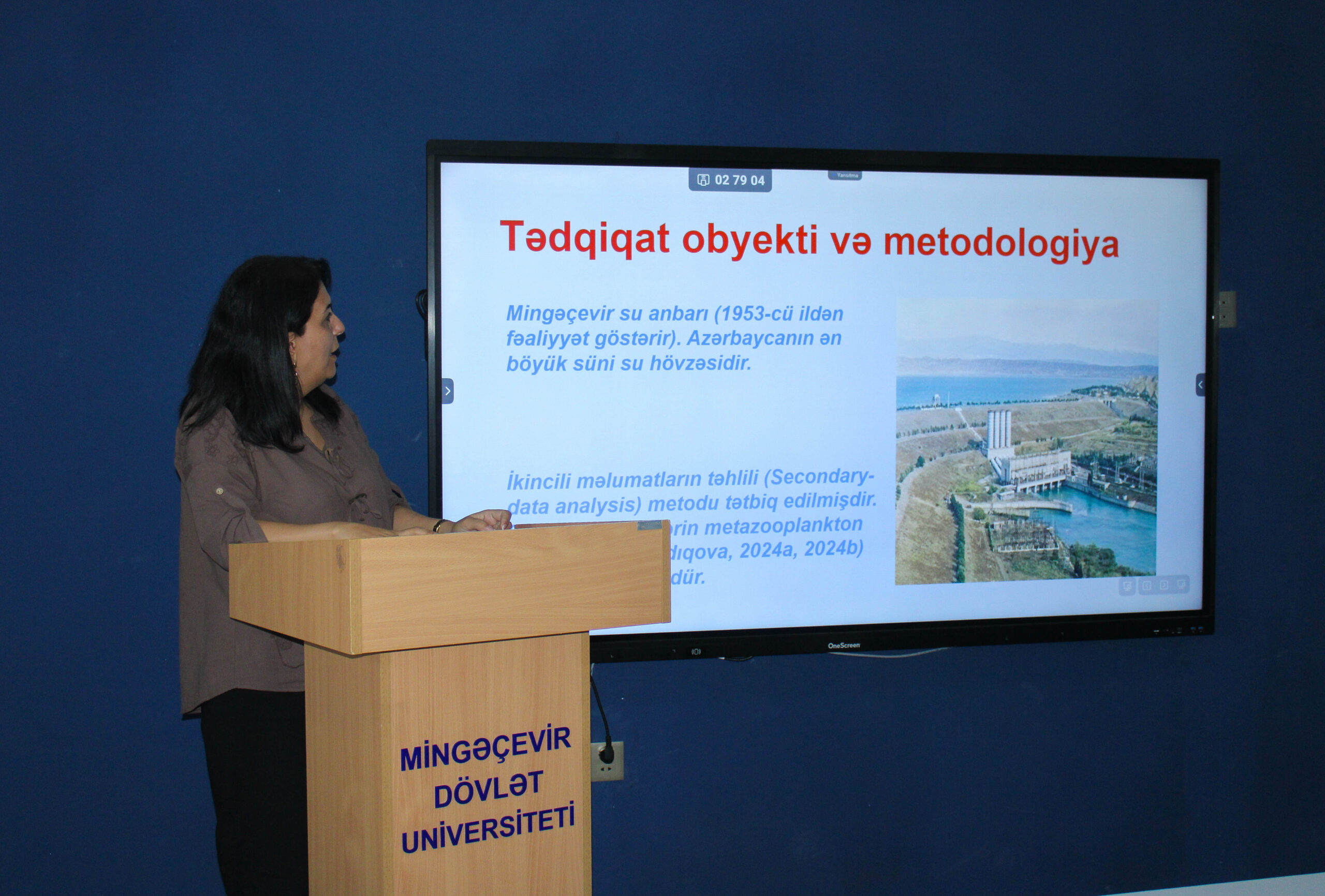
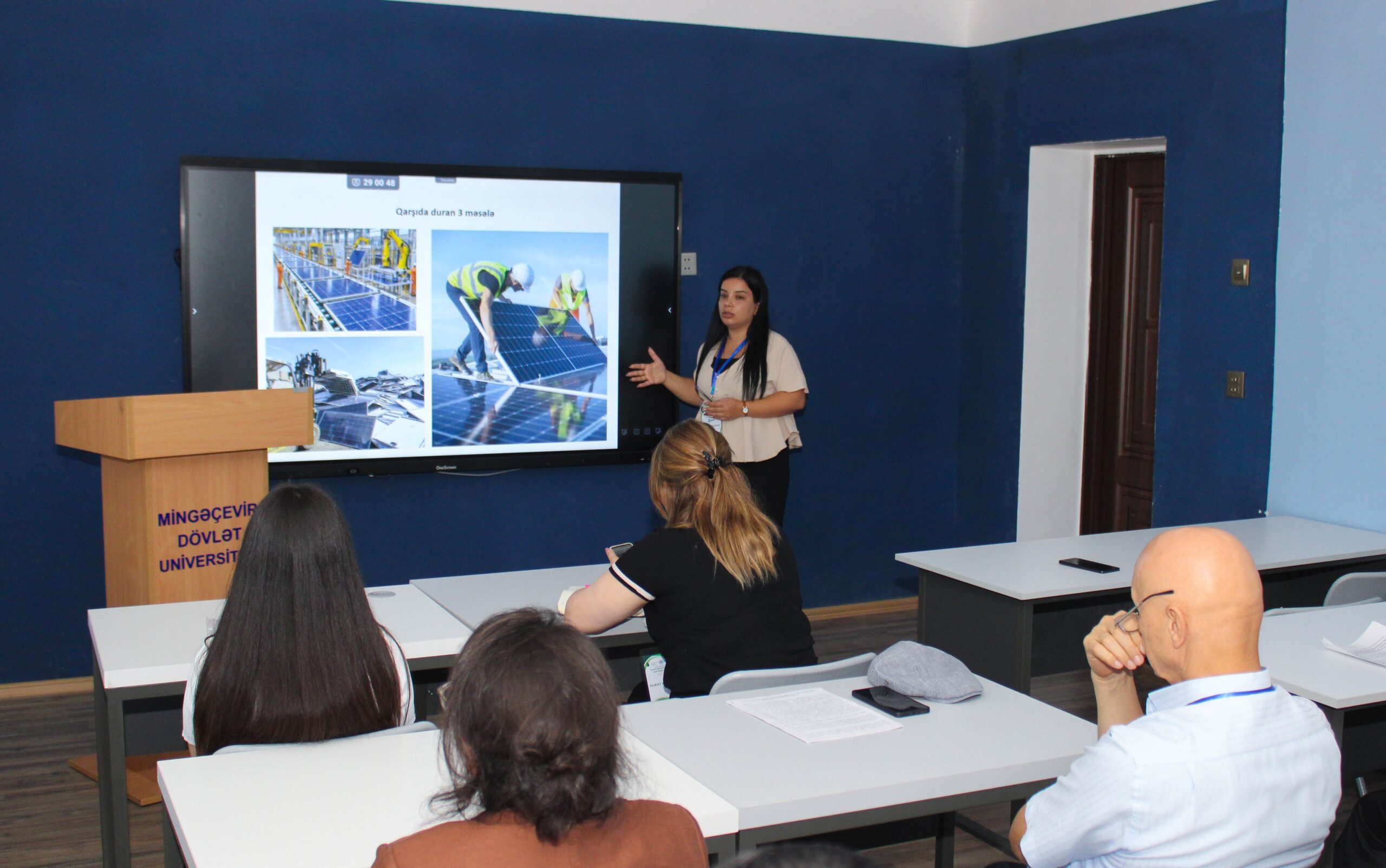
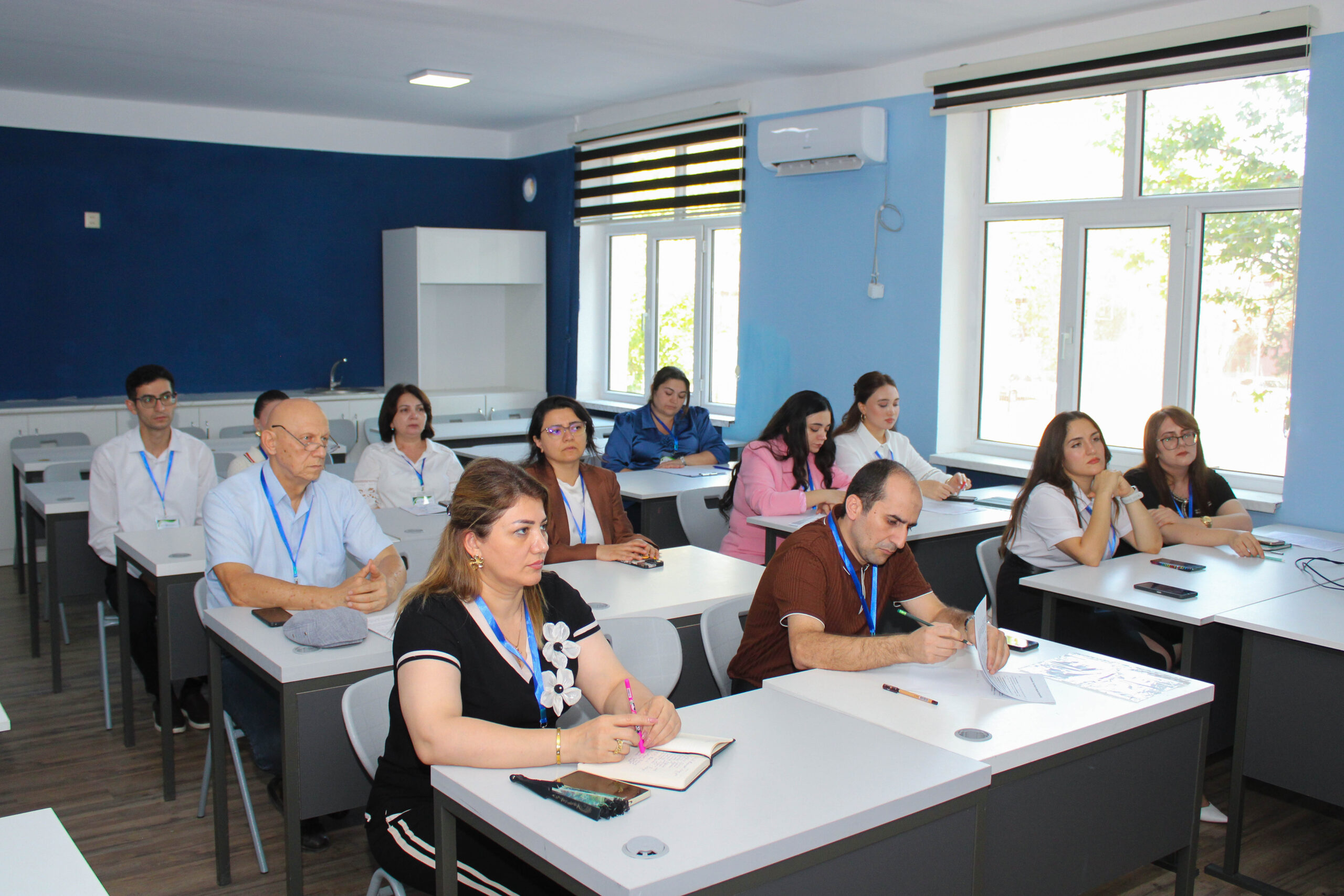
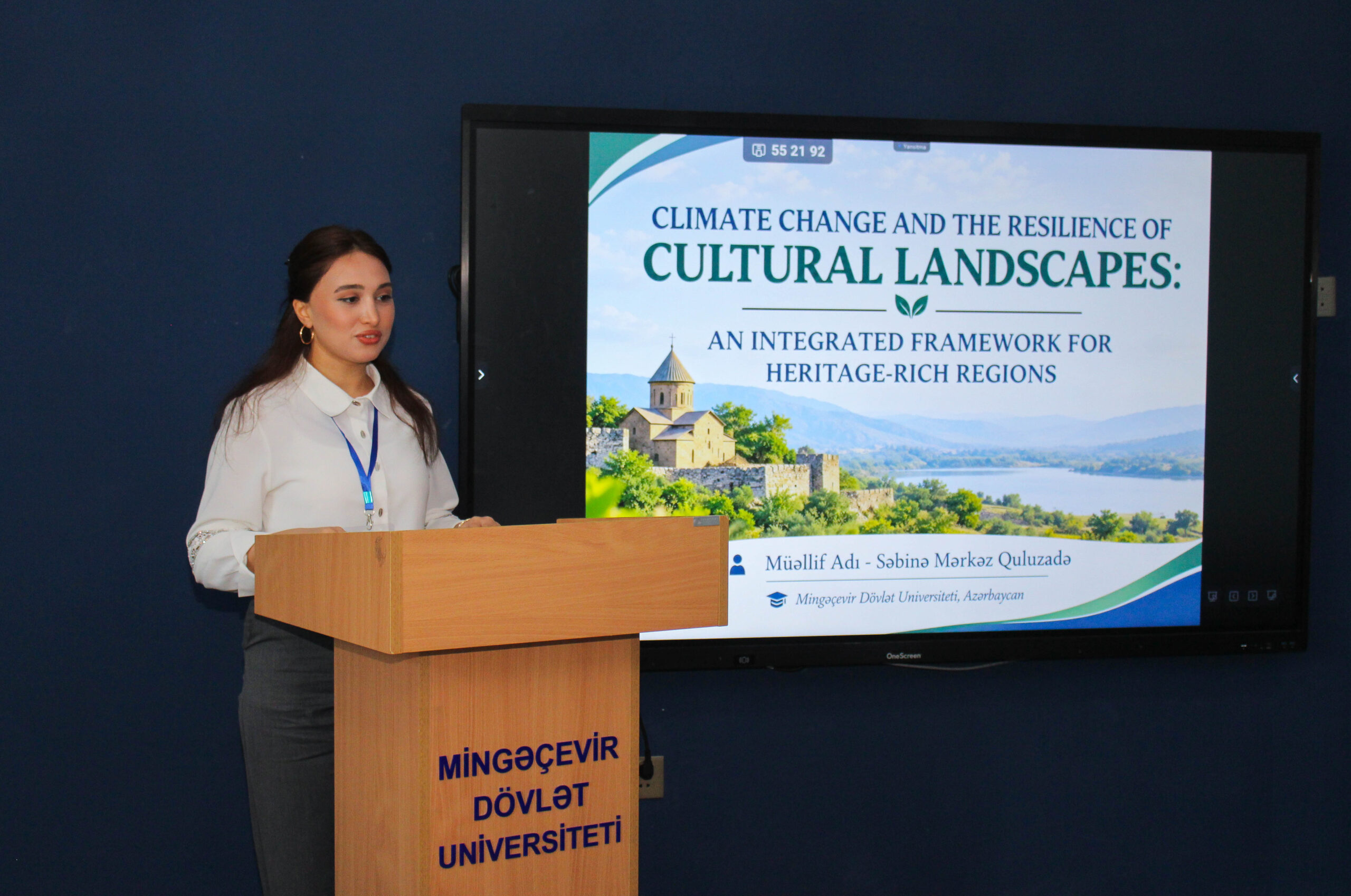
The “ESGERR – Earth Systems, Green Energy and Regional Resilience” international scientific conference, held at Mingachevir State University (MSU) on September 24–25, 2026, continued with panel and parallel sessions.
The panel sessions featured research on climate education, tourism, coastal ecosystems, the green economy, and Azerbaijan’s natural energy potential.
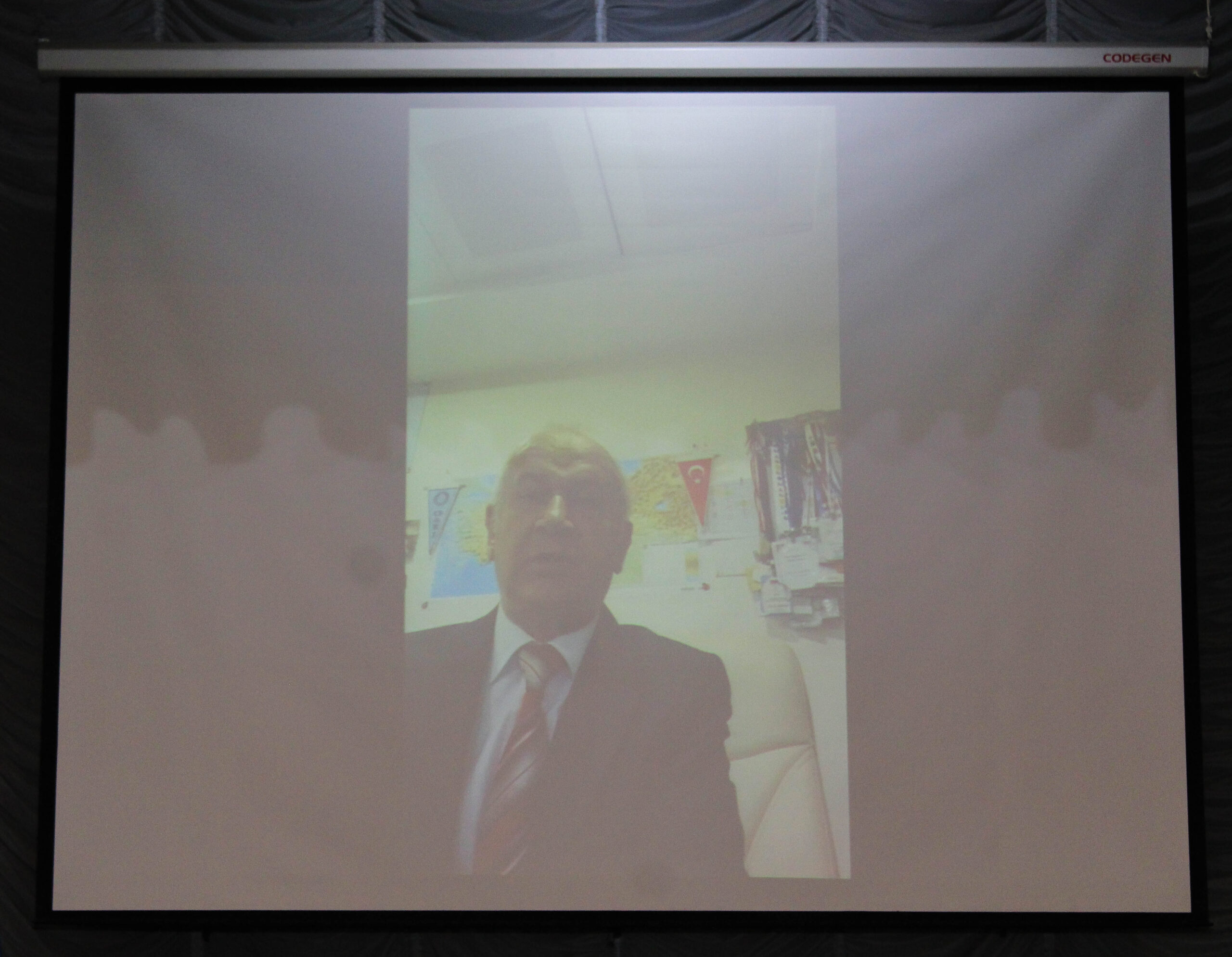
Professor Salih Şahin of Gazi University in Türkiye joined the conference via video link and delivered a presentation titled “Designing AI-Supported Virtual Fieldwork for Climate Change Education: A Pedagogical Framework and Sample Activities.” He noted that virtual fieldwork offers opportunities to study climate processes visually and develop students’ analytical skills.
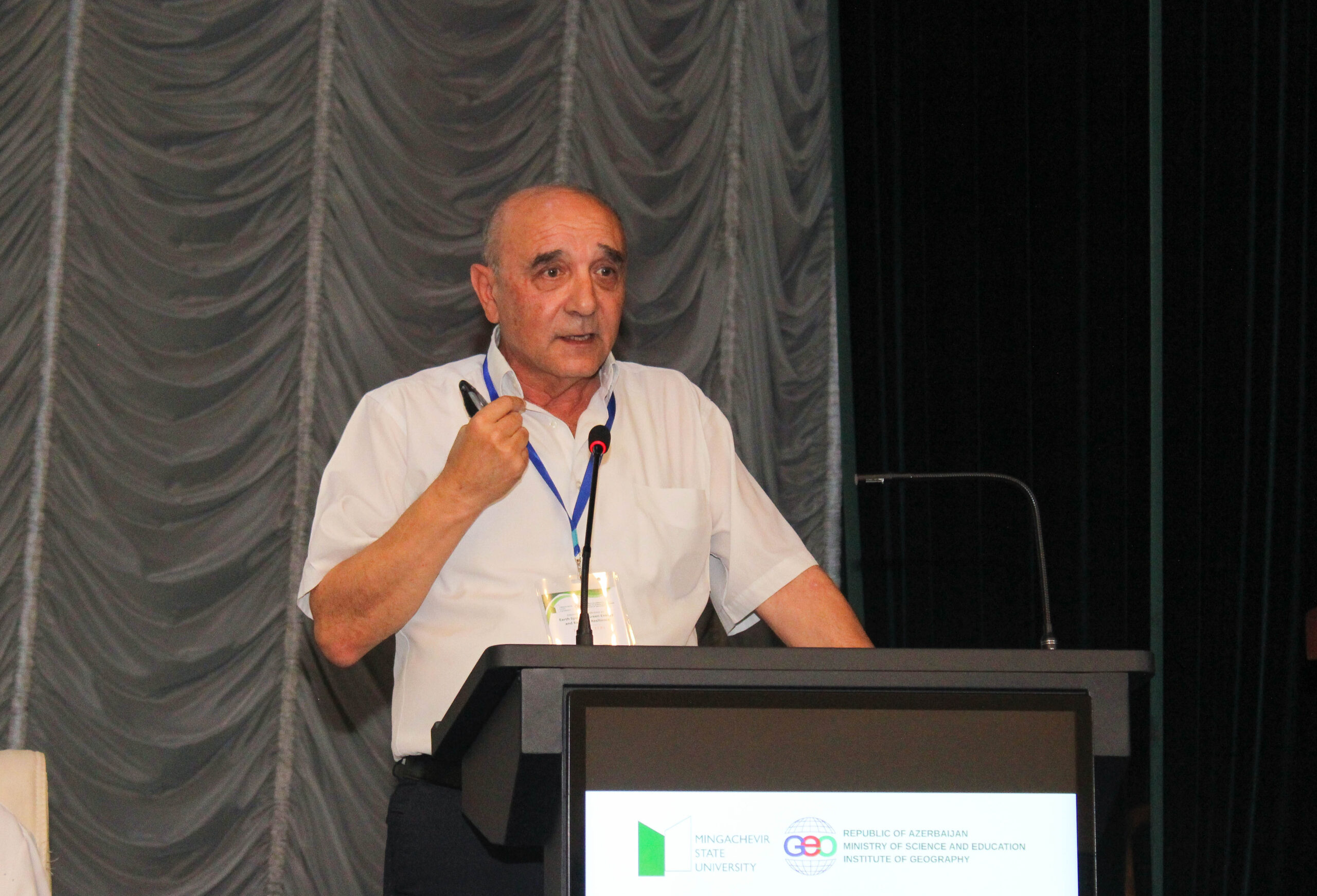
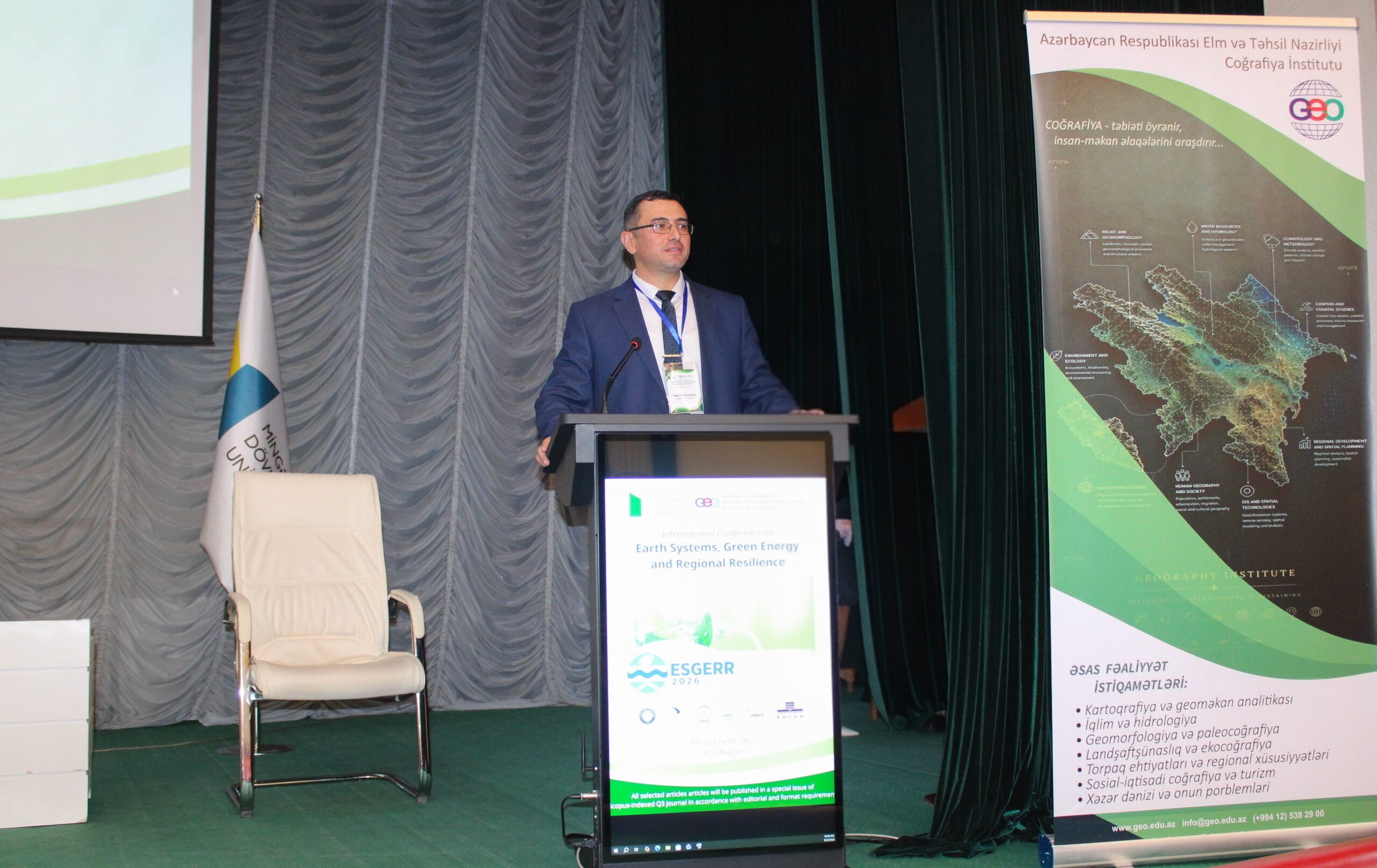
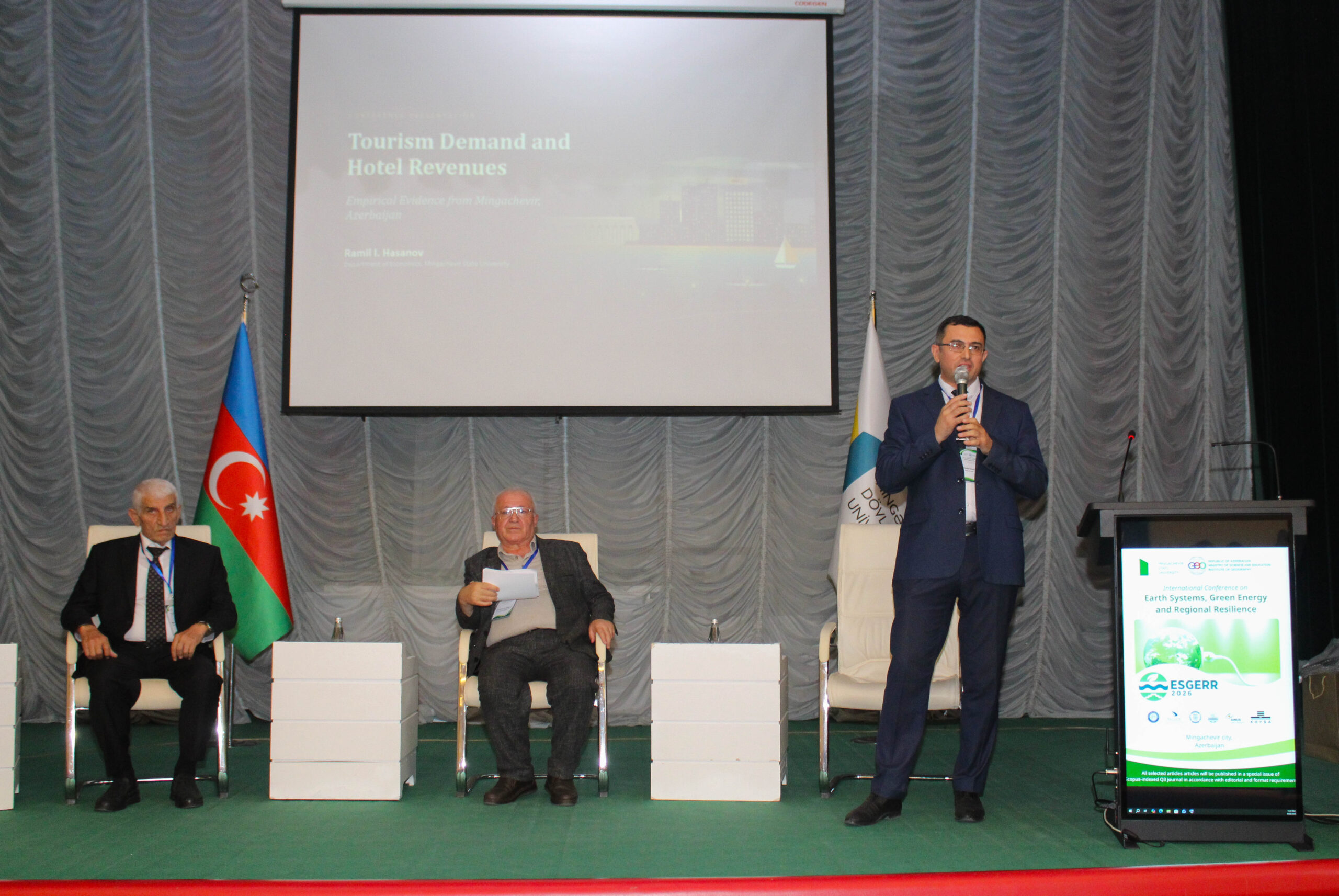
Ramil Həsənov, Head of MSU’s Department of Scientific Research and Innovation, presented “Tourism Demand and Hotel Revenues: Empirical Evidence from Mingachevir.” He discussed the relationship between tourist flows and accommodation sector revenues, as well as the importance of data-driven decisions for regional development.
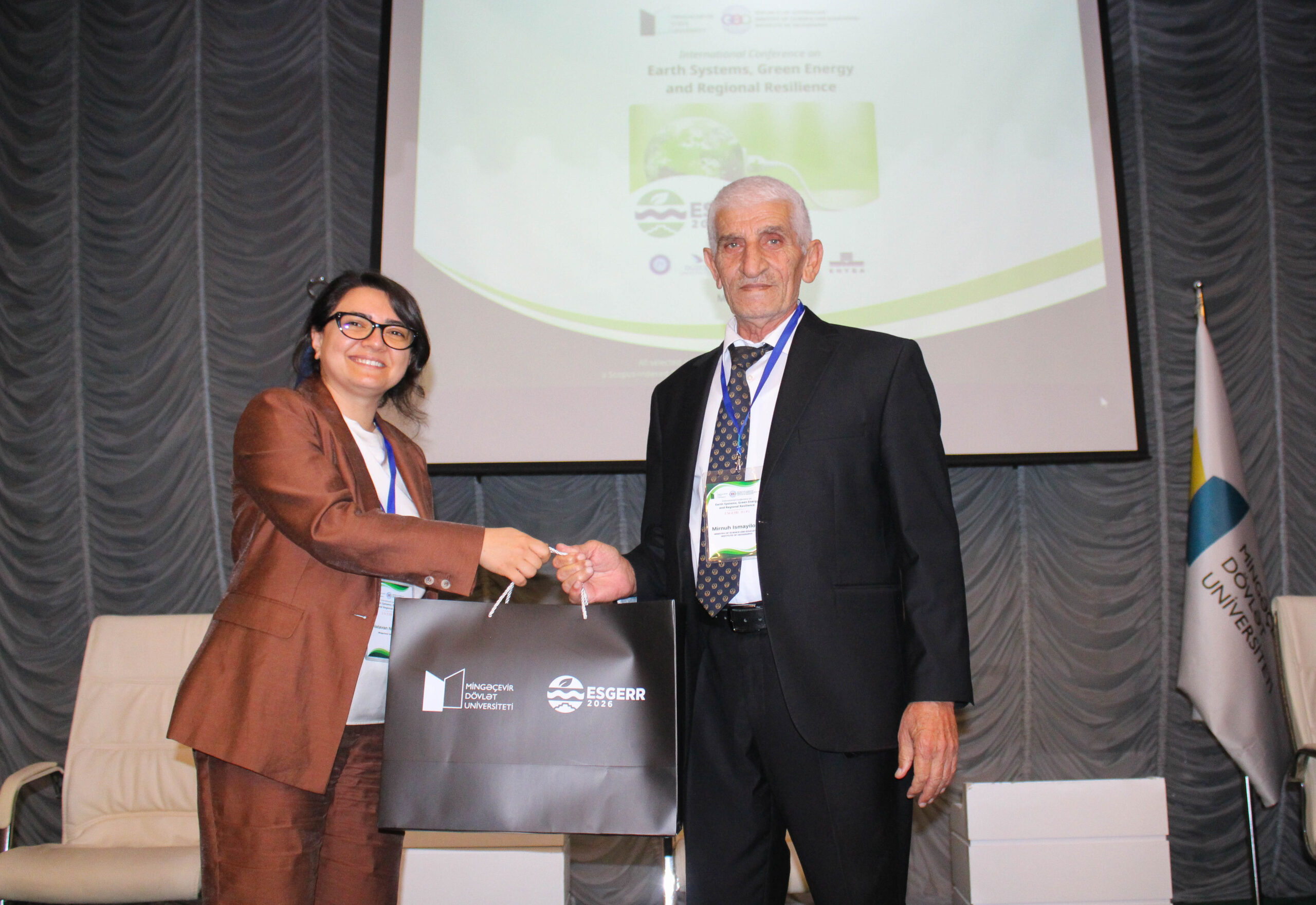
Minruh İsmayılov, a researcher at the Institute of Geography under the Ministry of Science and Education of the Republic of Azerbaijan, presented his research titled “Features of the Formation and Dynamics of Landscape-Ecological Conditions of the Caspian Sea Coastal Geosystems: A Case Study of the Samur-Davachi Lowland.” He emphasized the importance of monitoring natural and human impacts on coastal areas to support ecological resilience.
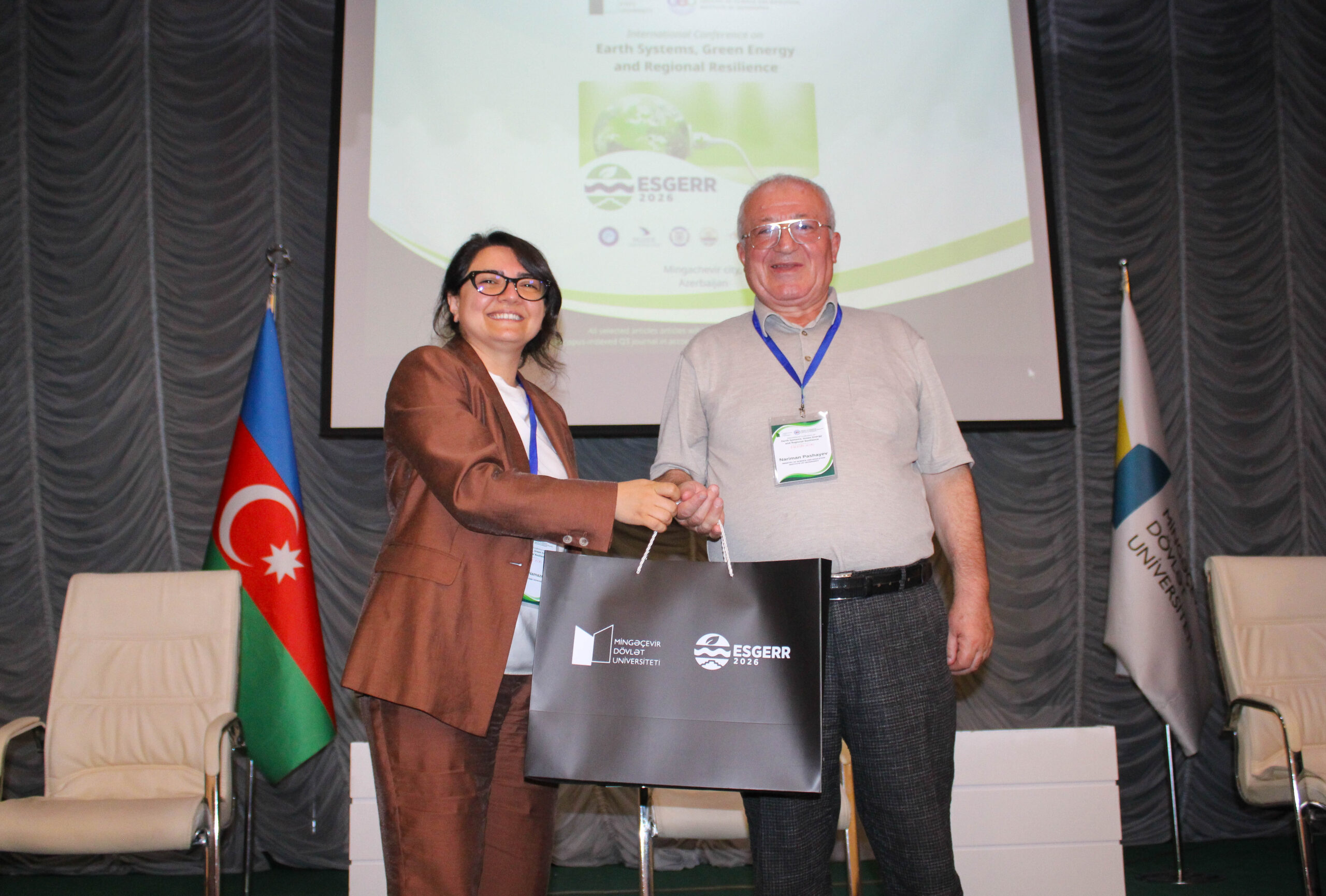
Nəriman Paşayev, also a researcher at the Institute, spoke on “The Role and Development Priorities of the Territorial Organization of Mingachevir Industrial Park in a Green Economy,” addressing resource efficiency and environmental responsibility in industrial activity. Another researcher at the Institute, Azad Kərimov, presented “The Impact of Hydrothermal Factors on Radiation Energy Resources and Potential Biomass Productivity in Azerbaijan.” He discussed the role of temperature and humidity in assessing natural energy resources.
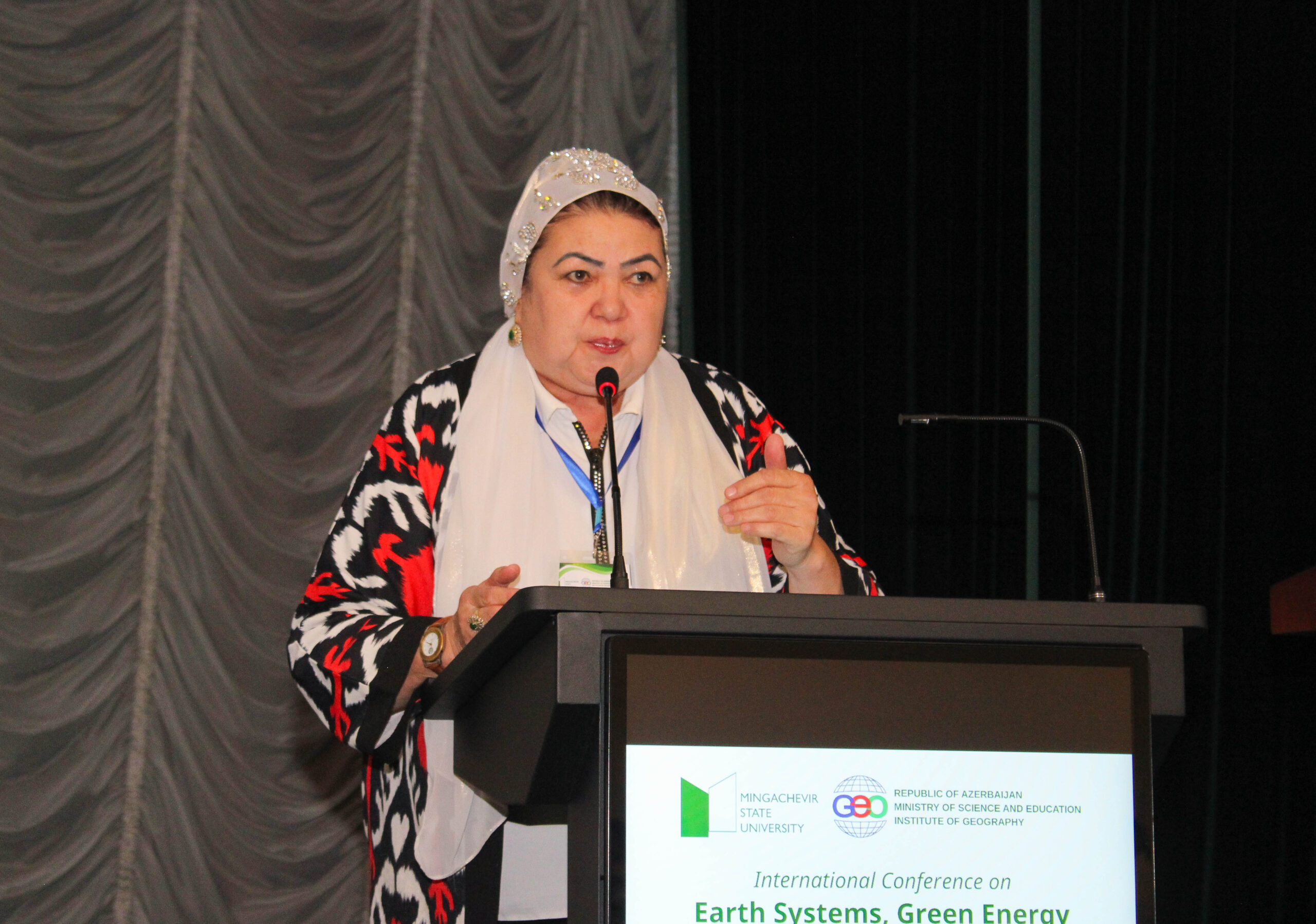
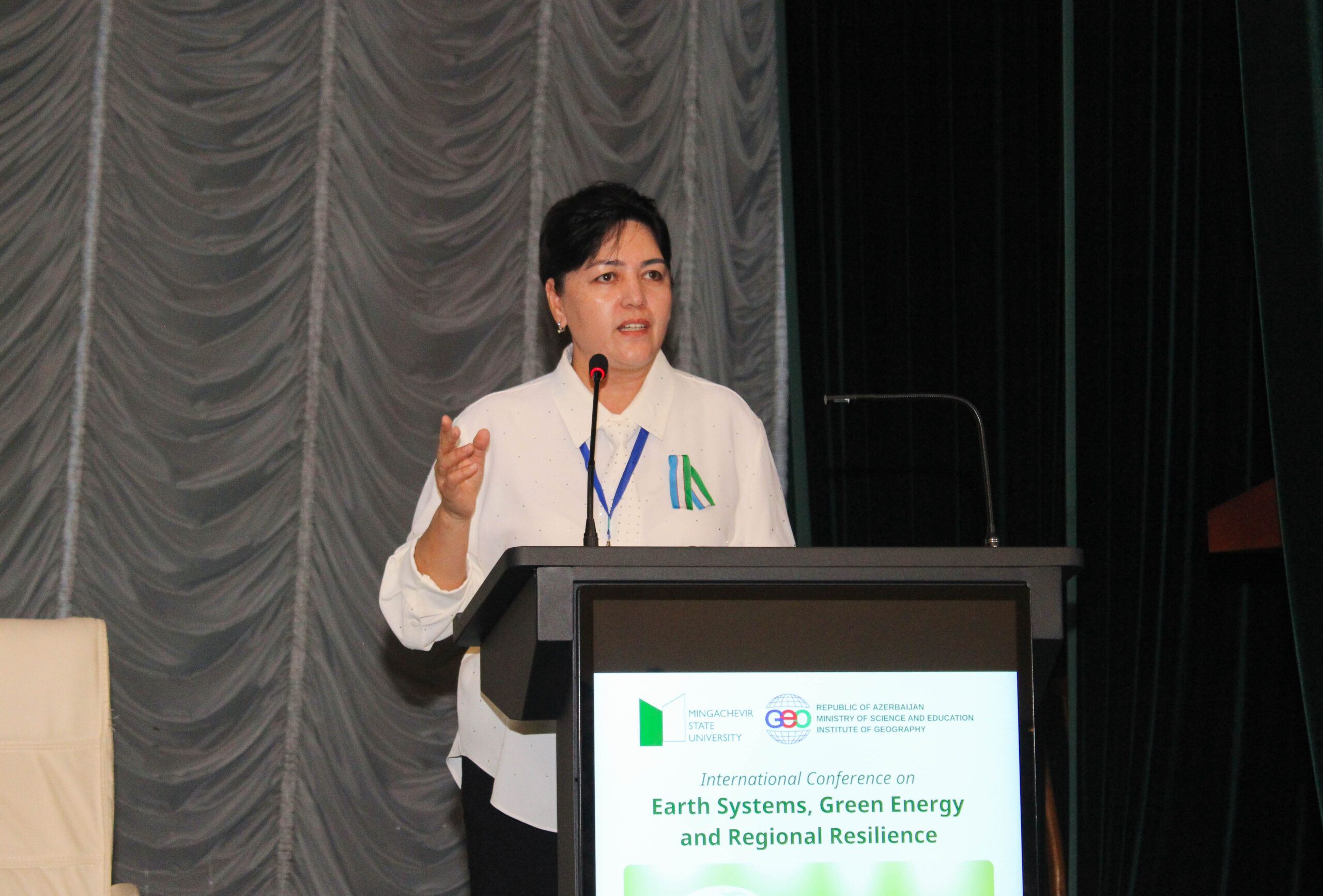
Researchers Tanzila Majidova and Dilbar Yarmatova of Sharof Rashidov Samarkand State University in Uzbekistan also delivered presentations during the panel session. In her presentation, “Modern Environmental Challenges and Climate Change: Towards Sustainable Ecosystems,” Tanzila Majidova highlighted the effects of climate change on water resources, soil, and biodiversity, emphasizing the importance of environmental education and adaptation measures. Dilbar Yarmatova, in her presentation titled “Environmental Consequences of Climate Change and Prospects for Sustainable Development,” discussed the social and economic impacts of environmental change, responsible resource use, and the importance of international scientific cooperation.
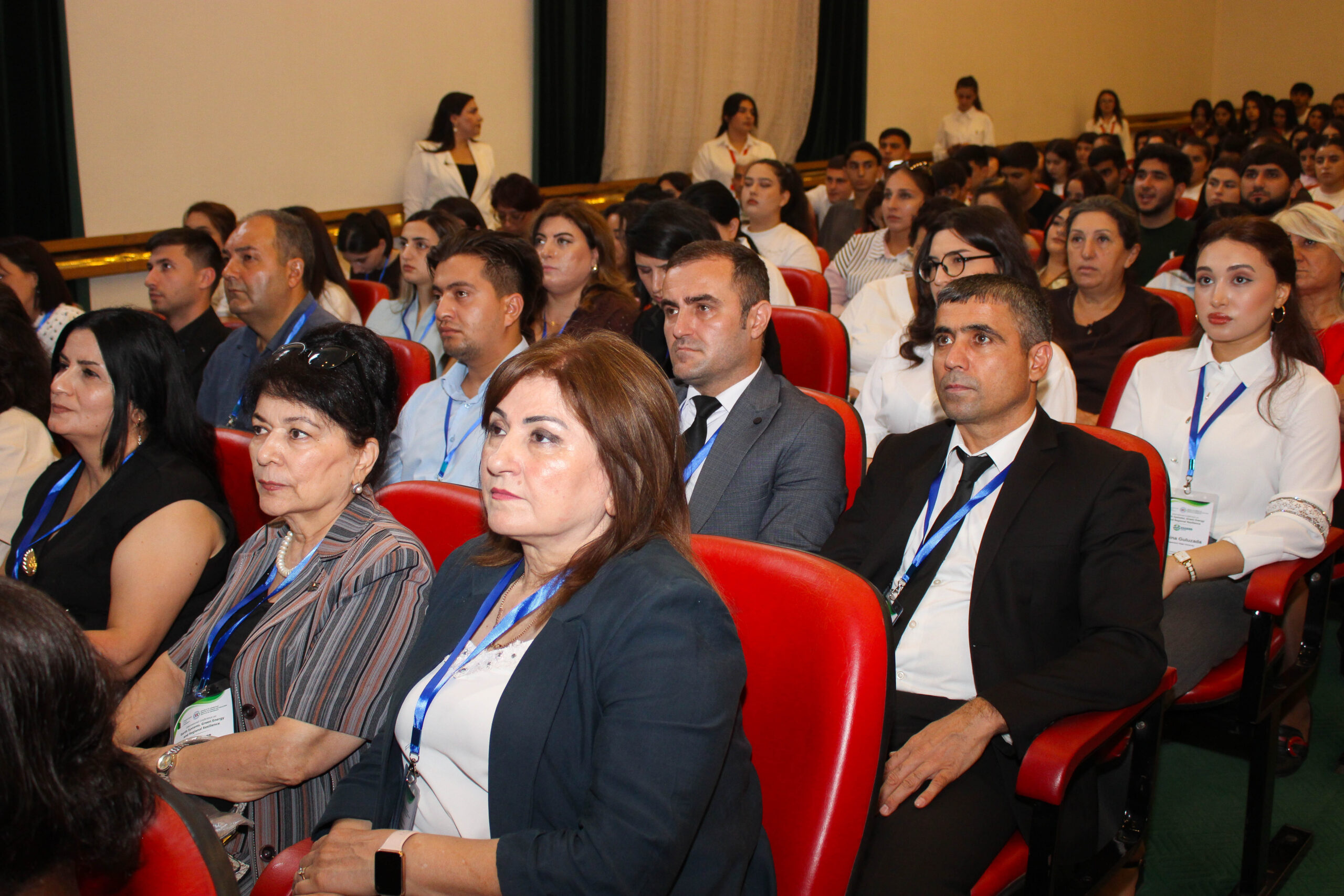
Following the presentations, participants’ questions were answered, and the research presented was discussed.
The conference accepted 105 articles and abstracts from five countries. Discussions of these submissions, organized according to the conference’s scientific themes, continued in parallel sessions held both in person and online. Participants shared their research findings and engaged in discussions on the respective topics.
The two-day ESGERR international scientific conference concluded successfully. It provided a platform for sharing research findings on Earth systems, green energy, and regional resilience, exchanging ideas among researchers, and discussing opportunities for new collaboration. At the conclusion of the conference, participants were presented with certificates and gifts.